





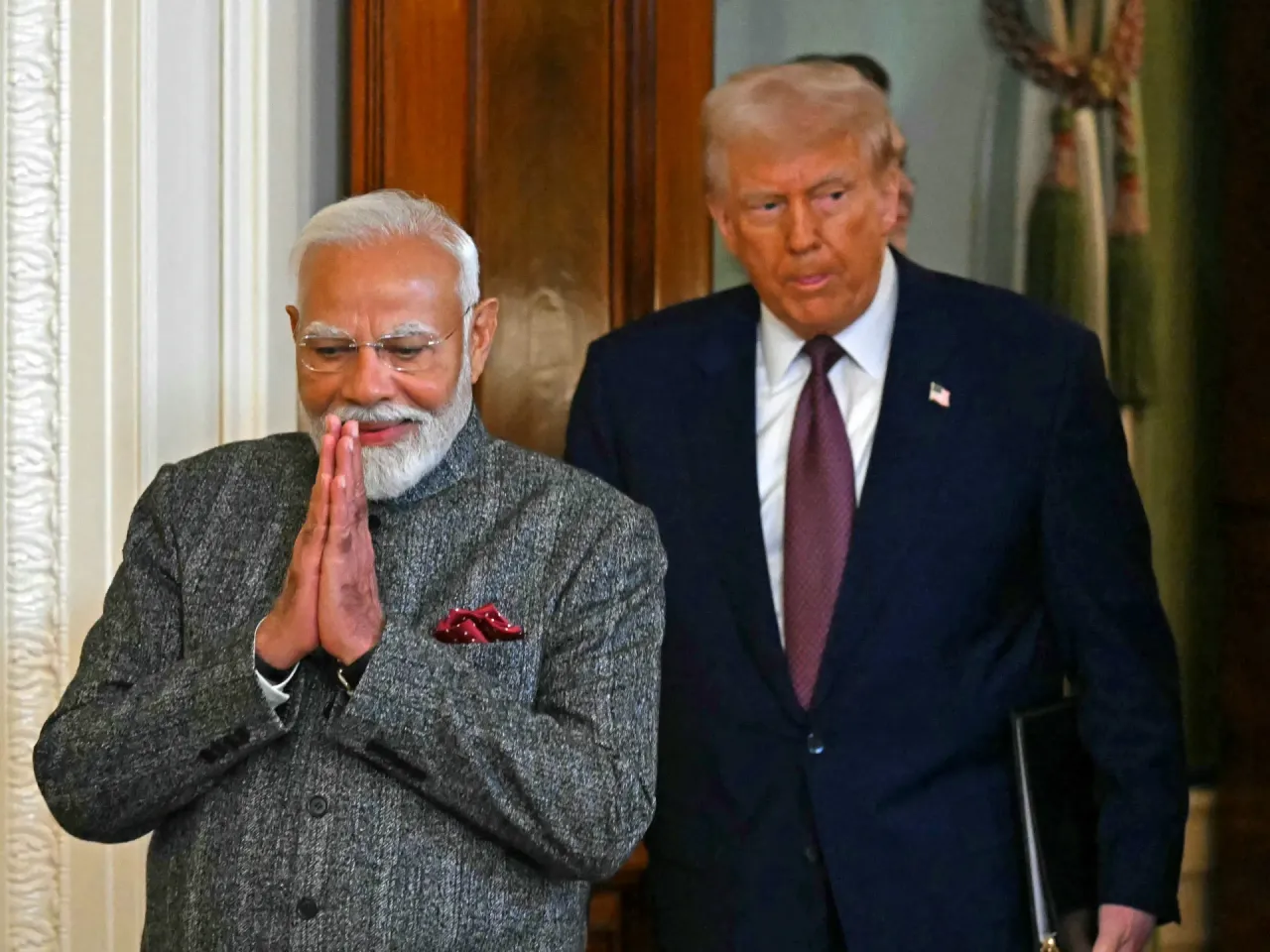
From “Abki Baar Trump Sarkaar” to Open Criticism: Why New Delhi May Quietly Root Against Trump in the Midterms
India-US relations under Trump have travelled a long way from a packed Houston stadium in 2019. Back then, Prime Minister Narendra Modi stood beside Donald Trump before more than 50,000 Indian Americans and showered him with compliments, even adapting his own campaign slogan to wish for a Trump government. Seven years on, with Trump heading into midterm elections that could cost him control of Congress, Indian officials are criticising his administration in public with a bluntness they usually reserve for adversaries. Many analysts believe New Delhi would not mind seeing the president humbled at the polls.
A Friendship That Once Seemed Natural
India has historically enjoyed support across the American political spectrum, but its strategic class has often felt more at ease with Republican presidents. The pattern has deep roots:
Under Ronald Reagan, as the Cold War faded, Washington and New Delhi began repairing a relationship strained by India’s closeness to Moscow.
Under George W. Bush, the two countries signed a landmark civil nuclear agreement between 2006 and 2008, granting India access to global nuclear technology despite its refusal to join the Non-Proliferation Treaty. Major military cooperation pacts followed.
Democratic administrations, by contrast, have been viewed in New Delhi as more inclined to lecture India on human rights.
Trump’s first term appeared to extend the Republican tradition. The personal chemistry with Modi was on constant display, and the prime minister went so far as to call Trump the best friend India had ever had in the White House.
Trump’s Second Term Changes Everything
Since returning to office in 2025, Trump has presided over what Indian observers describe as an unbroken sequence of crises in the relationship. The grievances include:
Steep tariffs that placed India among the most heavily penalised countries, followed by a new 10 percent global levy after the Supreme Court struck down the original measures in February.
A trade deal that has gone nowhere, with Finance Minister Nirmala Sitharaman saying negotiations had reached a point where further concessions on either side seem impossible.
Pressure on India to stop purchasing Russian oil, backed by a law allowing tariffs of up to 100 percent on countries that do.
Trump’s repeated insistence that he brokered an India-Pakistan ceasefire in 2025, a claim New Delhi flatly denies.
Warmer US ties with Pakistan despite India’s long-standing concerns about terrorism.
Higher fees for H-1B skilled worker visas and a sweeping immigration crackdown that saw undocumented Indians deported in shackles, images that provoked fury at home.
Any one of these would have tested the relationship. Together, they have transformed it.
Breaking With Quiet Diplomacy
India’s habit with friendly governments is to raise disagreements privately. That restraint has frayed. Speaking in New York last month, External Affairs Minister S. Jaishankar delivered an unusually direct assessment: the Trump administration has been insensitive to India’s terrorism concerns, has cosied up to Pakistan, and has pursued trade policies so self-absorbed that they inflict damage on the Global South without apparent thought. Countries, he argued, cannot simply act in their own bubble and then claim they never intended to cause harm.
Milan Vaishnav, who directs the South Asia programme at the Carnegie Endowment for International Peace, says India can live with policy disagreements. What has cut deeper is the hostility toward Indians and Indian Americans from the administration and its media allies. MAGA-aligned voices have increasingly used racist tropes and accused Indians of taking American jobs, and anti-Indian content on US social media has reached unprecedented levels. Even so, Vaishnav credits the Modi government with notable restraint in its response.
Rubio’s Reassurances Fall Flat
Secretary of State Marco Rubio visited Mumbai this week but notably bypassed New Delhi. In an interview with The Indian Express, he insisted the tariffs were never designed to hurt India and explained that Trump had paused the Russian oil penalty precisely because he recognised the damage it would do to a vital partnership.
Rubio framed the problem as a by-product of the Ukraine war rather than hostility toward India. But he also acknowledged that balancing those pressures would remain difficult, leaving open the possibility that punitive measures could return.
Praveen Donthi of the International Crisis Group draws a more sweeping conclusion. The bipartisan consensus on India in Washington, he argues, appears to have collapsed, and the sentiment extends beyond Trump personally into the broader American establishment. The result, in his view, is the return of a distrust toward the United States among Indian strategists that had largely faded since the Cold War.
Would a Weakened Trump Help India?
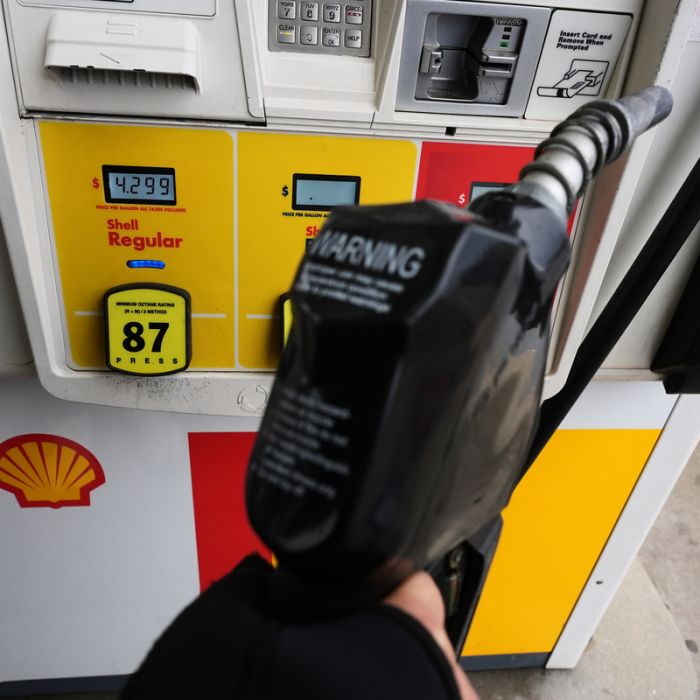
The midterms arrive at a difficult moment for the president. His approval ratings are the lowest of his career, dragged down by record gasoline prices stemming from the energy shock of the US-Israel war on Iran that began in February. Losing Congress would hand Democrats the power to investigate and obstruct his agenda for his final two years.
Vaishnav believes a chastened Trump would serve India’s interests. He points out that many lawmakers from both parties are angry about how the administration has handled the relationship and remain committed to a strong partnership, whatever their reservations about Indian politics. A Democratic Congress, he suggests, could moderate the White House’s foreign policy.
Michael Kugelman, a Washington-based South Asia analyst, is less convinced. Trump cannot run again, Kugelman notes, and will keep pursuing whatever he judges best for US economic interests regardless of electoral setbacks. If that means more tariff threats against India, he will make them.
Donthi offers a sobering middle view. New Delhi may hope for a more patient American approach once Trump leaves office, but a weakened president may not bring relief in the meantime, because pressure on India appears to enjoy wider backing among Trump-aligned Republicans.
The Smiles Are Gone
The distance travelled is captured in a single contrast. Two years ago, shortly after Trump’s 2024 victory, Jaishankar told an audience with a broad smile that while many countries were nervous about the United States, India was not among them.
Today, the nervousness has arrived. India’s leaders are no longer cheering for Trump. Whether they are quietly hoping for his defeat, or simply bracing for whatever comes next, the warmth of that Houston evening belongs to a different era.
Author