





France Deploys 70,000 Police for Halloween Protests as Debt Crisis Ties Macron’s Hands
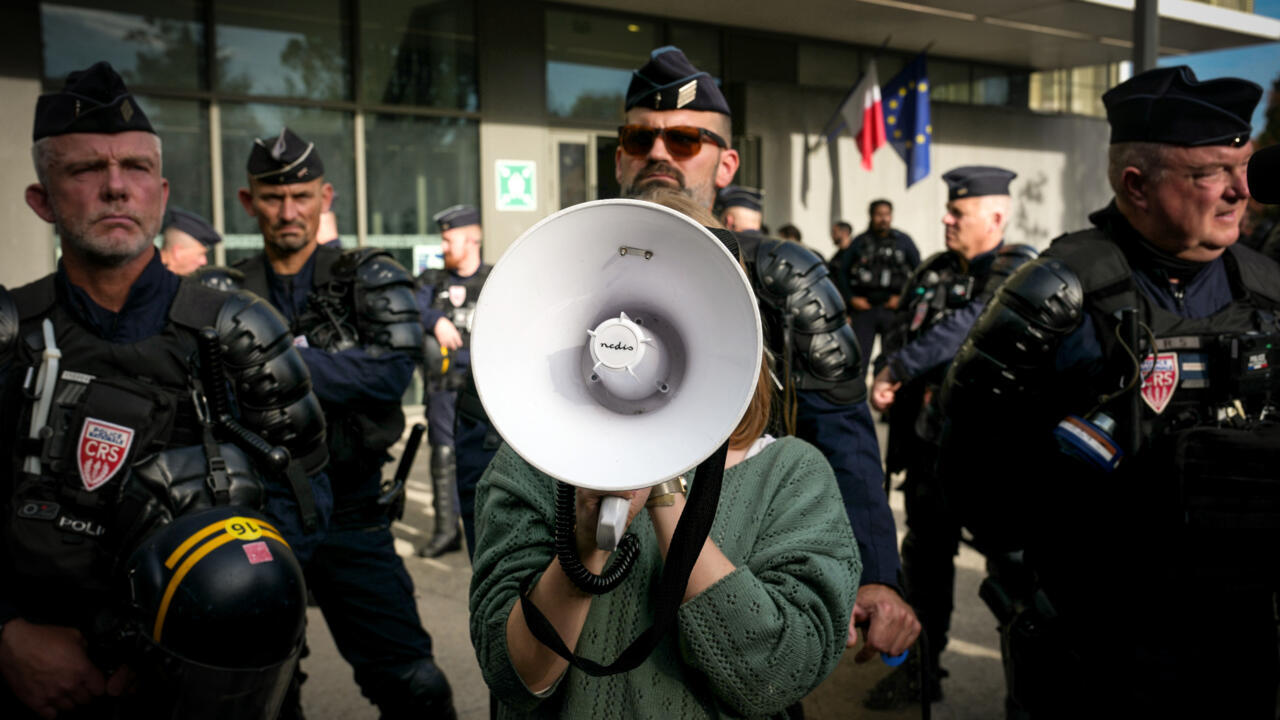
The France protests Halloween weekend has become a test of whether the state can contain anger it has little money to address. Seventy thousand police officers fanned out across the country on Saturday as a third week of nationwide demonstrations unfolded, fuelled by frustration over the cost of living, crumbling public services, and President Emmanuel Macron’s government. Two weeks after riots and looting overwhelmed security forces and left shattered storefronts in cities from north to south, the interior minister promised that this time the response would be unyielding.
Lessons From a Night of Looting
The last major mobilisation caught authorities unprepared. Rioters smashed shop windows, ransacked public buildings, and damaged businesses across multiple cities while police struggled to regain control. Interior Minister Laurent Nunez has made clear that scenario will not be allowed to repeat.
At a press conference earlier in the week, he described Saturday as carrying an extremely elevated risk of disorder and said every available resource had been mobilised to deliver a firm reaction to any trouble.
The timing adds a complication. With the protests falling on Halloween, officials worry that demonstrators could use costume masks to hide their faces. Nunez pointed out that existing law already permits police to prohibit face coverings when public order is threatened.
Paris March Rerouted
France’s highest administrative court ruled on Saturday that a planned march between the symbolic Paris squares of République and Bastille would remain banned, dismissing a legal challenge from trade unions. Protesters were instead directed to boulevards on the eastern edge of the capital, well away from the central shopping districts that suffered most in earlier violence.
Roughly 150 gatherings were scheduled nationwide, according to the interior ministry. The US Embassy urged American travellers to steer clear of any area where crowds were expected.
Who Is Protesting, and Why
The movement began gathering momentum in late September when Macron’s minority government opened negotiations on the 2027 budget. Its roots are varied but increasingly intertwined:
Students angry about dilapidated school buildings, overcrowded classrooms, and a university admissions process widely regarded as unfair.
Trade unions pressing for wage protection and investment in public services.
A revived Yellow Vest movement demanding relief from rising living costs, echoing the uprising that shook Macron’s first term.
Fifteen-year-old Aaron Berthier de Grandry, a high school student from the Paris suburb of Nogent-sur-Marne, planned to join his third consecutive weekend of demonstrations. He recalled being told as a child that young people represented the country’s future, and argued that if that future is denied resources, the nation itself will eventually fall apart.
A Government Without Room to Spend
The protesters’ demands collide with a brutal fiscal reality. France’s public debt is nearing 120 percent of economic output, and the premium investors charge to hold French bonds has climbed to levels last seen during the eurozone sovereign crisis. The government is under heavy pressure from markets and European partners to cut spending, not expand it.
That squeeze explains why gestures aimed at calming the streets have fallen flat. Promises of education reform and measures to ease fuel costs have done little to quiet the discontent, because they lack the scale that a well-funded response might offer.
The Movement Spreads Beyond France
French youth have become a model for protesters elsewhere. Demonstrations were planned in more than 30 German cities on Saturday, with organisers expecting large turnouts in a wave of Gen Z-led rallies. The shared grievances, including housing costs, precarious work, and a sense that political systems ignore the young, have travelled easily across borders.
Economic Damage Mounts
The unrest is hitting an economy already in trouble. Figures released on Friday showed French output contracted in the third quarter, driven by a slump in exports. The protests threaten to deepen that weakness.
The Chamber of Commerce estimates retailers have lost more than 1 billion euros, and other assessments double that figure once uninsured damage and forgone sales are counted. Along the capital’s premier shopping boulevards, Christmas lights have been switched on early, illuminating boarded-up windows and steel shutters. Luxury houses including Hermès, Louis Vuitton, and Burberry were among the brands whose stores were targeted in earlier rioting, and shopkeepers are bracing for a bleak festive season.
Political Winners and Losers
The chaos has strengthened Marine Le Pen, whose far-right party leads opinion polls ahead of April’s presidential election and who launched her campaign as the nation reeled from the first wave of rioting. Centrist figures hoping to succeed Macron remain divided among themselves, increasing the odds of a runoff between Le Pen and the far-left leader Jean-Luc Mélenchon.
For Macron, the protests are a reminder of how the Yellow Vest crisis defined his early presidency, now returning at its close.
A Controversial Crackdown
Alongside the police deployment, the government is advancing legislation that would make rioters liable for up to 10,000 euros in damages, including destruction caused by groups they are judged to belong to rather than acts they personally committed. Rights organisations and a number of lawyers warn that the collective liability provision could chill legitimate peaceful protest by exposing participants to financial ruin for the actions of others.
Supporters argue it is a necessary deterrent after two weeks in which the cost of destruction fell on shopkeepers and taxpayers.
What Saturday Will Reveal
The day will show whether a massive security presence can hold the line, whether Halloween masks become a flashpoint, and whether the movement sustains its momentum into a fourth week. What it will not resolve is the underlying contradiction: a population demanding more from a state that is running out of ways to pay for it.
Author