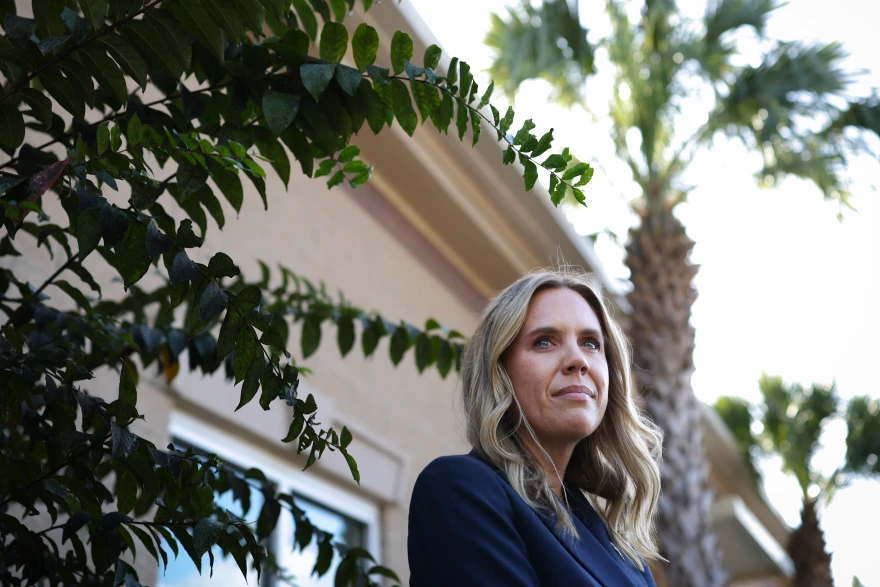
Annie Andrews South Carolina Senate victory ranks among the most remarkable results of the 2026 midterms. The pediatrician and first-time federal candidate defeated Republican Darline Graham to become the first Democrat to represent the state in the upper chamber since 1998, and the first woman South Carolina has ever sent to the Senate.
An Unlikely Path to Victory
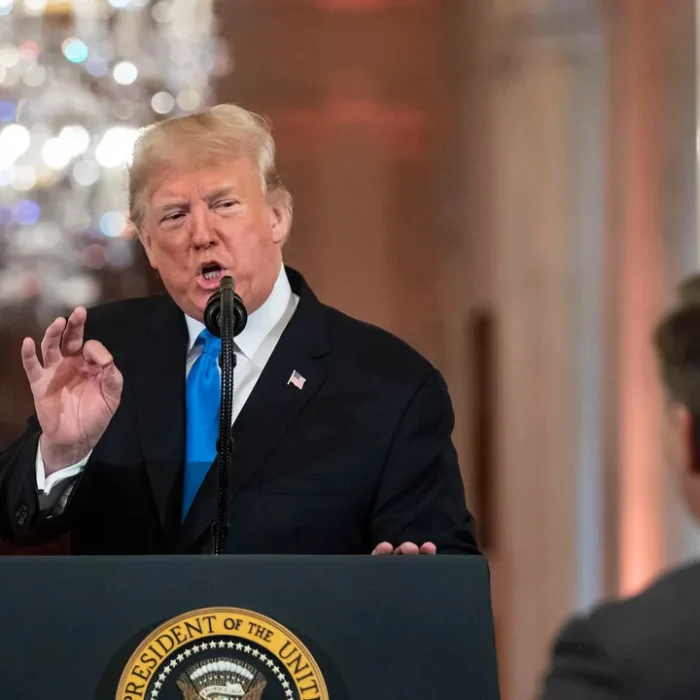
Andrews entered the race as a decided underdog. South Carolina has been reliably Republican for decades, and her opponent carried one of the most recognisable surnames in state politics. Graham, 62, was appointed by the governor to fill the seat after her brother, longtime Senator Lindsey Graham, died in July at the age of 71. Donald Trump publicly encouraged her to seek a full term and campaigned energetically on her behalf.
Yet the contest tightened dramatically in its final weeks. A New York Times/Siena poll conducted the week before the election showed the candidates deadlocked at 48 percent each, an extraordinary position for a Democrat in the state.
Healthcare at the Centre
Andrews built her campaign around the cost of healthcare, drawing on her background as a children’s doctor to argue that families across South Carolina were being priced out of medical care. The message resonated at a moment when economic anxiety dominated voters’ concerns nationwide.
She also took direct aim at the war with Iran, describing it as illegal and unconstitutional and highlighting its role in driving up petrol prices. In September she said she wanted to find a way out of what she called a billion-dollar-a-day conflict overseas. Polling from the Pew Research Center in October found the war deeply unpopular with a majority of Americans, giving her critique a broad audience.
Graham’s Vulnerabilities
Graham’s inexperience on the national stage became a liability. During an August debate, when asked about US policy toward Taiwan, she acknowledged she was not especially well informed on national security matters. The admission drew attention and fed doubts about her readiness for the Senate.
She aligned herself closely with Trump throughout the campaign, saying she fully trusted his judgement on tariffs and on the Iran war. That loyalty may have energised the Republican base but offered little to voters frustrated by rising costs and an unpopular conflict.
Trump’s involvement also brought controversy. During the campaign he disparaged Andrews repeatedly, at one point referring to her with a transphobic slur, an attack that drew condemnation and may have alienated moderate voters.
A Candidate Who Broke From Her Party
Andrews did not run as a conventional progressive. On several issues she deliberately distanced herself from national Democrats, a strategy that generated friction with parts of her coalition.
In the final month of the campaign she aired an advertisement in which she referred to transgender women as biological men and stated that she did not support, and had never performed, gender-related surgery on minors. LGBTQ+ advocates criticised the ad sharply, noting that in 2022 she had called South Carolina’s Save Women’s Sports Act actively harmful and had posted on X that she would always stand with trans youth.
The shift illustrated the tightrope Democrats walked in conservative states this cycle, seeking to neutralise Republican attacks on cultural issues while risking the alienation of their own supporters.
Breaking a Historic Barrier
Andrews’s election carries significance beyond partisan politics. South Carolina had never elected a woman to the Senate, nearly a century after Hattie Caraway of Arkansas became the first female senator in 1932. As of October, 15 states had still never sent a woman to the chamber, a list that includes several liberal-leaning northeastern states such as Pennsylvania, Connecticut, New Jersey and Vermont.
That a deeply conservative southern state has now crossed that threshold, and done so by electing a Democrat, underscores how unusual this election has been.
The Graham Legacy
The seat Andrews now holds was occupied by Lindsey Graham for more than two decades. He was one of the most influential Republicans in Washington, a close Trump ally in later years and a dominant force in South Carolina politics. His death in July created a vacancy that Republicans assumed they would retain with ease.
Darline Graham’s appointment and candidacy were intended to preserve that legacy. Instead, the seat has changed hands, a result that reflects both her own shortcomings as a candidate and the broader national mood.
Part of a Wider Wave
The South Carolina outcome fits into a pattern of Democratic gains across the country on Tuesday night. Voter discontent over living costs, tariffs and the Iran war fuelled victories in races that had seemed out of reach, including Senate pickups in North Carolina and Ohio and a stunning upset in the Texas governor’s contest.
Each of these results contributed to the party’s push toward a Senate majority, and Andrews’s win removed a seat Republicans had counted on.
What Comes Next
Andrews arrives in Washington as a political outsider with a medical background and a mandate built on economic frustration. Her positions on social issues will be scrutinised by both parties, and her stance against the Iran war will place her among the more vocal critics of the administration’s foreign policy.
For South Carolina, her victory ends an era and opens a new one. Whether it signals a durable shift in the state’s politics or a one-time response to extraordinary circumstances will become clearer in the years ahead.
Author