





Qatar US-Iran mediation efforts are showing signs of life, with Doha’s foreign ministry declaring on Tuesday that it still sees hope for an agreement between Washington and Tehran. The upbeat assessment came even as fresh American strikes in the Strait of Hormuz and continuing threats to commercial shipping complicated the already fragile diplomatic process.
“If There Were No Hope, There Would Be No Negotiations”
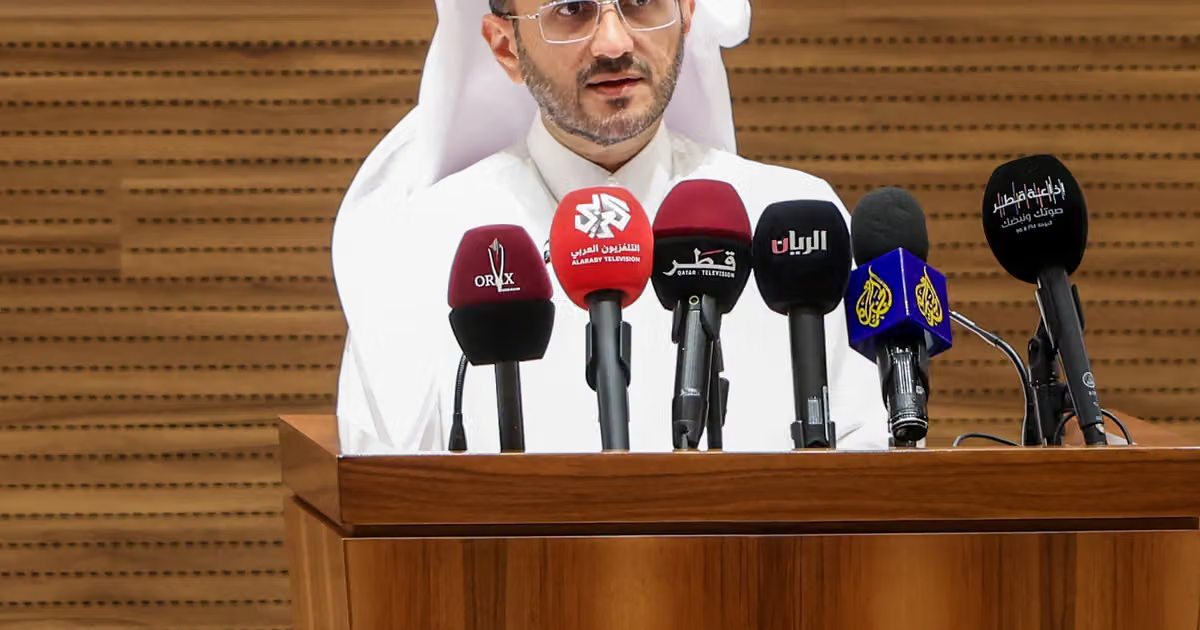
Speaking at his weekly briefing in Doha, foreign ministry spokesperson Majed Al Ansari offered a simple logic: the fact that talks are continuing at all demonstrates that both sides believe a deal is possible. His remark captured the cautious optimism that has characterised Qatar’s public messaging throughout its role as the primary intermediary in the eight-month conflict.
Al Ansari revealed that a Qatari delegation had spent more than three hours in meetings with Iranian officials on Monday before flying back to Doha that evening. Following those discussions, both Washington and Tehran were now examining proposals, with mediators relaying positions between the two capitals as they emerged.
The Interim Deal Concept
Rather than attempting to resolve every dispute at once, Qatar is pursuing an interim agreement designed to establish trust and allow each party to show it can honour its commitments. Al Ansari described this as a potential first step toward a durable peace rather than a final settlement.
His comment that confidence is built through the process, not through specific actions, reflects a strategic choice. Both the United States and Iran have accused the other of bad faith, and Iran in particular has pointed to being attacked twice during previous negotiations as grounds for scepticism. An interim framework with sequenced steps could allow each side to test the other’s reliability before committing to larger concessions.
Reports earlier in the week indicated that Qatari mediators had drafted a three-day sequence of confidence-building measures aimed at paving the way for direct US-Iran talks. Al Ansari’s remarks suggest that draft remains the basis for current exchanges.
The War’s Origins and Costs
The conflict began in late February with American and Israeli strikes on Iran. Tehran responded by closing the Strait of Hormuz to shipping it had not approved, and the United States countered with a blockade of Iranian ports. The result has been a dual stranglehold on one of the world’s most important energy corridors, with severe consequences for global oil and gas markets.
Qatar, a major exporter of liquefied natural gas, has felt those consequences directly. Last Friday, one of its LNG tankers was struck by unidentified objects in the Gulf, an incident its operator Nakilat disclosed over the weekend. Attacks on LNG carriers have been rare during the war, making the strike particularly alarming for Doha.
Freedom of Navigation “Non-Negotiable”
Al Ansari used the briefing to draw a firm line on shipping. He described freedom of navigation as non-negotiable and condemned threats against vessels belonging to Qatar or any other nation. He warned that attacks on shipping and other forms of military escalation endangered the entire region and would inevitably affect the negotiations.
The statement served a dual purpose. It signalled to Iran that Qatar, despite its mediating role, will not tolerate assaults on its own commerce. It also reminded Washington that continued American strikes, such as Monday’s action against Iranian positions on Qeshm Island, risk undermining the diplomatic track Qatar is working to sustain.
Balancing Act
Qatar’s position is delicate. It maintains working relationships with both Washington and Tehran, hosts a major American military base and shares the world’s largest natural gas field with Iran. That combination gives it credibility with both sides but also exposes it to pressure from each.
The tanker attack illustrated the risks. Doha has not publicly assigned blame, a choice that appears calculated to preserve its mediating role. Al Ansari’s condemnation of threats to shipping was pointed but carefully general, avoiding direct accusation.
Where the Sides Stand
Iran’s position remains anchored in its seven-step plan, recently condensed so it could be implemented within two days. Tehran wants the American blockade lifted, sanctions eased and guarantees against further strikes before it will discuss its nuclear programme. Supreme Leader Mojtaba Khamenei has authorised the government to pursue dialogue.
Washington has sent mixed signals. President Donald Trump has spoken of a deal coming together and said there is no rush to decide, while advisers are reportedly divided between negotiating a settlement, resuming full-scale strikes or maintaining the current economic pressure. Vice President JD Vance, who leads the American side of the talks, has insisted on verifiable commitments regarding Iran’s nuclear activities.
Other Players
Qatar is not alone in the mediation effort. Pakistan has facilitated indirect contacts, and China has stepped up its engagement, with Foreign Minister Wang Yi meeting a senior Iranian official in Beijing and a special envoy preparing to tour Iran, Oman and Saudi Arabia. Russia has also voiced concern and urged diplomacy.
The convergence of these efforts increases the diplomatic weight behind a settlement but also raises the risk of competing initiatives. Qatar’s advantage is its direct channel to both principals and its track record of hosting sensitive talks.
What Comes Next
The real-time exchange of proposals suggests the process has moved beyond general statements into substantive bargaining. Whether that produces an interim agreement in the coming days will depend on Washington’s post-election decision about Iran and on Tehran’s willingness to accept a phased approach that does not deliver all its demands up front.
Al Ansari’s message was that the door remains open. His warning was that continued attacks on shipping or renewed military escalation could close it. For now, the mediators keep working, and the region waits.
Author