Faster Windows 11 Update: Microsoft’s Vision for a Snappier, Less Distracting PC
The faster Windows 11 update that Microsoft has been quietly teasing for months is finally taking shape. On Friday, the company outlined a fresh wave of improvements aimed at making Windows feel quicker, calmer, and more focused on getting actual work done. From a long-overdue File Explorer revamp to under-the-hood performance tuning and a softer approach to Widgets, this rollout signals a noticeable shift in priorities at Microsoft.
The message is clear: Windows should feel faster, look cleaner, and stop bombarding users with noise.
A Cleaner, More Productive Direction for Windows
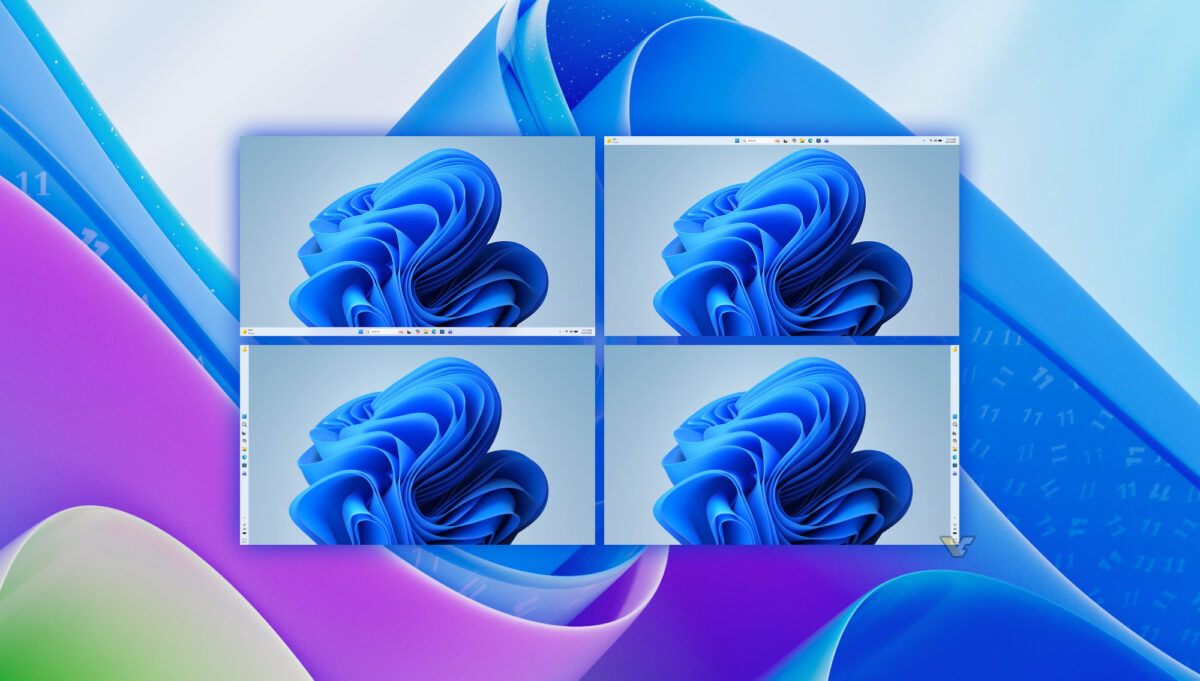
Microsoft began hinting at this new direction back in March, when it first promised a renewed focus on speed, stability, and user control. Since then, the company has been steadily walking back some of its more aggressive Copilot integrations and listening to long-time complaints from users — including the demand for a configurable taskbar, which is reportedly arriving later this month.
The latest changes are rolling out through the revamped Windows Insider program, giving early testers the first real look at how this productivity-focused version of Windows 11 will behave in everyday use.
File Explorer Finally Gets Some Love
Of all the upgrades, the File Explorer overhaul might be the most welcomed. For years, File Explorer has felt sluggish and inconsistent, even on high-end hardware. Microsoft now says it is making “foundational architectural improvements” rolled out gradually to address common pain points.
According to Marcus Ash, who leads the Windows Insider program, the goal is to:
- Reduce hangs and freezes
- Improve responsiveness during navigation
- Speed up launch times
- Smooth out transitions in the Home view
- Add visual polish to make the experience feel modern
If Microsoft delivers on these promises, even simple tasks like locating a recently saved file or browsing folders will feel noticeably better. Skeptics will rightly want to see proof, but at least the company is acknowledging that File Explorer needs work.
Bringing “Calm” to the Widgets Experience
Widgets have long been one of the most divisive parts of Windows 11. For many users, they feel cluttered, distracting, and oddly random — a chaotic mix of news snippets, weather updates, and content blocks that often miss the mark.
Microsoft seems to agree. The company is now embracing what it calls a “calm” design philosophy for Widgets, with fewer notifications and a more deliberate separation between Widgets and the Discover feed. The plan includes:
- Calmer default settings
- Reduced notification noise
- Clearer boundaries between productivity tools and content discovery
- Greater user control over what’s displayed
This is a smart move for anyone who wants their desktop to feel more like a workspace and less like a social media feed.
The Discover Feed Concern
That said, not every change is universally celebrated. The new Discover experience inside Microsoft Edge — where the company aggregates and AI-summarizes news from multiple sources — has raised legitimate concerns. Critics argue that AI-driven summaries risk reducing traffic to original creators, journalists, and publishers whose work is being repackaged.
There’s also the issue of accuracy. AI summaries can subtly distort meaning or introduce errors, leaving readers with content that looks polished but lacks reliability. While calmer Widgets are a productivity win, the broader push toward AI-summarized content remains a flashpoint in the ongoing debate about how AI should interact with original journalism.
A “Feels Faster” Windows 11 Under the Hood
Perhaps the most intriguing part of this update isn’t visual at all. Microsoft is promising what it calls a “feels faster” approach to system performance — a recognition that benchmark numbers don’t always match real-world experience.
Anyone who has used multiple laptops knows this gap well. Two machines can score similarly in synthetic tests yet feel completely different in actual use. One might launch Microsoft Word in half a second while another takes two seconds. Neither delay is dramatic on paper, but day after day, those tiny differences shape how productive a device feels.
This is exactly the territory where Apple’s Macs have long held an edge. The tight integration between macOS and Apple Silicon makes everyday tasks feel instantly responsive. Microsoft now wants Windows 11 to close that gap.
Where the Performance Gains Will Show Up
The performance push will focus on several frequently used parts of Windows, including:
- The Start menu
- Windows Search
- The Action Center
- Common system interactions
Microsoft is also reworking the Windows scheduler, which determines how CPU cycles are distributed among running tasks. The updated scheduler will adapt more intelligently to different power states, helping laptops conserve battery while still feeling responsive when needed.
Memory management is also getting attention, with smarter allocation aimed at reducing slowdowns during multitasking. If executed well, these tweaks could give Windows 11 the kind of polished, frictionless feel users have wanted for years.
Why This Update Matters for Everyday Users
For the average user, all of these improvements add up to one simple promise: a PC that gets out of your way. Whether it’s finding files faster, dealing with fewer pop-ups, or simply feeling that everyday apps respond more quickly, these changes are designed to remove friction from the workflow.
Some real-world benefits users could notice include:
- Quicker app launches
- Smoother file browsing
- Less clutter on the desktop
- Better battery efficiency on laptops
- A more focused work environment
It’s the kind of update that doesn’t make headlines for flashy new features but quietly improves daily life with a computer.
Microsoft’s Bigger Push to Win Back Users
This week, Microsoft CEO Satya Nadella told Wall Street that the company is hoping to win back Windows enthusiasts who have grown frustrated with bloat, distractions, and inconsistent performance. The faster Windows 11 update is clearly part of that strategy.
For now, the messaging is exactly what longtime users have wanted to hear. The real test will be whether Microsoft can follow through with consistent improvements, not just promises. If it does, Windows 11 could finally start feeling like the modern, efficient operating system it was always marketed to be.
Until then, the Insider program will be the proving ground — and users will be watching closely to see if this calmer, faster version of Windows truly delivers.
Author