Higher Oil Prices Loom as Iran War Disrupts Global Supply, Exxon CEO Warns
Higher oil prices Iran war fears are now front and center after a stark warning from Exxon Mobil CEO Darren Woods. According to Woods, global energy markets have yet to absorb the full impact of one of the most significant oil supply disruptions in recent memory. Speaking during the company’s first-quarter earnings call on Friday, the Exxon chief made it clear that the calm in current oil prices is misleading, and that meaningful price pressure could be just around the corner if the conflict continues.
The message is straightforward: the world has been buffered by short-term cushions, but those cushions are running thin.
Why Markets Haven’t Felt the Full Shock Yet
Despite the closure of the Strait of Hormuz and the broader fallout from the Iran war, oil prices have not skyrocketed to the levels many analysts initially expected. Woods explained that several temporary buffers have helped soften the blow, including:
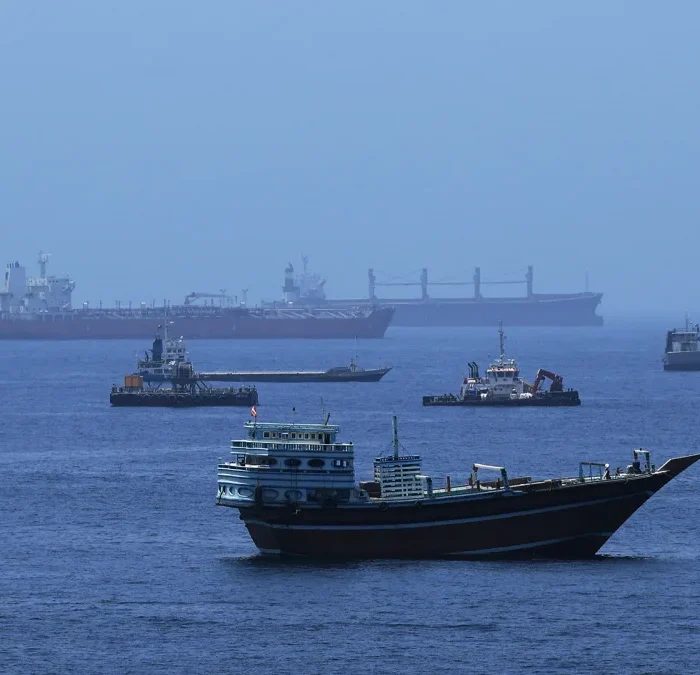
- A large number of loaded oil tankers that were already in transit when the conflict began
- Releases from strategic petroleum reserves around the world
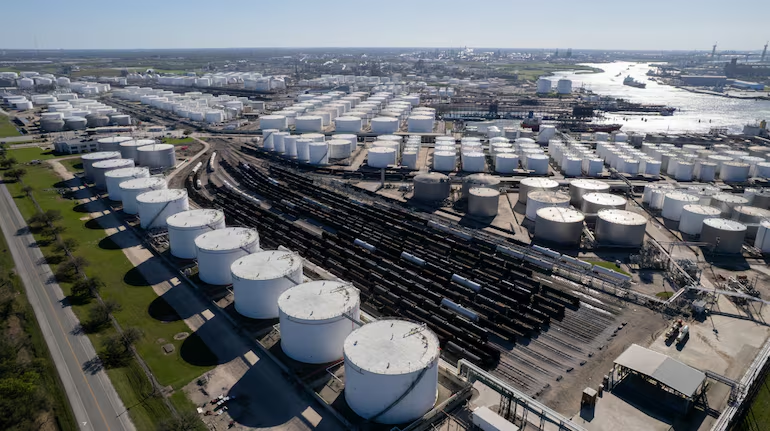
- Drawdowns of commercial inventories built up before the war
- Continued flows from regions outside the immediate conflict zone
These factors have collectively masked the true severity of the supply disruption. As Woods put it, the world is witnessing an unprecedented disruption in the supply of oil and natural gas, but the market has yet to fully reflect that reality.
A Ticking Clock for Prices
The crucial point Woods raised is that these mitigating factors are not infinite. Each of them has a shelf life. Once the buffer of tankers in transit is exhausted, strategic reserves are tapped out, and commercial inventories shrink, the market will be exposed to the raw weight of the supply gap.
If the Strait of Hormuz remains closed, the resulting price impact could be significant. According to Woods, more upward pressure is expected to come, and the longer the disruption lasts, the more pronounced that pressure will become.
In short, today’s oil prices reflect what’s currently flowing through the system, not what’s truly at stake.
Volatility Has Defined the War’s Oil Story
Since the start of the Iran war, oil futures markets have been on a wild ride. Prices have:
- Surged on fears of escalation and broader Middle East conflict
- Plunged on hopes of ceasefire negotiations or diplomatic breakthroughs
- Repeated this cycle multiple times within short periods
- Reflected uncertainty about the duration and scope of the war
By Friday, U.S. crude oil had dropped more than 3 percent to $101.38 per barrel, while the international benchmark Brent fell about 2 percent to $108. While these are elevated compared to pre-war levels, Woods noted they are still more in line with historical averages from the past decade rather than levels truly reflective of the Middle East crisis.
What Happens When the Strait Reopens
Even if a resolution emerges and the Strait of Hormuz reopens, oil markets won’t snap back to normal overnight. Woods estimated that it would take at least a month or two for Persian Gulf flows to fully normalize, citing several logistical realities including:
- Tankers needing to be repositioned across global routes
- A built-up supply backlog that must be cleared
- Long transit times for vessels heading to distant markets
- Coordination challenges as ports reopen and traffic resumes
- Inventory rebuilding by governments and private companies
The aftermath of the disruption may, paradoxically, drive prices higher in the short term. Once the conflict ends, governments and industry players will likely scramble to refill their depleted strategic reserves and commercial stockpiles. This sudden surge in demand could keep upward pressure on prices for months.
Direct Impact on Exxon’s Operations
While Exxon is one of the largest energy companies in the world, even it is not immune to the conflict’s reach. The company warned on Friday that if the Strait of Hormuz remains closed through the second quarter, its production in the Middle East could drop by 750,000 barrels per day compared with 2025 levels.
Other operational impacts include:
- A 3 percent decline in throughput to global refiners compared with Q4 2025
- About 15 percent of Exxon’s total production being affected by the strait’s closure
- Damage to two LNG production lines in Qatar following Iranian attacks
- Disruption of about 3 percent of Exxon’s 2025 upstream production from the affected lines
These figures, disclosed in a recent SEC filing, illustrate how deeply intertwined global energy operations are with the stability of the Persian Gulf.
Why Exxon’s Stock Hasn’t Soared With Oil Prices
Investors might assume that rising oil prices would be a clear win for Exxon’s shares. However, the company’s stock has been surprisingly flat since the war began. While oil prices have climbed roughly 57 percent since the conflict’s start, Exxon shares have barely moved over the same period.
There are several reasons behind this disconnect, including:
- Operational disruptions reducing output
- Damage to specific assets in Qatar
- Investor concerns about prolonged geopolitical risk
- Uncertainty about the duration of the strait’s closure
- Questions about future Middle East stability
In essence, while oil prices have surged on fear, the broader investor mood toward energy companies remains cautious due to the operational realities playing out behind the scenes.
The Bigger Picture for Global Energy
The current situation underscores how vulnerable global energy markets remain to geopolitical events. The Strait of Hormuz handles roughly a fifth of the world’s oil supply on a normal day, making any prolonged disruption a significant risk to global economies.
Some broader implications of the ongoing crisis include:
- Higher fuel costs for consumers around the world
- Increased pressure on countries to diversify energy sources
- Renewed interest in domestic energy production and refining
- Potential acceleration of long-term shifts toward renewable energy
- Increased political tension between major oil-producing and consuming nations
For now, governments are working with what they have, but the longer the conflict lasts, the more those buffers shrink — and the closer the world gets to the price spike Woods has been warning about.
What Consumers Should Expect
For everyday drivers and households, the message is clear: the relative calm in fuel prices may not last. If the Strait of Hormuz remains closed and supply buffers continue to deplete, the average consumer could soon feel the squeeze through:
- Higher prices at the gas pump
- Increased costs for shipping and logistics
- Rising prices for goods affected by transport costs
- Greater volatility in heating and energy bills
- Potential inflationary pressures across the economy
The Iran war’s energy story is far from over, and as Woods made clear, the global market is still absorbing the early shockwaves. The real test will come once the buffers run dry — and at that point, the world may finally see just how disruptive this conflict truly is for the global energy landscape.
Author