Strait of Hormuz attacks took a dangerous turn on Monday, putting fresh pressure on the already fragile ceasefire between Washington and Tehran. With negotiations stalling and tensions rising in the Persian Gulf, what began as a cautious truce now looks increasingly unstable.
A Sudden Surge of Violence in the Gulf
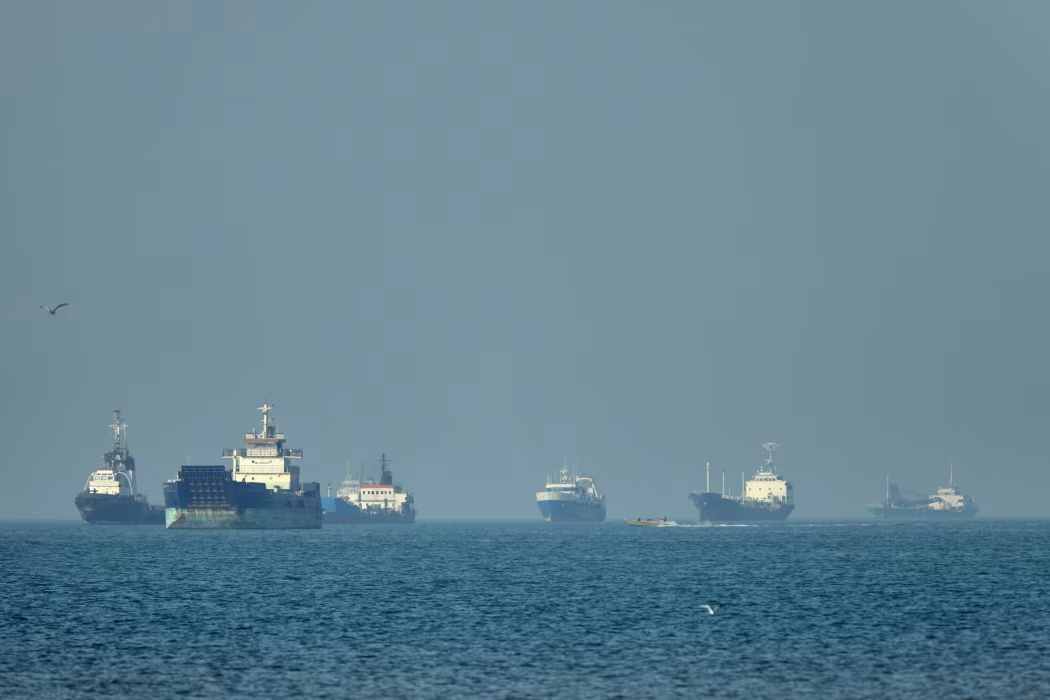
Monday morning brought a wave of incidents that rattled the region. Two American destroyers made their way through the strait, followed closely by a pair of commercial ships. During the transit, Iran reportedly launched cruise missiles and drones at the vessels, though none of the strikes hit their targets. Six Iranian fast boats also moved in on the merchant ships before being destroyed by U.S. forces.
Adm. Brad Cooper, who leads U.S. Central Command, confirmed the encounter but stopped short of declaring the ceasefire dead. Still, the scope of the engagement marks a clear expansion of American naval activity in one of the world’s most sensitive waterways.
Trump Responds, Calls on South Korea
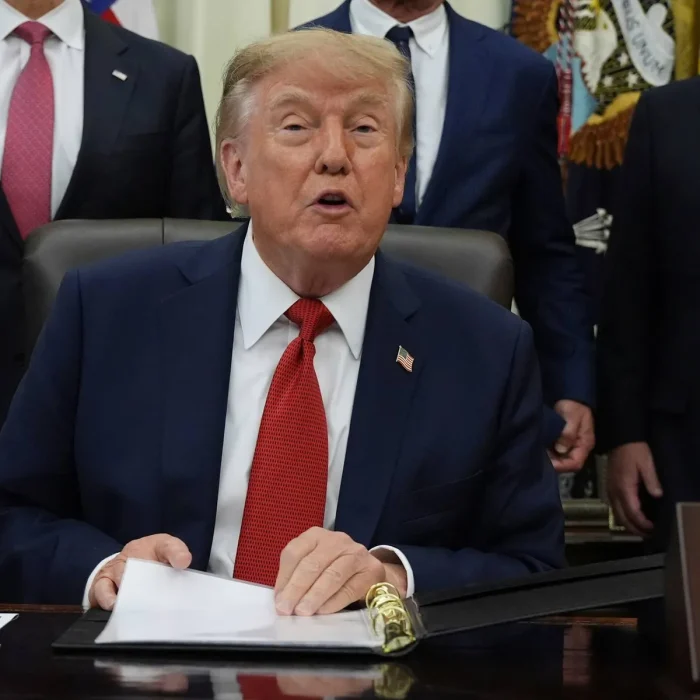
Adding to the day’s drama, President Donald Trump claimed that Iran also struck a South Korean tanker passing through the strait. In a post on Truth Social, he suggested that Seoul should consider joining the U.S.-led effort to keep the waterway open, framing it as a shared global responsibility.
Iranian officials, however, pushed back hard. Ahmad Vahidi, head of the Islamic Revolutionary Guard Corps, warned that any American ship entering the strait would be treated as a fair target. He also dismissed Trump’s online statements, insisting that control over the strait belongs solely to Iran and cannot be dictated by social media posts.
Why the Strait of Hormuz Matters
The Strait of Hormuz isn’t just another shipping lane. Roughly one-fifth of the world’s oil and gas supply passes through this narrow stretch of water. When Iran began restricting traffic earlier this year, the ripple effects were felt globally, with energy prices climbing sharply and several countries facing fuel shortages.
Since late February, when the U.S. and Israel carried out major airstrikes on Iranian targets, Tehran has mined sections of the strait. Only a limited number of ships have been permitted to pass, and even those must coordinate directly with Iranian authorities, who have started charging tolls. Several other vessels have been attacked along the way.
Stalled Talks and Rising Stakes
Reopening the strait sits at the heart of ongoing negotiations between the two countries. Since agreeing to a ceasefire on April 7, U.S. and Iranian officials have exchanged proposals and even met face-to-face in Pakistan. Yet progress has been slow, with major sticking points remaining, especially around Iran’s nuclear program.
Iran has also tied the issue to broader demands, including the release of frozen assets and reparations for war damages. By using the strait as leverage, Tehran is signaling that it won’t budge easily on other matters either.
Project Freedom: America’s Counter-Move
In response, the Trump administration has rolled out a large-scale military operation called Project Freedom. The mission, according to Central Command, involves:
- Guided-missile destroyers patrolling the strait
- Over 100 Navy and Air Force aircraft
- Drones and satellite surveillance
- More than 15,000 deployed personnel
Cooper noted that the two destroyers that passed through Monday weren’t escorting the commercial ships. Instead, they were clearing the path so that civilian traffic could resume safely. The U.S. is also reaching out to hundreds of stranded vessels representing 87 nations, offering help to navigate the dangerous waters.
Trump described the operation as a way to support people, businesses, and countries that he believes are simply caught in the crossfire and have done nothing to deserve the disruption.
UAE and Oman Caught in the Fallout
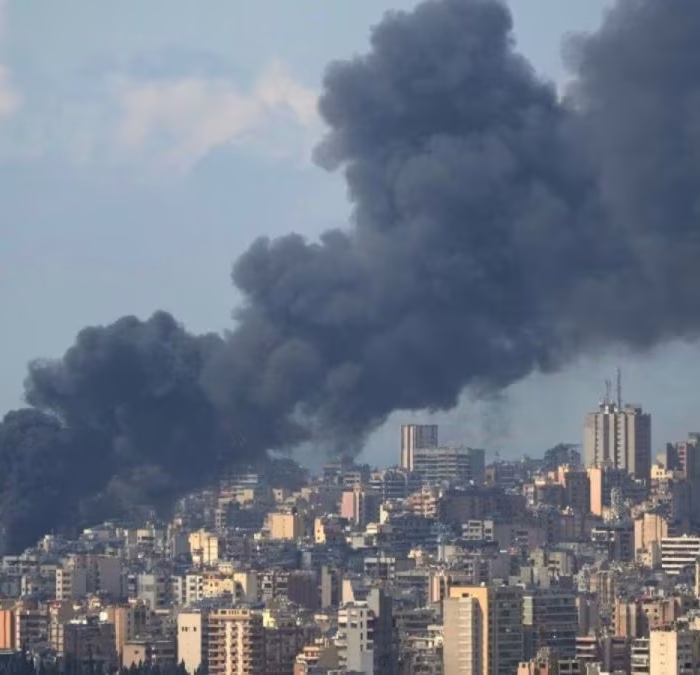
The violence wasn’t limited to the strait itself. The United Arab Emirates reported that its air defense systems intercepted 15 missiles and four drones, marking the first such attacks on its territory in nearly a month. In Fujairah, a key oil hub, one of the strikes sparked a fire. The UAE Foreign Ministry also confirmed that a tanker linked to ADNOC, the state-owned oil company, was hit by drones, though it was empty at the time.
Oman saw trouble too. State media reported that an attack on a residential building in the Musandam Peninsula injured two people, broke windows, and damaged several vehicles. The report, citing a security source, did not name those responsible.
The Naval Blockade Continues
While these incidents played out, the U.S. naval blockade of Iranian ports stayed firmly in place. Two aircraft carriers and a fleet of warships are intercepting commercial vessels suspected of trading with Iran or carrying its oil. So far, the Navy reports stopping or turning back 48 ships. In one case, American forces fired on a vessel attempting to slip through, disabling it.
A Ceasefire Hanging by a Thread
The events of Monday paint a picture of a ceasefire that exists more on paper than in practice. With missiles flying, drones striking, and warships maneuvering through contested waters, the line between truce and open conflict has rarely felt thinner. Whether diplomacy can pull both sides back from the edge remains to be seen, but for now, the Strait of Hormuz attacks are a stark reminder of how quickly fragile peace can unravel.
Author