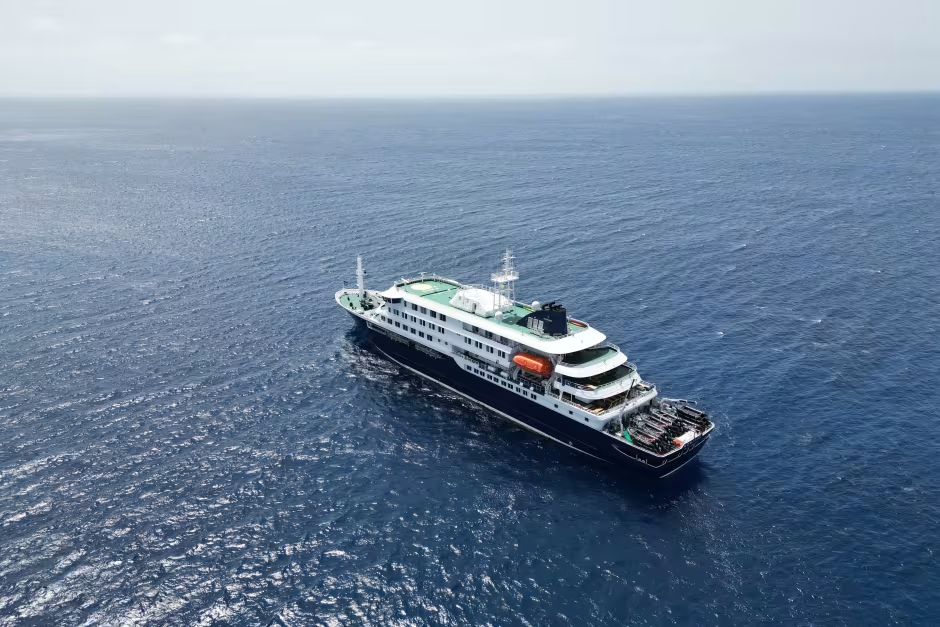
Hantavirus outbreak on cruise ship is now drawing attention from health officials around the world after a recent incident left three people dead and several others sick. While cruise ship illnesses are nothing new, this particular case stands out because of the unusual virus believed to be involved. Most outbreaks at sea trace back to common stomach bugs, but hantavirus belongs to a very different and far rarer category of disease.
What Happened on the Cruise Ship
The outbreak unfolded aboard a cruise ship and quickly became a serious public health concern after multiple passengers showed symptoms consistent with a severe illness. Three people have died so far, and others have fallen ill. So far, hantavirus has been confirmed in at least one case.
The World Health Organization is leading detailed investigations into the situation. Officials are running additional laboratory tests to better understand how widespread the virus is, how it reached the ship, and what other factors may be contributing to the outbreak.
Why Cruise Ship Outbreaks Happen So Often
Cruise ships are uniquely vulnerable to disease outbreaks. Thousands of passengers and crew members live, dine, and socialize together for days or weeks in close quarters. That kind of environment creates ideal conditions for highly contagious germs to spread quickly.
Most outbreaks on board cruise ships involve gastrointestinal or respiratory illnesses. The U.S. Centers for Disease Control and Prevention reported that there were 23 gastrointestinal outbreaks on cruise ships docking at American ports last year. Of those, 18 were caused by norovirus, the highly infectious stomach bug responsible for sudden vomiting and diarrhea.
This makes the suspected hantavirus case especially unusual. Unlike norovirus, hantavirus does not normally jump from person to person. It is typically connected to rodents, which complicates the picture significantly when it shows up in a maritime setting.
What Hantavirus Actually Is
Hantavirus is a rodent-borne illness that has likely existed for centuries. Historical records of related outbreaks have been documented in parts of Asia and Europe, though the virus didn’t gain wider attention in the West until much later.
In the early 1990s, a new group of hantaviruses appeared in the southwestern United States. These previously unknown strains caused a severe respiratory illness now known as hantavirus pulmonary syndrome. The discovery alarmed public health officials and led to deeper research into how the virus spreads, where it lives, and why it suddenly began causing serious human cases.
How People Usually Catch It
Hantavirus is most often spread through contact with the urine, droppings, or saliva of infected rodents. People can catch it by:
- Breathing in air contaminated with rodent waste, especially in enclosed spaces
- Touching surfaces that rodents have contaminated and then touching the face
- Being bitten, though that is rare
- Handling dead rodents without proper protection
The most common settings for hantavirus exposure are rural areas, cabins, sheds, barns, and other places where rodents may nest undisturbed. Cleaning out long-closed buildings without ventilation has been a known trigger for past outbreaks.
Why a Cruise Ship Case Is So Unusual
Hantavirus on a cruise ship is unexpected because cruise vessels typically have strong pest control and sanitation systems. Outbreaks at sea are nearly always linked to person-to-person illnesses, not animal-borne ones.
If hantavirus is confirmed as the cause of the cruise ship outbreak, investigators will likely focus on:
- Whether rodents were present in food storage or service areas
- Possible contamination of cargo or supplies loaded onto the ship
- Cleaning and ventilation procedures in affected sections of the vessel
- Any past port stops where exposure could have occurred
Because hantavirus does not usually spread between humans, multiple cases on a single ship would likely point to a shared exposure source rather than passenger-to-passenger transmission.
Symptoms and Severity
Hantavirus pulmonary syndrome is serious and can move very quickly. Early symptoms often resemble the flu, including:
- Fever
- Muscle aches, especially in the thighs, hips, and back
- Fatigue
- Headaches
- Chills
- Nausea or stomach discomfort
After several days, the illness can progress to severe respiratory issues. Patients may struggle to breathe, develop fluid buildup in the lungs, and require intensive medical care. The mortality rate for hantavirus pulmonary syndrome is high, which is why early diagnosis is so important.
There Is No Specific Cure
One of the most concerning facts about hantavirus is that there is no specific antiviral treatment available. Care focuses on managing symptoms, supporting the lungs, and helping the patient breathe through ventilators or oxygen therapy when needed. Patients who get to a hospital quickly tend to have better outcomes, but the disease can still be fatal.
Public Health Response
The World Health Organization, along with public health agencies in the affected regions, are now working to identify the source of the outbreak. Cruise ships involved in such cases typically undergo deep cleaning, rodent inspections, and review of food safety protocols. Passengers who were on board may also be monitored for symptoms even after disembarking.
Health authorities will likely issue updated guidance once more is known. In the meantime, travelers are being reminded to stay aware of unusual symptoms after returning from any cruise, especially if they involve fever and breathing problems.
What Travelers Can Do
While hantavirus on cruise ships is rare, anyone planning a trip can take simple steps to lower their risk of illness in general:
- Wash hands frequently, especially before meals
- Avoid touching the face after handling shared surfaces
- Report any unusual symptoms to the ship’s medical staff promptly
- Stay informed about current travel health advisories
A Reminder of How Quickly Things Can Change
The hantavirus outbreak on cruise ship is a strong reminder that even well-controlled travel environments can face unexpected health threats. While norovirus remains the most common culprit on the seas, this case shows that rare and dangerous illnesses can sometimes appear in places no one expects.
As investigations continue, travelers, health officials, and cruise companies will all be paying close attention. For now, hantavirus may still be uncommon at sea, but this outbreak has raised important questions about how prepared the cruise industry is for unusual disease threats and how quickly the world can respond when they emerge.
Author