China Factory Inflation Hits Post-Covid Peak as Iran War Sends Costs Soaring
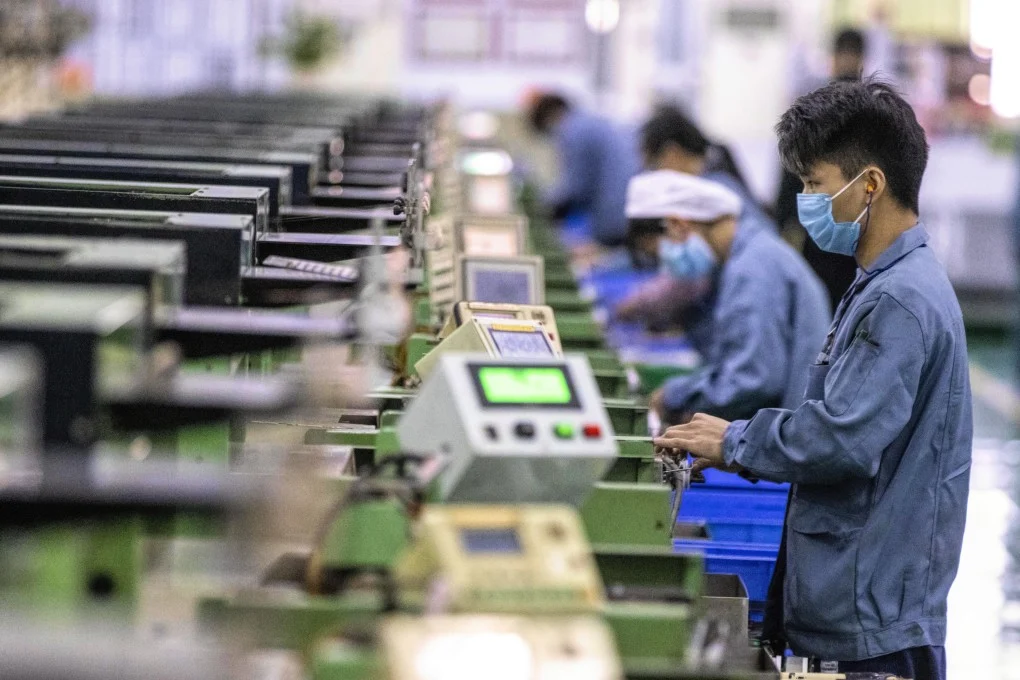
China Factory Inflation has shot up to its highest level in nearly four years, marking a dramatic shift for an economy that had been stuck in deflationary territory for far too long. The sudden jump is largely tied to the ongoing fallout from the Iran war, which has triggered one of the worst global energy disruptions in decades and pushed commodity prices skyward.
For Chinese manufacturers, this is a double-edged sword. Prices are finally rising, but so are costs, and the squeeze is getting tighter by the month.
The Numbers Tell a Striking Story
Fresh data released by China’s National Bureau of Statistics on Monday painted a clear picture. Producer prices in April climbed 2.8 percent compared to the same month a year earlier, a sharp jump from the modest 0.5 percent increase recorded in March. That’s the fastest pace of growth since July 2022 and well above the 1.8 percent figure that economists surveyed by Bloomberg had predicted.
Consumer prices also surprised analysts. Despite a drop in food costs, inflation at the consumer level rose to 1.2 percent in April, up from 1 percent in March. Most economists had actually expected a slight cooling, making the uptick all the more notable.
Markets React Quickly
Financial markets responded almost immediately to the data. The Chinese yuan strengthened against the US dollar, climbing as much as 0.2 percent and breaking past the closely watched 6.8 per dollar mark. On the bond side, futures took a hit, with the 30-year tenor sliding to its lowest intraday level in over a month.
These market shifts suggest investors are recalibrating their expectations about where the Chinese economy is heading next.
What Is Driving the Price Surge
According to Dong Lijuan, a statistician at the National Bureau of Statistics, several forces are working together to push prices higher. The major factors include:
- A rapid climb in international commodity prices
- Stronger demand in specific domestic sectors
- Improvements in market competition dynamics
The single biggest catalyst, though, is the war in Iran. The conflict has unleashed a wave of energy disruption that has rippled through global markets and finally pulled China out of its long stretch of factory deflation, which had lasted three and a half years.
Profit Margins Under Pressure
Higher prices might sound like good news for Chinese factories, but the reality is more complicated. While selling prices are rising, the cost of raw materials and inputs is rising even faster.
The purchase price index climbed 3.5 percent year on year, creating the widest gap between input costs and selling prices since August 2024. Translation: factories are paying significantly more to produce goods than they can recover by raising their own prices.
This matters because domestic demand inside China remains weak, and the labor market is showing worrying signs of deterioration. Without strong consumer appetite, manufacturers simply cannot pass all of their increased costs onto buyers.
Even in the services industry, the trend is similar. Many service firms are actually lowering their charges to attract customers, even as their own input costs continue to surge.
The End of a Deflationary Era
To understand the significance of these numbers, you have to look back. China had been caught in a deflationary spiral since late 2022, driven by a glut in manufacturing capacity and lackluster domestic spending. The result was years of brutal price wars where companies kept slashing prices just to move inventory.
Now, things may finally be turning. Bloomberg Economics projects that the GDP deflator, a broad measure of price changes across the economy, could end its three-year streak of declines as soon as this quarter. That would mark a meaningful turning point for the world’s second-largest economy.
Which Sectors Are Driving the Inflation
Not every industry is contributing equally to this price surge. The breakdown of where the inflation is coming from reveals some interesting patterns:
- Non-ferrous metals mining and processing alone accounted for nearly 1.6 percentage points of the year-on-year increase in producer inflation
- Industries directly affected by the Iran war, such as crude oil extraction, oil processing, and chemical materials manufacturing, contributed about 1.5 percentage points
- Electrical machinery and electronics manufacturing added slightly less than half a percentage point
The data clearly shows that energy and raw materials are at the heart of this inflation story. Without the war-driven spike in oil and commodity prices, the picture would look very different.
What This Means Going Forward
For policymakers in Beijing, this shift creates a complicated balancing act. Ending deflation has been a longstanding goal, and rising prices could finally give the economy some breathing room. However, the inflation is being driven mostly by external shocks rather than healthy domestic demand, which limits how much benefit Chinese businesses and workers will actually feel.
If global energy markets stabilize, some of these price pressures could ease. But if the Iran war continues to drag on or escalates, the cost shock could intensify and put even more strain on Chinese manufacturers.
The Bigger Global Picture
China Factory Inflation isn’t just a domestic story. As one of the world’s largest exporters, what happens to Chinese factory prices has ripple effects across global supply chains. Higher production costs in China can eventually translate into higher prices for consumers in the United States, Europe, and elsewhere who buy Chinese-made goods.
In other words, the inflation pressures showing up in Chinese factories today could quietly shape what shoppers around the world end up paying tomorrow.
Final Thoughts
The latest data marks a turning point for China’s economy. After years of falling prices and gloomy deflationary headlines, factory inflation is suddenly running at a multi-year high. But the celebration is muted because the inflation is largely imported, profit margins are getting squeezed, and weak domestic demand continues to hold the broader recovery back.
Whether this moment represents the beginning of a genuine economic rebound or simply a short-term spike driven by geopolitical chaos will become clearer in the coming months. For now, all eyes are on the Iran conflict, global commodity markets, and how Chinese policymakers choose to respond.
Author