Concerns over Iran proxy attacks reaching far beyond the Middle East have intensified after a criminal complaint against an Iraqi man was unsealed in a U.S. court. The case has fueled fears that Tehran may be using its network of allied militias to strike Western targets well outside its traditional sphere of influence.
A Case That Raised Alarms
The complaint, made public on Friday, accuses Mohammad al-Saadi of plotting attacks inside the United States. Prosecutors describe him as a senior figure in Kataib Hezbollah, an Iraqi militia backed by Iran.
What makes the case especially worrying for U.S. officials is its apparent connection to a string of attacks across Europe. According to the complaint, al-Saadi was involved in planning at least 20 attacks in Europe and Canada since the U.S.-Israeli campaign against Iran began in late February. Investigators say he was also working on plots within the United States, including against Jewish institutions.
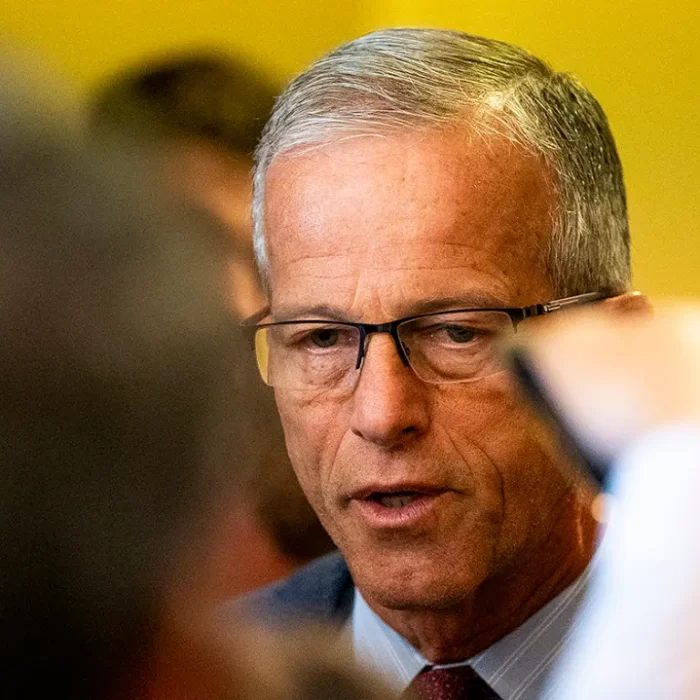
The implications trouble analysts who study the region. Aaron Y. Zelin of the Washington Institute for Near East Policy noted that the group has now expanded its activity into Western countries, well beyond active war zones. He warned that this suggests more elements of Iran’s broader “Axis of Resistance” may be involved in carrying out attacks in the West.
The Arrest and Court Appearance
Al-Saadi was recently detained in Turkey and handed over to U.S. authorities, according to his lawyer, who spoke in federal court in Manhattan on Friday. He appeared in court that day but did not enter a plea.
Sabereen News, an Iraqi outlet linked to Iranian-backed militias, reported that al-Saadi had been traveling through Turkey toward Moscow when Turkish security forces detained him. The outlet also shared what it said was a video of him reassuring his family after the arrest.
Much about the case remains uncertain as it moves through the legal system. Kataib Hezbollah has not publicly commented on the arrest or on the allegations that it supported attacks in Western nations. Al-Saadi himself has not spoken publicly about his alleged ties to the group, though his lawyer described him in court as a political prisoner and prisoner of war.
Adding to the ambiguity, three people in Iraq who said they knew al-Saadi, including a senior Iraqi official, acknowledged he had connections to Iraqi militias and Iranian officials but said they were unaware of any membership in Kataib Hezbollah. They spoke anonymously given the sensitivity of the matter.
What Investigators Allege
Federal investigators built their case in part on transcripts of phone calls in which, they say, al-Saadi sought to organize attacks and recruit operatives. One alleged target mentioned was a Jewish temple. Investigators also included photographs they say show al-Saadi alongside senior Iranian officials, among them Qassim Suleimani, the Revolutionary Guards commander killed by the United States in 2020.
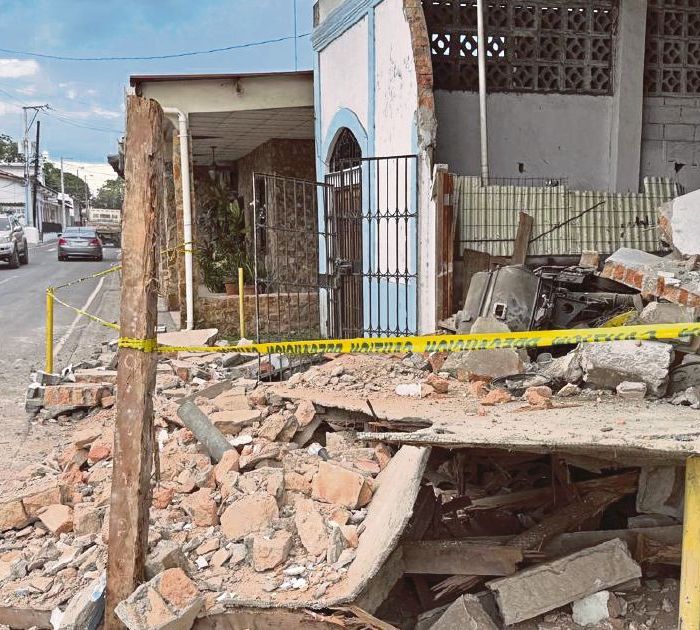
The attacks tied to the plot reportedly include the firebombing of a synagogue in Belgium and an assault on the Bank of America building in Paris. Many of these incidents had originally been claimed by a previously unknown group calling itself Harakat Ashab Al-Yamin al-Islamiya. However, federal investigators concluded that this group was essentially a front for Kataib Hezbollah.
According to the complaint, al-Saadi planned to kill Americans and Jews in Los Angeles and Arizona, and had begun preparing an attack on a synagogue in New York City.
A Pattern of Iranian Activity
The case fits into a longer history of Iran using force against its perceived enemies. U.S. officials say Iran’s Islamic Revolutionary Guards Corps attempted to kill opponents on American soil even before the current war, with targets reportedly ranging from President Trump to Masih Alinejad, an exiled Iranian critic living in New York.
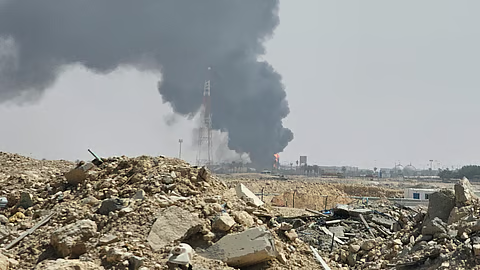
Kataib Hezbollah itself has been active throughout the recent conflict. Since the war between the United States, Israel, and Iran began in late February, the militia has fired on the U.S. Embassy in Iraq and on oil installations in the Arab Gulf states. Until now, however, its operations appeared confined to the region.
Backed by Iran, the group has grown into a powerful and hard-line force with significant influence in Iraq. Its fighters have killed American soldiers, kidnapped an American journalist and an Israeli academic, and supported the government of deposed Syrian president Bashar al-Assad.
The Broader Network
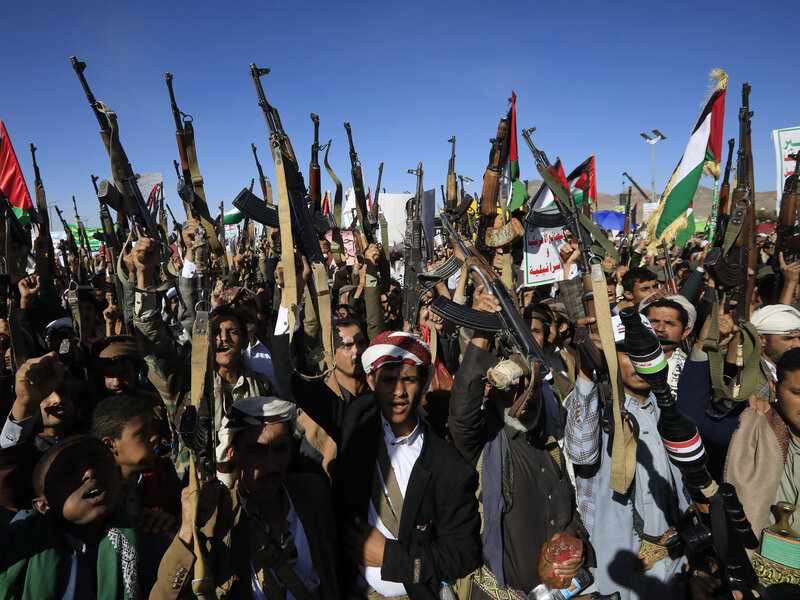
Iran began building its network of proxy militias across the Middle East, known as the Axis of Resistance, in the late 1980s.
For many years, Hezbollah in Lebanon stood as the most powerful member of that network. The group has faced accusations of carrying out attacks abroad, most notably a 1994 bombing of a Jewish community center in Buenos Aires that killed more than 80 people, an attack an Argentine court attributed to the organization. Both Hezbollah and Iran denied involvement.
Although these groups maintain their own leadership, experts say they coordinate closely with the Revolutionary Guards and are unlikely to launch any overseas operation without approval from Tehran, given the risk of consequences for Iran itself.
A Fragile Backdrop
The case unfolds against a tense and unresolved conflict. The United States, Israel, and Iran are currently observing a fragile cease-fire. Mediation efforts, led most prominently by Pakistan, have stalled, with the sides unable to agree on limits to Iran’s nuclear program.
Iran continues to blockade the Strait of Hormuz, a vital route for global oil shipments, pushing prices higher worldwide, while U.S. vessels enforce their own blockade of Iranian ports.
President Trump has maintained that the United States and Israel severely damaged Iran’s military. Yet U.S. intelligence assessments suggest Iran still retains substantial fighting capability should open war resume.
For now, the al-Saadi case stands as a stark warning. If the allegations hold, Iran proxy attacks may no longer be limited to the Middle East, but instead represent a growing threat reaching into Western cities far from the battlefield.
Author