Gaza Flotilla Activists Israel Detention Sparks Global Outrage
Gaza flotilla activists Israel detention has triggered an international firestorm after Israel’s far-right national security minister, Itamar Ben-Gvir, posted a video taunting handcuffed activists pinned to the ground. The footage, which quickly went viral, has sparked condemnation from Western governments, criticism from inside Israel itself, and renewed scrutiny over Israel’s treatment of humanitarian protesters.
The incident has rapidly escalated into a diplomatic crisis, with multiple European countries summoning Israeli ambassadors and demanding accountability. At the heart of the controversy is the treatment of hundreds of activists who were attempting to deliver aid to Gaza when their vessels were intercepted by Israeli naval forces.
What Happened on the High Seas
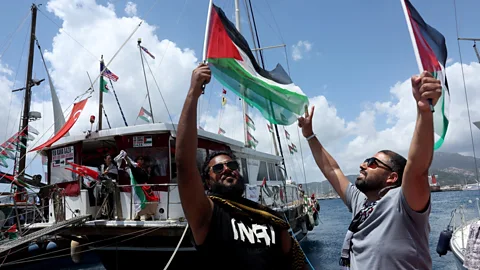
The flotilla, made up of dozens of vessels, set sail from southern Turkey earlier this week with the goal of breaking Israel’s blockade of Gaza and delivering humanitarian aid to the people there. According to organizers, the mission was peaceful and focused entirely on providing critical supplies.
On Wednesday, Israeli naval forces intercepted the boats in international waters. The activists were taken into custody and transported to Israeli detention facilities. By Thursday, the Israeli foreign ministry confirmed that all of them had been deported.
While Israel claims it used only non-lethal measures during the interception, several activists and human rights groups dispute that account, alleging serious abuse during the operation and in detention.
The Video That Set Off Global Outrage
The most explosive element of the entire incident was a video posted by Israel’s National Security Minister, Itamar Ben-Gvir. The footage shows:
- Dozens of detained activists kneeling in rows, hands zip-tied behind their backs
- An outdoor Israeli port facility surrounded by soldiers carrying long guns
- A young female activist chanting “Free, free Palestine” before being forced to the ground
- Ben-Gvir walking past the detainees while carrying a large Israeli flag
At one point in the video, Ben-Gvir mocks the activists by saying, “Look at them now. See how they look now, not heroes and not anything.” For many viewers, the scene drew chilling comparisons to images of Palestinian detainees during Israel’s military operations in Gaza.
The video, combined with similar content posted by Transport Minister Miri Regev, has been widely viewed as part of a campaign-style push ahead of a potential early Israeli election.
International Condemnation Pours In
The reaction from around the world was swift and unusually direct. Multiple European countries summoned Israeli ambassadors over the matter, with calls for apologies and accountability.
Key international responses included:
- Italy demanded a formal apology
- Spain warned it would not tolerate any mistreatment of its citizens
- France called for the immediate release of all detained activists
- Britain’s foreign ministry condemned the video, saying it violated basic standards of dignity and respect
- Poland’s foreign minister called for Ben-Gvir to be banned from entering the country
Even some of Israel’s closest allies were stunned. U.S. Ambassador to Israel Mike Huckabee said Ben-Gvir had “betrayed the dignity of his nation,” a rare and pointed rebuke from a senior American official.
Netanyahu Distances Himself From Ben-Gvir
In a notable internal political moment, Israeli Prime Minister Benjamin Netanyahu publicly criticized Ben-Gvir’s behavior, stating that the minister’s conduct was “not in line with Israel’s values and norms.”
The criticism reflects the political tension within Netanyahu’s own coalition, where far-right ministers have been pushing aggressive messaging ahead of upcoming elections. With public attention rising around how Israel handles humanitarian protests, Netanyahu appears eager to distance himself from the worst optics, even from members of his own government.
Allegations of Physical Abuse
While the video drew the most public attention, even more serious allegations have emerged from the activists themselves. Two Italian activists who were among those flown back home publicly accused Israeli authorities of physical assault.
Italian journalist Alessandro Mantovani described being beaten upon his arrival at an Israeli detention facility, which he likened to a “place of terror.” He said guards kicked him in the legs and punched him in the face while sarcastically welcoming him to Israel.
Italian lawmaker Dario Carotenuto, a member of the 5-Star Movement, also said he was punched in the eye and kicked during his detention.
These claims add to a growing pattern of accusations made by previous flotilla participants, who have alleged similar abuses by Israeli forces. Israel has consistently denied wrongdoing in such cases.
Human Rights Groups Speak Out
The Israeli human rights group Adalah said roughly 430 activists had been released from prison in southern Israel. Communications director Miriam Azem described disturbing patterns of abuse documented by the group’s lawyers, including:
- Repeated use of tasers
- Suspected broken ribs from beatings
- Use of prolonged stress positions
- Reports of sexual harassment and abuse
- One activist allegedly forced to strip naked and run while guards laughed
- Use of rubber bullets that injured several activists during interception
The Israel Prisons Service dismissed these allegations as completely false and said that all detainees were held in accordance with the law and treated with full respect for their basic rights. Officials emphasized that medical care was provided based on official health ministry guidelines.
The U.N. Weighs In
Thameen al-Kheetan, spokesperson for the Office of the U.N. High Commissioner for Human Rights, called for accountability. He emphasized that anyone responsible for abusing detainees must be held to account.
He also reinforced a fundamental humanitarian principle, saying it is not a crime to show solidarity with people in need or to attempt to deliver humanitarian aid to those in dire conditions.
The Political Context Behind the Incident
What makes this situation especially explosive is its political backdrop. Israel is heading toward a possible early election, with the next national vote due by October 27. Far-right ministers like Ben-Gvir are clearly using the moment to energize nationalist voters.
For Netanyahu, the situation creates a tough balancing act. His Likud party often relies on nationalist support to win elections, but the global outrage triggered by Ben-Gvir’s actions threatens to damage Israel’s image and complicate already strained international relationships.
Some key political factors at play include:
- Increased competition for the nationalist vote
- Pressure from international allies to maintain humanitarian standards
- Public concern over Israel’s actions during and after the Gaza war
- Continued questions about the country’s response to humanitarian missions
The Bigger Picture: Aid, Blockade, and Politics
The flotilla mission, like many before it, was meant to challenge Israel’s ongoing blockade of Gaza. Despite a U.S.-brokered ceasefire between Israel and Hamas that has been in place since October 2025, humanitarian groups say aid to Gaza remains far below what’s needed.
Past flotillas, including ones involving high-profile activists like Greta Thunberg, have also been intercepted by Israel, with participants later deported. These repeated interceptions have kept the issue alive globally and continue to attract attention from civil society, governments, and rights groups.
Turkey’s foreign minister, Hakan Fidan, confirmed that special flights were being arranged to bring activists, including those from other countries, back to Turkey. Activists involved in the flotilla came from a wide range of countries, including Spain, South Korea, and Ireland.
Final Thoughts
The Gaza flotilla activists Israel detention has become much more than a single incident. It has exposed deep international concerns over Israel’s treatment of humanitarian protesters, raised questions about political motivations behind viral videos like Ben-Gvir’s, and reignited global debate over the Gaza blockade. As pressure grows from European capitals, the United Nations, and even close allies like the United States, the world is watching closely to see whether Israel’s leadership will respond with accountability or double down on its current course. Whatever happens next, this moment is likely to leave a lasting mark on international perceptions and Israel’s relationships abroad.
Author