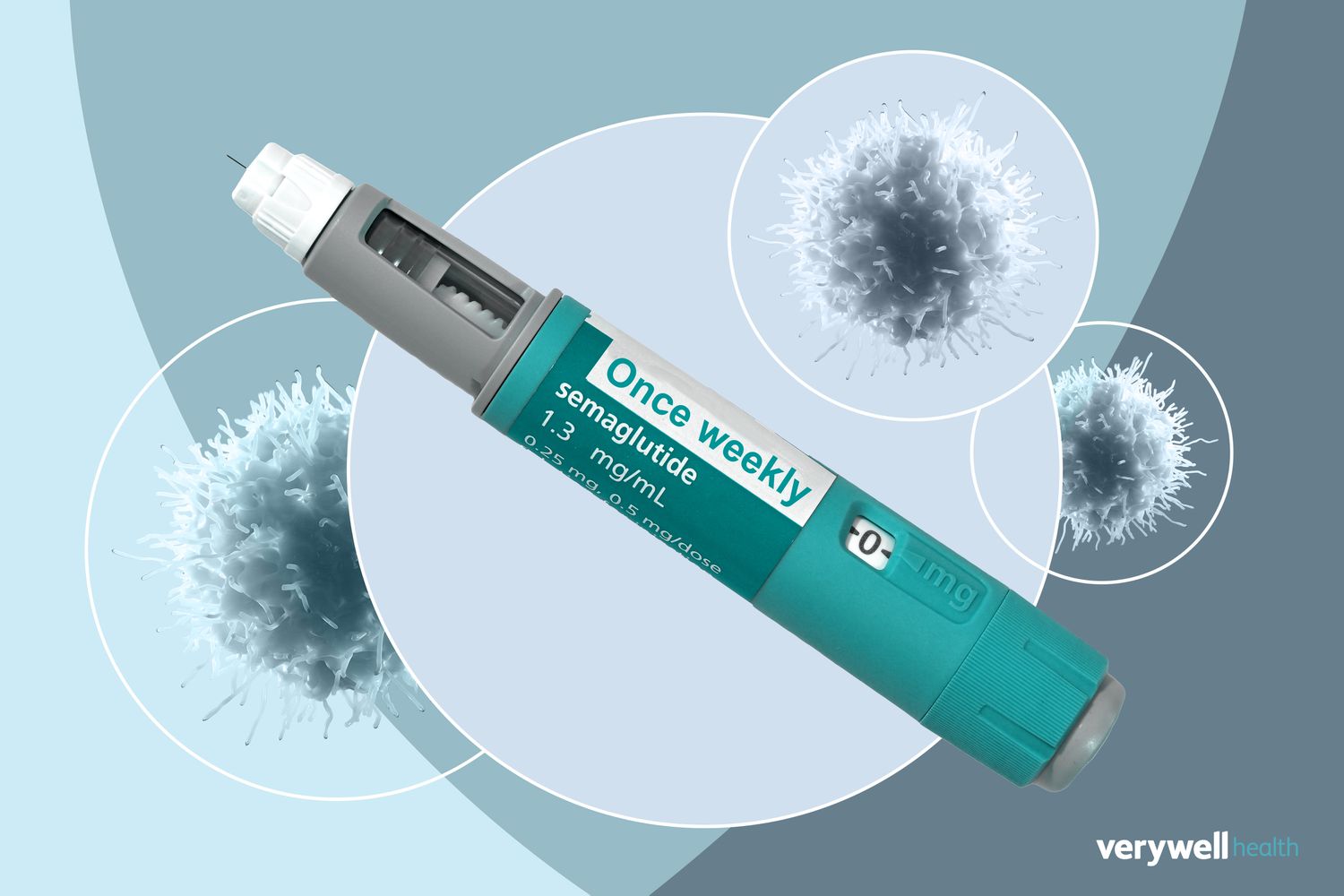
GLP-1 Drugs Cancer Progression: A Promising New Frontier in Medical Research
GLP-1 drugs cancer progression has become one of the most talked-about topics in medical research this week, after new findings from the Cleveland Clinic revealed a potential connection between these popular diabetes and weight loss medications and reduced cancer spread. The study, set to be presented at the American Society of Clinical Oncology’s annual meeting, suggests that people who started GLP-1 drugs after a cancer diagnosis may face a lower risk of their cancer reaching stage 4.
While the findings are still early, they’re adding even more momentum to a growing list of unexpected health benefits linked to drugs like Ozempic, Wegovy, and Zepbound. What started as medications for diabetes and obesity is increasingly looking like a class of drugs with much broader potential.
The Expanding World of GLP-1 Health Benefits
In recent years, GLP-1 drugs have gone far beyond their original purpose. They’ve already been approved for several additional uses, and ongoing research keeps revealing new possibilities.
Notable expansions of GLP-1 benefits include:
- Reducing the risk of heart disease (Wegovy)
- Preventing the worsening of kidney disease (Ozempic)
- Treating obstructive sleep apnea (Zepbound)
The new research now suggests that these drugs may also play a role in slowing certain cancers from progressing, opening yet another avenue for medical exploration.
What the Cleveland Clinic Study Found
Dr. Mark Orland, an internal medicine physician at the Cleveland Clinic, led the new research. His team reviewed patient records from the TriNetX Global Health Research Network database, gathering information from more than 10,000 individuals who had been diagnosed with cancer.
The study included patients with seven major types of cancer:
- Breast cancer
- Colorectal cancer
- Kidney cancer
- Liver cancer
- Lung cancer
- Pancreatic cancer
- Prostate cancer
All patients had either stage 1, 2, or 3 cancer, and each began taking a GLP-1 drug after being diagnosed. While it isn’t clear whether the patients started GLP-1s for diabetes or obesity, the team carefully built a control group made up of patients with the same type and stage of cancer and the same risk factors. The key difference was that the control group used a different diabetes drug called a DPP-4 inhibitor.
Cancers That Showed Promising Results
In nearly every cancer type studied, except kidney cancer, people who started GLP-1 medications were less likely to have their tumors metastasize. However, only four cancers had statistically significant reductions in spread.
These cancers included:
- Non-small cell lung cancer
- Breast cancer
- Colorectal cancer
- Liver cancer
The largest reductions were observed in lung and breast cancer:
- Lung cancer patients on GLP-1s were 50 percent less likely to progress to stage 4
- Breast cancer patients on GLP-1s were 43 percent less likely to progress
While these numbers are promising, the researchers stress that this was an observational study. It can show patterns and associations but cannot prove cause and effect on its own. Randomized clinical trials are still needed to truly confirm that GLP-1 drugs can slow cancer progression.
Is It the Drug Itself or Better Health Overall?
A common question that comes up with GLP-1 research is whether the benefits come from the drug or simply from improved control of obesity and diabetes, which are themselves linked to higher cancer risks.
According to Dr. Orland, he believes the benefits are most likely tied to the drug itself rather than the indirect effects of better managing diabetes or weight. This view is also supported by Dr. William Troy Donahoo, chief of the division of endocrinology, diabetes, and metabolism at the University of Florida in Gainesville, who wasn’t involved in the research.
Donahoo previously worked on a study last year that found GLP-1 use was linked to a reduced risk of developing cancer in the first place. The new findings appear to align with that earlier work.
The Key Clue: GLP-1 Receptors on Tumors
One of the most fascinating insights from the new research involves something called GLP-1 receptors. The study suggests that patients whose tumors had more GLP-1 receptors were less likely to see their cancer metastasize while taking GLP-1 medications.
This insight opens up new possibilities for understanding how GLP-1 drugs might directly affect tumors. According to Dr. Kelvin Lee, director of Indiana University’s Melvin and Bren Simon Comprehensive Cancer Center, this is a key area for further research.
He explained that targeting a receptor on tumor cells can disrupt the way they communicate, which may interfere with their ability to spread.
A Possible Energy Cut-Off for Tumors
Another theory researchers are exploring involves how GLP-1 drugs may affect a process called glycolysis. Glycolysis is how cells convert glucose into energy, and tumors heavily rely on it to survive and grow.
If GLP-1 drugs interfere with glycolysis in tumor cells, they could potentially:
- Cut off a tumor’s primary energy supply
- Slow its growth
- Reduce its ability to spread to other parts of the body
This represents a powerful mechanism that could explain the patterns researchers are observing in clinical data.
A Multi-Layered Effect
What’s particularly exciting to scientists is that GLP-1 drugs may attack cancer on more than one front. According to Lee, the drugs likely work on both the tumor cells themselves and the environment surrounding them. He pointed out that “cancers are part of a complex ecosystem, the body,” and altering that ecosystem can have wide-reaching effects.
Some of the ways GLP-1 drugs may influence cancer’s overall environment include:
- Boosting immune system activity
- Strengthening T-cell function
- Reducing chronic inflammation that helps tumors thrive
- Slowing tumor cell communication networks
Even small shifts in these areas can have significant impacts on how cancer progresses.
What This Means for Patients
For patients diagnosed with cancer, particularly those who also live with diabetes or obesity, this research is encouraging. While it does not mean that GLP-1 drugs should be used as a primary cancer treatment, it does suggest that these medications appear to be safe for many cancer patients to continue using during treatment.
According to Dr. Orland, the most important takeaway right now is that:
- GLP-1 drugs seem safe for diabetes or weight loss in people with cancer
- It’s still too early to recommend them as a cancer therapy
- More clinical research is needed before doctors can confidently use them for cancer treatment
Patients are advised to continue working closely with their oncologists and primary care doctors to decide the best treatment plans for their unique situations.
The Bigger Picture: A New Era for GLP-1 Research
The growing list of GLP-1 benefits is making it one of the most exciting drug classes in modern medicine. From heart disease and kidney disease to sleep apnea and now potentially cancer, these medications are reshaping how doctors think about long-term health management.
Future research is likely to focus on:
- Conducting randomized clinical trials to confirm cancer-related benefits
- Studying GLP-1 receptors on different tumor types
- Investigating how GLP-1s influence cancer’s environment
- Exploring potential interactions with other treatments
- Understanding why certain cancers respond better than others
As Donahoo noted, “Each type of cancer has its own puzzle.” Solving those puzzles will take time, but the early signs are deeply encouraging.
Why the Excitement Is Justified
For decades, medical breakthroughs have come from unlikely sources. Drugs originally designed for one purpose often turn out to have far broader uses than originally imagined. GLP-1 drugs may be one of the most striking examples of that pattern in modern medicine.
If future research confirms even some of the early findings, GLP-1 drugs could:
- Improve cancer outcomes for millions of people
- Open the door to new combination therapies
- Help slow the progression of multiple chronic diseases
- Reshape how doctors approach long-term metabolic health
- Inspire entirely new categories of medications
For now, the science is still developing, but the early results offer real hope for both patients and researchers.
Final Thoughts
GLP-1 drugs cancer progression is a fast-emerging area of medical research that could change how doctors think about treating not just diabetes and obesity, but cancer itself. The new Cleveland Clinic study, while still early, adds powerful evidence to the growing belief that GLP-1 drugs may have meaningful anti-cancer effects, particularly for lung, breast, colorectal, and liver cancers. While these medications are not yet a part of standard cancer treatment, the future looks promising. With more research, scientists may unlock new ways to harness GLP-1 receptors in the fight against cancer, offering hope for better outcomes and longer lives for patients around the world.
Author