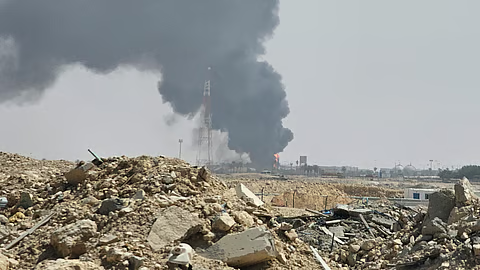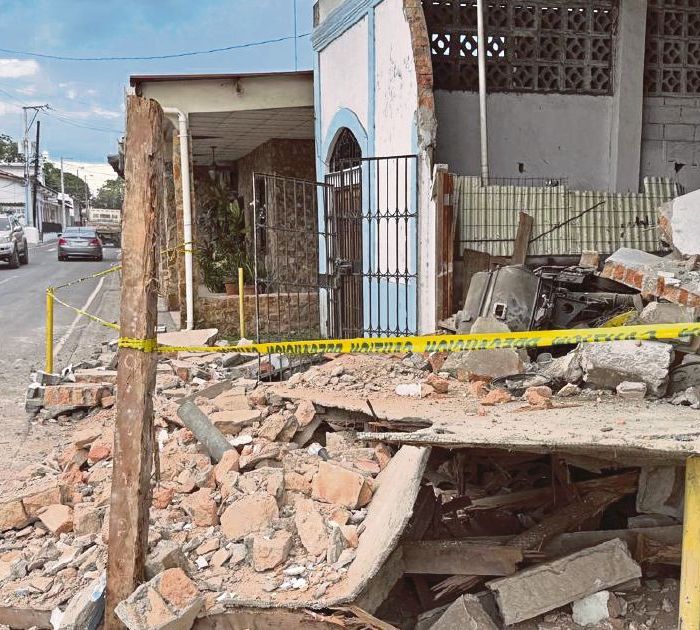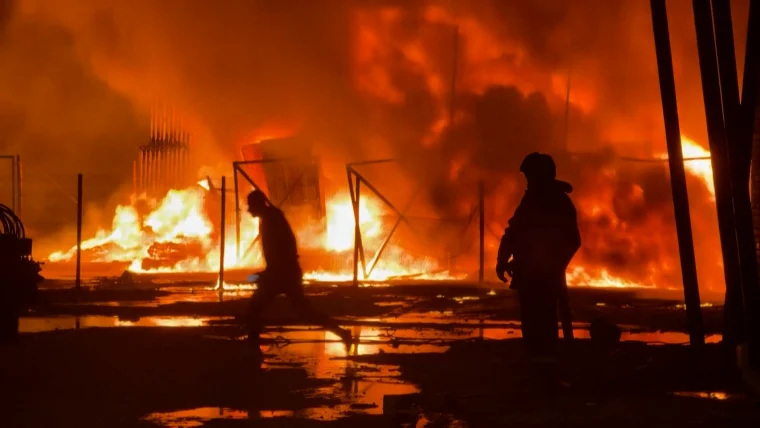
The Russia missile attack on Kyiv early Sunday morning sent shockwaves across Ukraine, as the capital and its surrounding towns endured hours of relentless bombardment. Explosions echoed through residential neighborhoods, fires broke out in multiple locations, and buildings trembled as wave after wave of missiles and drones rained down. Among the weapons launched was the rare Oreshnik intermediate-range ballistic missile — only the third time it has been used since the start of the war.
A Night of Terror in the Ukrainian Capital
For several hours, Kyiv residents huddled in shelters as the skies above their city lit up with explosions. The attack caused widespread destruction, igniting fires and damaging dozens of locations across the capital region.
According to Ukrainian President Volodymyr Zelensky, four people lost their lives and approximately 100 others were injured. Early reports indicated that the strikes hit civilian infrastructure, including two subway station entrances — places where thousands of Kyiv residents typically take refuge during air raids. One of these strikes occurred close to Independence Square, also known as Maidan, a powerful symbol of Ukrainian resistance.
The Oreshnik Missile: A Nuclear Statement, Not Just a Weapon
The Oreshnik missile, designed to carry nuclear warheads, stands out not so much for its destructive capability but for its political weight. Although previous launches in Ukraine used dummy warheads and caused limited physical damage, its deployment is widely interpreted as a form of nuclear intimidation.
Zelensky had publicly warned that Russia was preparing to launch the Oreshnik again, after earlier uses in late 2024 and January 2026. The latest firing comes at a time when Russian forces have suffered notable setbacks on the battlefield. Despite earlier claims that Moscow would soon capture the entire Donbas region, advances in Ukrainian drone warfare have stalled Russian momentum.
Why the Oreshnik Is So Dangerous
This missile is particularly concerning because it splits into multiple warheads during flight, traveling along steep trajectories that current American Patriot air defense systems cannot reliably intercept. Witness accounts from Bila Tserkva, a town roughly 50 miles south of Kyiv, suggest that the missile’s distinctive cluster of fast-moving warheads struck the area. Ukraine’s air force later confirmed the Oreshnik’s involvement in the attack.
For ordinary Ukrainians, the repeated use of such a weapon represents a chilling normalization of nuclear-grade threats in daily life.
Strained Air Defenses After the Iran Conflict
This latest barrage may also reflect a broader strategic shift. With global stockpiles of ballistic missile defense systems significantly reduced following the recent war involving Iran, adversaries of the West may be sensing an opportunity to exploit the shortage.
Ukraine has built a strong arsenal for intercepting drones, both through domestic production and imports, but it remains heavily dependent on American-made Patriot missiles to defend against ballistic threats. Unfortunately, these Patriots are now in critically short supply.
Former Ministry of Defense adviser Yurii Sak openly admitted that Ukraine simply doesn’t have enough interceptors to cope with attacks of this scale, calling it a matter of basic mathematics.
Widespread Destruction Across Kyiv
As morning broke over Kyiv, plumes of smoke rose from nearly 40 different sites damaged by missiles, drones, or falling debris from intercepted projectiles. Among the affected locations was the Chernobyl Museum, which commemorates the 1986 nuclear disaster — an ironic and painful target given the Oreshnik’s nuclear associations.
A local farmers’ market and shopping complex was reduced to smoldering ruins stretching across several city blocks. In one striking image, the iconic golden arches of a nearby McDonald’s had melted and warped in the intense heat of the fires.
Ukrainian news outlet Ukrainska Pravda also reported that one strike collapsed the entrance of a school bomb shelter, trapping people inside.
Emotional Toll on Civilians
The human cost of the Russia missile attack on Kyiv goes far beyond physical destruction. Standing among the wreckage, 63-year-old video editor Liudmyla Postnyk expressed a sentiment shared by many: a desire to confront those responsible. Her words reflected emotions she described as stronger than hatred — an exhaustion born from years of war and repeated trauma.
The Largest Attack Since 2024
According to data compiled by The New York Times using Ukrainian Air Force figures, Sunday’s assault was the largest single attack on Ukraine since December 2024. Russia reportedly launched 90 cruise and ballistic missiles, in addition to a swarm of drones.
Ukrainian defenses managed to intercept most of the cruise missiles and drones, but only 11 out of 33 ballistic missiles were neutralized. The scale of the attack appeared designed to overwhelm Ukraine’s already-stretched Patriot defenses.
Political and Strategic Context
Russia’s Ministry of Defense framed the attack as retaliation for Ukrainian strikes on Russian civilian sites. However, the broader timing suggests something more strategic. The assault follows a string of successful Ukrainian long-range drone attacks targeting Russian oil export facilities — a major blow to Russia’s economic backbone.
Notably, Russia even scaled back its annual Victory Day parade in Moscow earlier this month due to concerns about Ukrainian drone strikes reaching Red Square.
A War Far From Over
The Russia missile attack on Kyiv underscores how the conflict continues to evolve, with both sides leveraging advanced weapons and asymmetric tactics. While Russia attempts to project strength through nuclear-capable missiles, Ukraine is increasingly demonstrating resilience and innovation, particularly through its drone warfare capabilities.
For now, Kyiv mourns its losses and rebuilds once again — a city scarred but unbowed, standing as a defiant symbol of a nation under siege.
Author