Trump Administration Pushes Cold War-Era Plutonium to Nuclear Energy Startups
In a bold and controversial move, the U.S. government appears ready to hand over Cold War-era plutonium to nuclear energy startups as a way to deal with its aging stockpile of weapons material. The plan would allow private companies to take surplus plutonium left over from dismantled nuclear warheads and attempt to transform it into fuel for a new generation of advanced reactors.
The U.S. Department of Energy has selected five companies to enter advanced negotiations under a program designed to make this happen. While supporters see it as a clever way to fuel a nuclear revival, critics warn that the risks may far outweigh the benefits.
What the Program Aims to Do
The initiative, known as the Surplus Plutonium Utilization Program, is intended to breathe new life into America’s nuclear ambitions. According to a spokesperson from the Office of Nuclear Energy, the program is expected to help companies unlock additional private funding, expand domestic nuclear fuel supplies, and drive innovation in American recycling technologies.
In short, the government hopes to turn a Cold War liability into a resource that powers what officials are calling the nation’s nuclear renaissance. By offering surplus plutonium to private firms, the Energy Department aims to spur both investment and technological progress in the advanced reactor space.
The Companies Chosen
Five companies have been selected for advanced negotiations under the program. They are:
- Oklo
- Exodys Energy
- SHINE Technologies
- Standard Nuclear
- Flibe Energy
Among them, Oklo has already shared concrete plans. On Tuesday, the company announced that it intends to partner with newcleo, a Paris-based developer of advanced nuclear reactors, to convert the plutonium into usable reactor fuel.
Oklo’s co-founder and CEO, Jacob DeWitte, framed the program as a solution to a persistent industry bottleneck. He explained that fuel supply constraints are one of the biggest obstacles to developing advanced reactors, and that this program offers a way to use existing surplus material as a bridge fuel to bring more reactors online sooner.
Part of a Broader Nuclear Push
This announcement fits squarely within the Trump administration’s aggressive embrace of nuclear energy. Over the past year, the administration has thrown significant weight behind the industry.
Last year, it unveiled a deal to construct $80 billion worth of new reactors across the United States. The enthusiasm even reached Trump Media, the parent company of Truth Social, which announced plans to merge with private nuclear fusion firm TAE Technologies in a bid to help America win the AI revolution.
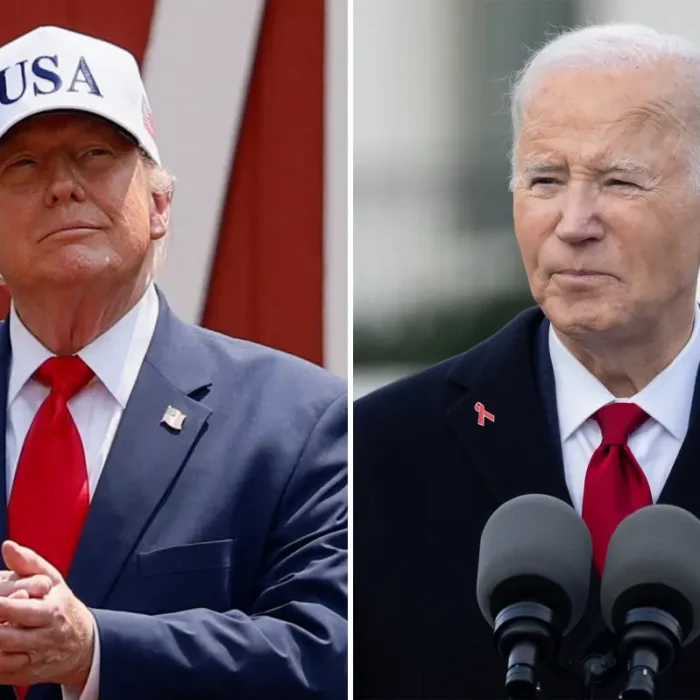
President Donald Trump has also signed several executive orders aimed at accelerating reactor construction. One of those orders reversed the government’s earlier plan to dilute and permanently dispose of surplus plutonium. Instead, it directed the Energy Department to create a program that would process the material and make it available to private companies, laying the groundwork for the current initiative.
Critics Sound the Alarm
Not everyone is convinced this is a wise path forward. The plan has drawn sharp criticism from experts who worry about the security and proliferation risks involved.
The nonprofit Nuclear Threat Initiative has warned that Trump’s executive order could result in the creation of more weapons-usable material. Beyond the domestic concerns, the group cautioned that such a program might encourage countries without nuclear weapons to pursue similar technologies, which could ultimately feed into their own weapons programs.
Scott Roecker, a vice president at the Nuclear Threat Initiative, pointed out that other nations have already tried this approach and walked away from it. He explained that despite the appeal of using plutonium as fuel, those countries concluded it was largely a liability and decided that permanent disposal was the safer option.
A History of Failure
Perhaps the most cautionary note comes from America’s own past. This is not the first time the United States has attempted to repurpose surplus plutonium for nuclear power.
A previous project aimed at doing exactly that ultimately collapsed. After years of mounting costs and repeated delays, the effort was canceled during Trump’s first administration in 2018. That history raises uncomfortable questions about whether the new program can succeed where the earlier attempt so clearly failed.
Weighing the Risks and Rewards
The debate surrounding this initiative captures a fundamental tension in nuclear policy. On one side, supporters argue that turning surplus plutonium into fuel could solve a real supply problem while advancing clean energy goals and reducing a dangerous stockpile.
On the other side, critics insist that the proliferation risks, security concerns, and a track record of failure make the plan more trouble than it’s worth. The disagreement is not merely technical; it touches on questions of national security, international stability, and the responsible handling of some of the most dangerous material on Earth.
What Comes Next
As the Energy Department moves into advanced negotiations with the five selected companies, the fate of the Surplus Plutonium Utilization Program remains uncertain. Much will depend on whether these firms can overcome the technical, financial, and safety challenges that doomed earlier efforts.
For now, the push to channel Cold War-era plutonium to nuclear energy startups stands as a high-stakes experiment, one that could either help power America’s nuclear future or revive old dangers that many experts had hoped were behind us. The coming months and years will reveal whether this gamble pays off or becomes another costly lesson in the long, complicated history of nuclear energy.
Author