Iran’s Internet Flickers Back After 88 Days, But Joy Is Nowhere to Be Found
After 88 days of near-total darkness online, Iran’s internet flickers back to life on Tuesday afternoon, unleashing a flood of long-delayed messages, images, and poems across phones and social media feeds at around 5 p.m. Yet for many Iranians, the moment was anything but a celebration.
Instead of relief, the return of partial connectivity stirred up a complicated mix of scepticism, anxiety, and raw anger. The first wave of posts revealed a population grappling not with freedom regained, but with the weight of everything lost during their forced digital isolation.
A Bittersweet Reconnection
For some, the return brought a fragile, emotional moment. Ellie, a 42-year-old artist from Tehran, connected for the first time since 28 February. She described lighting a cigarette, playing music on SoundCloud, and listening to favorite songs with her husband, Ali.
The couple held back tears before finally crying together, convincing themselves that this small taste of connection hinted at a much greater freedom to come. For Ellie, the moment carried a deep, almost defiant hope tied to her belief in eventual change.
But such tender moments were rare. For most, the restoration felt hollow, even insulting.
“An Absolute Joke”
As the partial restoration made global headlines, regime supporters applauded the government’s move. That reaction left many ordinary Iranians furious.
Maryam, a photographer in Tehran, found the celebrations difficult to stomach. She called it nauseating to watch the applause and described the spectacle of Western media treating partial restoration as an achievement worth praising the regime for. In her view, internet access is a basic right, not a gift to be celebrated.
Her frustration was rooted in real hardship. She explained that more than six weeks had passed since she’d booked an assignment, forcing her to borrow money from her parents. Even with connectivity partly restored, she said she still couldn’t work effectively. Mobile internet remained down, WhatsApp was barely usable, and the only real improvement was that VPNs connected more easily than before.
How the Blackout Unfolded
The path to this moment was long and punishing. Authorities first imposed an internet blackout on 8 January as part of a crackdown on nationwide anti-government protests.
The timeline of disruption looked like this:
- Connections were gradually restored in February.
- A new blackout followed after the start of US and Israeli strikes against Iran in late February.
- Only a small number of people managed intermittent access through expensive VPNs and satellite internet.
For the vast majority, this meant being trapped in total digital isolation, cut off from family, work, and the wider world for nearly three months.
“Hello, Fellow Prisoners”
For those who couldn’t afford the soaring prices of VPNs that rarely worked anyway, Tuesday marked their first chance to post on social media in months. The sense of confinement was palpable in their words.
One Tehran-based student captured the mood on Instagram, greeting others as fellow prisoners and saying it felt like being on temporary leave from prison. The comparison spoke volumes about how the blackout had been experienced not as a mere inconvenience, but as a form of imprisonment.
Suspicion Over the Government’s Motives
Not everyone viewed the expanded connectivity as a step forward. Many treated it with deep suspicion, wondering whether it served the people or the state.
Last month, Iran’s national security council had approved a program called “internet pro,” intended to meet the digital needs of businesses in select sectors, though with significant limitations. While some greeted the wider access with cautious optimism, others saw a darker purpose behind it.
Mina, a 23-year-old protester who was arrested in January, feared the move signaled expanded surveillance rather than genuine restoration. She argued that the regime had no reason to reopen the internet unless it was a way to funnel the population toward “internet pro” or into systems where they could be more easily monitored. She and others have a name for this controlled, censored version of the web: filternet. As she put it bluntly, this is not a sign of freedom.
An Archive of Grief
When the internet returned, it didn’t just reconnect people. It confronted them with a painful record of everything that had happened during their isolation.
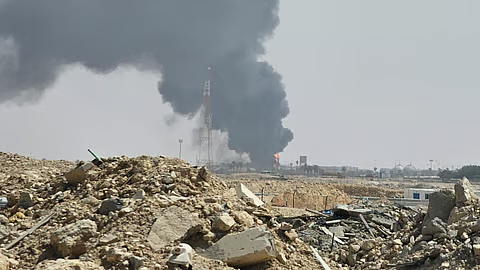
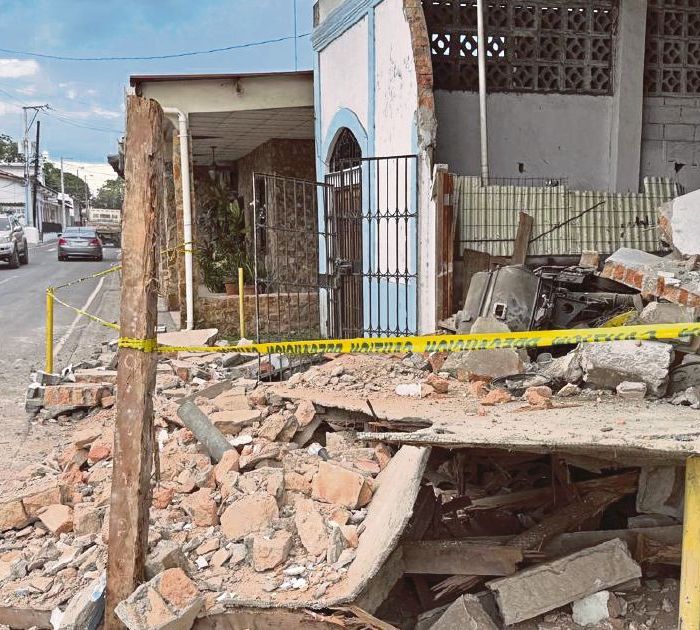
Feeds filled with mourning. Posts memorialized those who had been executed or were awaiting execution. Videos showed grieving mothers clutching photographs of children killed during the January protests, while other images documented the devastation of war. Many Iranians described scrolling through their phones in tears, facing an archive of loss all at once.
Amin, a professor based in Tehran, described accounts overflowing with funeral videos, wailing mothers, screaming fathers, and children lying on the graves of their parents. He said his heart felt heavier than before. In his view, ordinary Iranians were the true losers of the war, not the US, Israel, or the Islamic Republic. They had lost their livelihoods, their youth, and their trust in the international community.
Bitter Humor and Misplaced Hope
Amid the grief, flashes of humor returned, though often laced with bitterness and disappointment. Much of it was aimed at those Iranians felt had let them down.
Moein, an IT professional from Karaj, offered a pointed jab at former hopes pinned on US President Donald Trump, suggesting Trump should close his direct messages because he hadn’t faced the true anger of those who had trusted him to help. He observed that the regime had effectively won the public relations war, since even those who despise the government were now also angry at Trump.
This sentiment reflected a broader sense of abandonment, a feeling that promises of outside help had come to nothing while ordinary people bore the cost.
The Diaspora’s Mixed Emotions
The return of connectivity also stirred complicated feelings among Iranians living abroad. For them, seeing friends and family come back online brought both relief and renewed worry.
Mahshid Nazemi, a 38-year-old human rights advocate based in Paris, described experiencing strange, conflicting emotions of happiness and sadness at once. She felt sad for friends who remained offline and constantly checked their accounts to see if they had reconnected, uncertain whether they had been arrested or killed.
She added that her sister, who relied on the internet for work, had been distressed by the loss of her livelihood and was left with profound grief over images of those killed in January and during the war.
“Our Misery, Not Freedom”
Perhaps no words captured the prevailing mood better than Amin’s reflection on what the reconnection truly represented. For him, the return of the internet was less a restoration of liberty than a reminder of devastation.
He said that what truly came back online was their misery, not their freedom. It’s a haunting summary of a moment that, from the outside, might have looked like progress, but from within felt like reopening a wound.
A Connection Shadowed by Loss
As Iran’s internet flickers back, the experience underscores a painful truth: access alone does not equal freedom. For millions of Iranians, the partial restoration arrived not as liberation but as a confrontation with grief, suspicion, and unresolved trauma.
The flickering return of connectivity has reconnected people to one another, but it has also reconnected them to a record of loss they could not fully process while cut off. Whether this marks a genuine step toward openness or simply a more monitored form of control remains an open and deeply uncertain question.
For now, the voices emerging from Iran tell a story not of celebration, but of a people still searching for the freedom they were promised, and have yet to find.
Names have been changed to protect identities.
Author