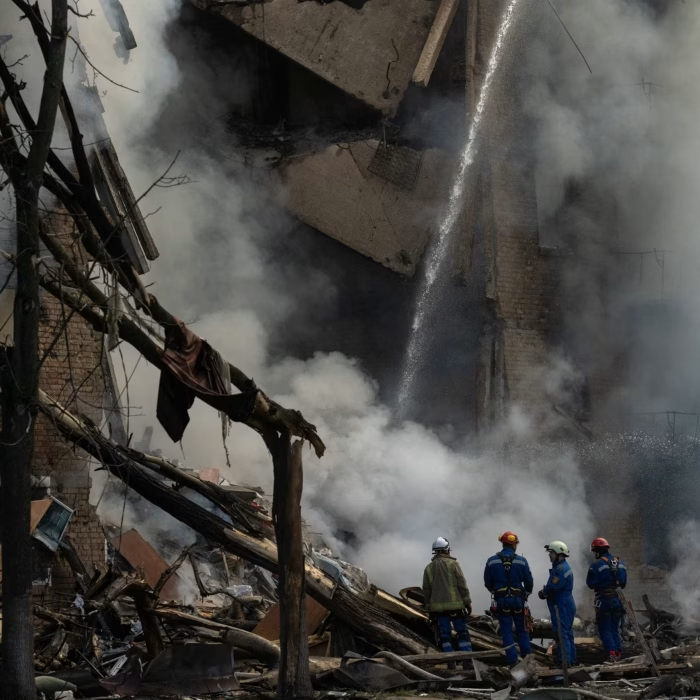
The attack involved an Iranian Fateh-110 ballistic missile aimed at the Ali Al Salem air base. Kuwaiti air defenses managed to intercept the incoming missile, but the danger did not end there. Falling debris from the interception struck the base itself, causing both casualties and equipment damage.
The source, who requested anonymity to discuss details that have not been made public, described the aftermath in concrete terms. Roughly five people were hurt, a group that included both private contractors and active-duty military personnel. Fortunately, all of the injuries were described as minor.
The damage to military hardware, however, was more substantial. One Reaper drone was destroyed outright, while at least one other sustained serious damage. These are not inexpensive losses, as each Reaper carries a price tag of around $30 million.
When approached for comment, U.S. Central Command did not immediately respond.
A Strike Amid Fragile Diplomacy
The timing of the attack underscores just how precarious the current situation has become. The strike landed as the United States considers a deal to extend a ceasefire that has technically been in place since April. In practice, that truce has been anything but stable, with both sides carrying out attacks throughout the supposed pause in hostilities.
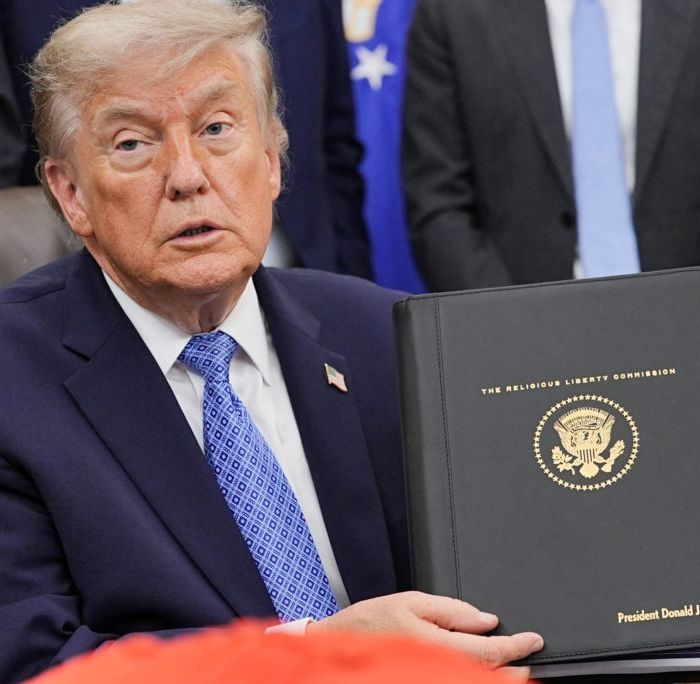
President Trump addressed the matter directly. In a social media post on Friday, he indicated that he was prepared to make what he called a “final determination” on a preliminary agreement. Yet the path forward remains unclear.
A roughly two-hour meeting in the Situation Room on Friday wrapped up without any announcement from the president. According to a White House official speaking anonymously about the private discussions, the gathering ended without resolution, leaving the proposed deal in limbo.
The Mounting Cost of the Conflict
The broader war with Iran has taken a heavy toll on American military resources. The campaign has consumed significant stocks of valuable munitions, including JASSM-ER and Tomahawk cruise missiles. It has also drawn down critical air defense systems such as THAAD, Patriot PAC-3, and SM-3 Block IIA interceptors.
The human cost has been considerable as well. According to the most recent Department of Defense casualty report for the operation, which the U.S. has named Operation Epic Fury, 14 Americans have died and 409 have been injured since the conflict began.
These figures paint a picture of a sustained and costly engagement, one that has stretched American supplies and personnel over an extended period.
Understanding the Fateh-110
The weapon used in this latest attack offers insight into Iran’s capabilities. The Fateh-110 is a short-range ballistic missile capable of carrying a 500-kilogram warhead, equivalent to about 1,100 pounds, according to the Center for Strategic and International Studies.
This particular strike is far from an isolated event. Since the war began on 28 February, Tehran has launched more than 1,850 ballistic missiles at targets across the region. That staggering number illustrates the scale and intensity of Iran’s missile campaign, and helps explain why air defense systems on both sides have been so heavily taxed.
Reading the Larger Picture
The strike on Ali Al Salem captures the central contradiction of the current moment. On one hand, diplomatic efforts are underway, with the U.S. president openly contemplating an agreement that could extend the ceasefire and potentially de-escalate the conflict. On the other hand, missiles continue to fly, drones are being destroyed, and personnel are being injured.
This disconnect between the negotiating table and the battlefield is precisely what makes the situation so volatile. A ceasefire that exists on paper but fails to halt actual attacks creates a dangerous gray zone, where each new incident risks derailing the fragile progress being made elsewhere.
The destruction of expensive equipment like the Reaper drones, combined with injuries to American personnel, adds pressure on decision-makers in Washington. Each such event raises the stakes and complicates the calculus around whether to pursue de-escalation or respond with renewed force.
What Comes Next
For now, the proposed agreement hangs in the balance. Trump’s willingness to make a final determination suggests that a decision may be approaching, but the inconclusive Situation Room meeting indicates that significant questions remain unresolved.
The coming days are likely to prove pivotal. If the ceasefire is successfully extended, this Iranian missile strike on a Kuwait air base may be remembered as one of the final flashpoints before a broader calming of tensions. If the talks collapse, however, it could instead mark another step in an escalating cycle of attack and retaliation.
What remains clear is that despite the diplomatic overtures, the conflict is far from over. As long as missiles continue to be launched and intercepted across the region, the risk of further injuries, equipment losses, and dangerous miscalculation will persist, keeping both military commanders and diplomats on edge.
Author