West Nile Virus Detected in California: What Residents Need to Know to Stay Safe
West Nile virus in California has resurfaced, and health officials are wasting no time sounding the alarm. A dangerous mosquito borne virus has been confirmed in the state, prompting authorities to ramp up surveillance and urge residents to guard themselves against potentially infected mosquitoes.
The discovery serves as an early season reminder that, as the weather warms, so does the threat carried by these tiny insects.
Where the Virus Was Found
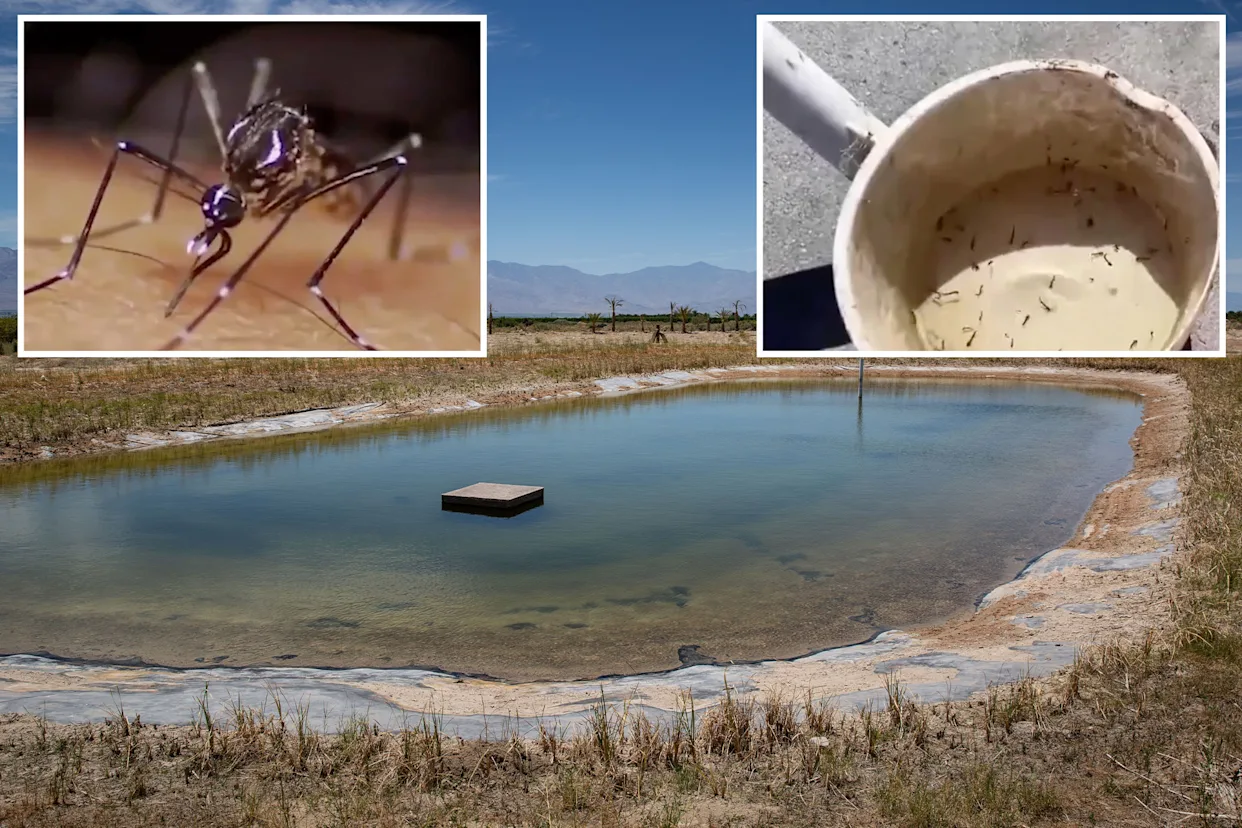
The Coachella Valley Mosquito and Vector Control District announced that a mosquito sample collected in the North Shore community tested positive for West Nile virus. It marks the area’s first detection of the season, a signal that the virus is once again circulating.
The positive sample turned up during routine surveillance near the intersection of Avenue 72 and Cleveland Street. That kind of early catch, officials say, is exactly what their monitoring programs are designed to do.
“Early detection allows us to respond quickly and strategically to help reduce the risk of virus transmission,” said District General Manager Jeremy White in a statement. He added that while the district’s surveillance and control efforts run year round, community participation remains one of the most powerful tools for preventing mosquito breeding and protecting public health.
How West Nile Virus Spreads
Understanding how the virus moves helps explain why prevention matters so much. West Nile virus reaches humans through the bite of an infected female mosquito, one that previously fed on an infected bird. In other words, mosquitoes act as the bridge that carries the virus from wildlife into the human population.
The good news is that most people who contract the virus experience only mild symptoms, and many feel nothing at all. The concern lies with higher risk groups, particularly adults over 50 and anyone with a weakened immune system, who face a greater chance of serious complications.
What Officials Are Doing About It
In response to the positive sample, district crews have intensified mosquito surveillance and control across the affected area. The goal is straightforward: knock down mosquito numbers before the virus has a chance to spread further.
But the experts are clear that they can’t do it alone. Officials are calling on Coachella Valley residents to take an active role, both by eliminating mosquito breeding grounds near their homes and by shielding themselves from bites.
How to Protect Yourself and Your Home
The district recommends a series of simple but effective steps that anyone can follow:
- Dump and drain any standing water from your yard and property, since even small pools can become breeding sites.
- Keep swimming pools and spas properly maintained so they don’t turn stagnant.
- Use EPA registered insect repellents whenever you’re outdoors.
- Wear long sleeves and pants during dawn and dusk, the hours when mosquitoes are most active.
- Report neglected swimming pools or unusually heavy mosquito activity to the district.
That last point is easy to overlook but genuinely valuable. A single abandoned pool can produce enough mosquitoes to affect an entire neighborhood, so flagging problem spots helps the whole community.
Why Community Action Matters Now
Health officials emphasize that stopping the virus depends heavily on community involvement, and the timing couldn’t be more important. As summer approaches, mosquito activity naturally climbs, widening the window for transmission.
For now, there’s a measure of reassurance: no human cases have been linked to this latest detection. Still, the finding is a clear cue to stay vigilant.
Ultimately, the reappearance of West Nile virus in California is less a cause for panic than a call to action. By draining standing water, using repellent, and reporting trouble spots, residents can dramatically lower the risk, not just for themselves but for their neighbors too. A little prevention now goes a long way toward keeping the season safe.
Author