China Tightens Grip on Tiananmen Memory as 37th Anniversary Passes Under Heavy Watch
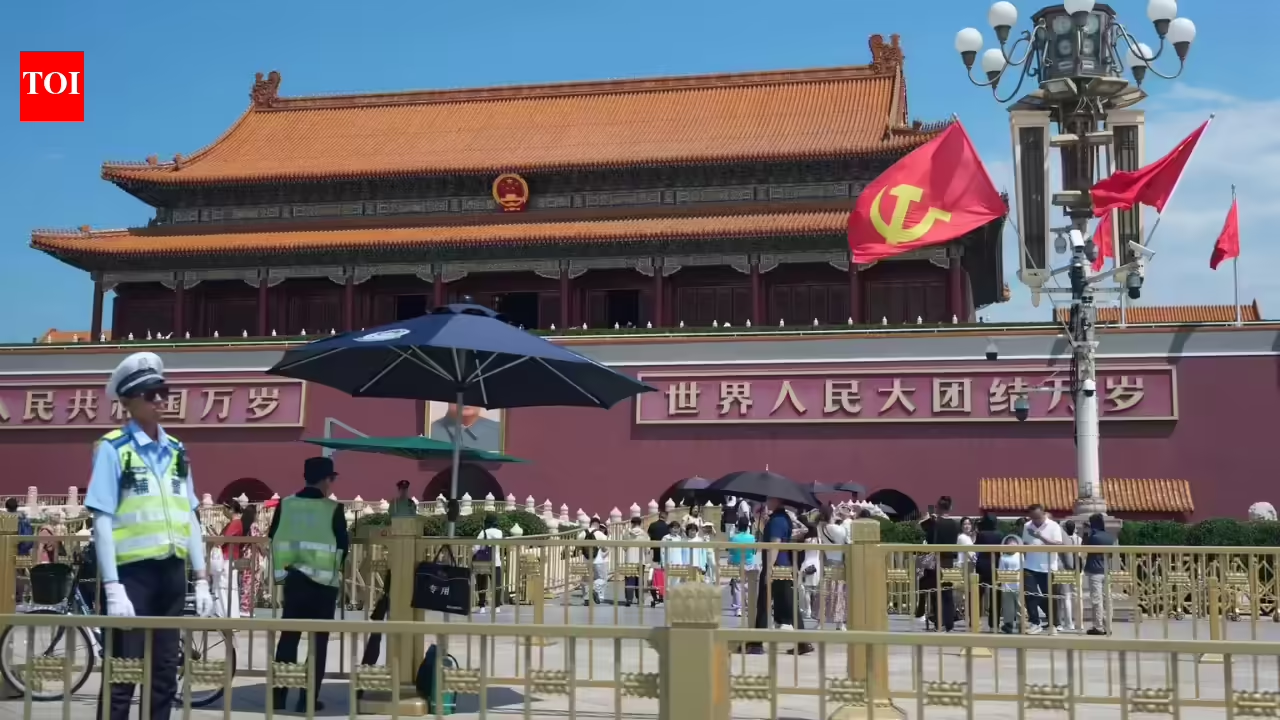
The Tiananmen crackdown anniversary arrived this week under an even tighter blanket of state control, as Chinese authorities moved aggressively to wipe out any trace of public mourning. Thirty-seven years after troops crushed the student-led pro-democracy movement in Beijing, the government appears more determined than ever to ensure the event vanishes from collective memory.
Grieving Families Blocked From Visiting Graves
This year marked a painful new turn for the relatives of those killed in 1989. Police informed family members that they would not be permitted to enter a Beijing cemetery on the day of the anniversary, according to a source familiar with the situation. That person asked not to be named, fearing punishment for speaking out.
For more than three decades, members of the advocacy group known as the Tiananmen Mothers had quietly gathered at the gravesites. According to Amnesty International, they would read memorial tributes to their lost loved ones while police officers stood nearby, watching their every move. This year, even that small act of remembrance was denied to them.
Amnesty described the development as deeply alarming. Sarah Brooks, the group’s deputy director for Asia, said preventing grieving families from visiting the graves of their children was a cold and cruel decision by the authorities. The Beijing Public Security Bureau did not reply to a request for comment.
A Defining Moment in Modern China
The events of 1989 remain one of the most consequential turning points in the country’s recent history. As soldiers pushed through dense crowds attempting to block the military’s path toward the demonstrators in Tiananmen Square, hundreds, possibly thousands, lost their lives. The exact number has never been officially confirmed.
The Communist Party’s decision to deploy the army sent a lasting message. It signaled that while China would embrace sweeping economic reforms, eventually growing into the world’s second-largest economy, those changes would never be matched by political openness. Economic freedom, in other words, would not come with political freedom.
Tiananmen Mothers Demand Truth and Accountability
Ahead of this year’s anniversary, the Tiananmen Mothers released their annual plea for justice. Signed by 107 individuals, the statement called for several things: a full and honest accounting of what happened, financial compensation for victims and their families, and legal consequences for those who ordered and carried out the killings.
The emotional weight of their loss has not faded with time. In a video shared on Facebook, which remains blocked inside China, group member Zhang Xianling spoke of a grief that has no end. She described tears that have long since dried up and a sorrow buried deep within, leaving behind only enduring memory and a lasting anger toward what she called the crime of slaughtering ordinary people.
Washington Speaks Out, Beijing Pushes Back
The anniversary drew statements of solidarity from across the West, with the United States, the European Union, and Britain all posting messages online.
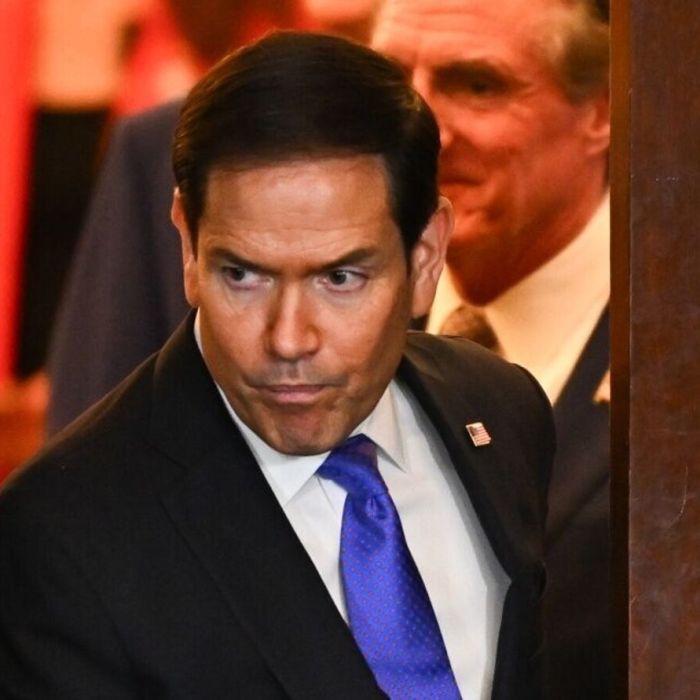
U.S. Secretary of State Marco Rubio offered a pointed message, insisting that no degree of censorship could rewrite history. He argued that those who gave their lives defending the rights to free speech and peaceful protest would, in time, be proven right.
Beijing responded sharply. Foreign Ministry spokesperson Mao Ning rejected Rubio’s remarks as an attack on China’s political system. She urged Washington to stop hiding behind the language of democracy and human rights to meddle in matters she described as purely internal to China.
Hong Kong’s Silenced Vigil
Perhaps nowhere is the shift more visible than in Hong Kong. For years, the city hosted an enormous candlelight vigil that drew massive crowds each June. That tradition ended after authorities banned the gathering in 2020, initially pointing to pandemic restrictions as the reason.
This year, police boosted their presence around the park that once glowed with thousands of candles. Only a few people turned up. Some were allowed to come and go, including a man carrying flowers and an activist who said she bowed thirty-seven times in tribute. At least three others, however, were taken away by officers.
Former participant Simon Ng chose a quieter form of remembrance, strolling through the nearby Causeway Bay shopping area. He explained that there are memories he simply cannot release, which is why he felt compelled to come and walk.
Jailed Organizers Mark the Day From Behind Bars
The crackdown has also reached those who once organized the vigils. Three of them now face charges under the national security law introduced in 2020. One pleaded guilty in hopes of a reduced sentence, while the other two have stood trial and are still waiting for a verdict.
Among them is lawyer Chow Hang-tung. In a message published online over the weekend, she announced plans to begin a 37-hour hunger strike inside prison. She wrote that beneath the shine of power and authoritarian rule lies the suffering and shattered hopes of everyday people, warning that forgetting the past is itself the death of democracy.
Her stance inspired support beyond the prison walls. Former district councilor Derek Chu shared on Instagram that he visited Chow and pledged to join her in fasting for 37 hours. He also noted that his shop is handing out LED candles so people can quietly honor the victims.
Remembrance Endures Elsewhere
In Taiwan, an annual vigil still took place, though heavy thunderstorms kept attendance to around 200 people. Tensions with Beijing remained high. China, which views the self-governing island as its own territory, announced sanctions on four New Zealand lawmakers in response to their recent trip to Taiwan.
Despite mounting pressure, acts of remembrance, however small, continue to surface, suggesting that the effort to erase the past has not fully succeeded.
Author