A Sudden Change in Plans
The much-anticipated U.S.-Iran talks hit an unexpected snag this week after Vice President JD Vance postponed his planned trip to Switzerland. According to the White House, the negotiations had been expected to begin on Friday, but Vance’s departure was put on hold at the last minute.
Officially, the reason given for the delay was simply “logistics.” Yet behind the scenes, signs suggest the decision may be tied to far more complicated tensions unfolding in the region, particularly the fragile ceasefire in Lebanon.
What the White House Is Saying
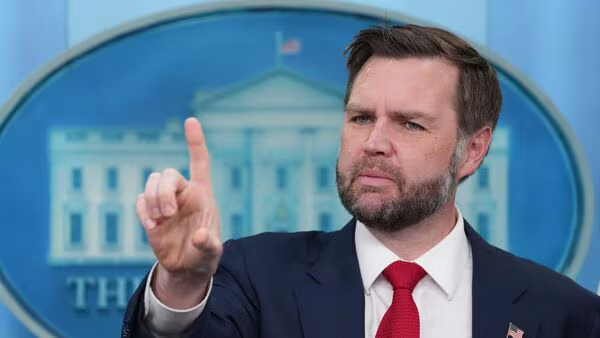
Speaking at a press conference on Thursday, Vance acknowledged that the arrangements for the talks were still not fully locked in. He pointed to potential travel and technical difficulties facing Iranian officials as part of the holdup.
In a statement released Thursday night, the White House emphasized that the American delegation was ready to move quickly once the path became clear. Officials noted that the U.S. team had been prepared to leave at the earliest opportunity, but stressed that diplomacy of this nature is rarely simple or predictable.
For now, the message was one of patience. The administration confirmed that Vance would not be departing that evening, while expressing hope that technical discussions could begin as soon as possible.
Iran Gives the Green Light
The timing of the delay was notable, coming just hours after a significant development out of Tehran. On Thursday afternoon, Iran’s Supreme Leader Mojtaba Khamenei authorized Iranian negotiators to engage in direct talks with the United States.
However, the approval came with a clear caveat. Khamenei made a point of stressing that allowing the talks did not mean Iran accepted the views of its adversaries.
Several hours later, Iran’s chief negotiator, Speaker of Parliament Mohammad Bagher Ghalibaf, issued his own statement. He thanked Khamenei and pledged to hold firm on Iran’s red lines throughout the negotiations. Notably, he made no mention of any disruption or change to the schedule.
The Lebanon Connection
While logistics were the official explanation, a U.S. official offered a different perspective. According to that source, Tehran’s complaints about alleged Israeli violations of the Lebanon ceasefire may be the real reason the Friday talks were delayed.
The context surrounding this is tense. Earlier on Thursday, Israel’s military carried out a strike in southern Lebanon that killed four people. The situation escalated further as the day wore on.
Later that night, after a statement from the Israeli ambassador and before Vance confirmed he would not be traveling, fierce fighting broke out between Israeli forces and Hezbollah in southern Lebanon. The renewed clashes added a volatile new layer to an already delicate diplomatic moment.
Trump Calls for Peace
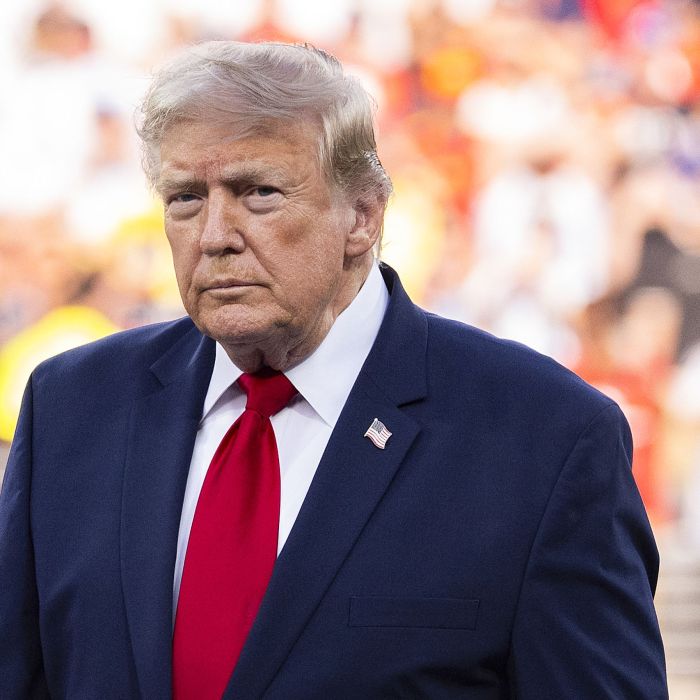
As tensions mounted, President Donald Trump weighed in publicly. Writing on Truth Social Thursday afternoon, he declared that the United States remains firmly committed to peace and urged all parties in the region to give the negotiations room to succeed.
Trump expressed hope that the talks would, in his words, unfold beautifully. He also laid out a clear expectation, calling for a complete ceasefire across all fronts, specifically naming Lebanon, Hezbollah, and Israel.
His message set the stage for a flurry of responses from key figures across the region.
Regional Leaders Respond
The reactions came quickly. Lebanese Speaker of Parliament Nabih Berri issued a statement reaffirming Lebanon’s stance and Hezbollah’s commitment to the ceasefire. However, he attached an important condition, insisting that this commitment depended on Israel fully and comprehensively honoring the agreement.
He framed this reassurance as a way to help clear the path for the U.S.-Iran negotiations in Switzerland.
Israel soon offered its own position. The Israeli ambassador to Washington, Yechiel Leiter, wrote on social media that his country remains committed to the ceasefire agreement with the Lebanese government.
Leiter added a firm warning alongside that commitment. He stated that the ceasefire would hold as long as Hezbollah did not violate it. At the same time, he made clear that Israel reserves the right to respond to any attacks and to act against threats to its territory, citizens, and soldiers under any circumstances.
A Delicate Diplomatic Moment
The postponement highlights just how interconnected the various conflicts in the region have become. What was meant to be a focused round of U.S.-Iran talks now appears entangled with the broader instability surrounding Lebanon and the ongoing friction between Israel and Hezbollah.
Each move on one front seems to ripple across the others. A single airstrike, a sharp statement, or a renewed outbreak of fighting can shift the entire diplomatic landscape within hours.
What Comes Next
For now, the future of the negotiations remains uncertain. Both the United States and Iran have signaled a willingness to talk, yet the conditions surrounding those talks remain fragile and easily disrupted.
The coming days will likely reveal whether the delay was truly a matter of logistics or a strategic pause driven by deeper regional tensions. Either way, the world will be watching closely to see if diplomacy can find a foothold amid such a volatile backdrop.
As all sides continue to navigate competing interests and longstanding grievances, the hope for meaningful progress hangs in a delicate balance, one that could tip in either direction with little warning.
Author