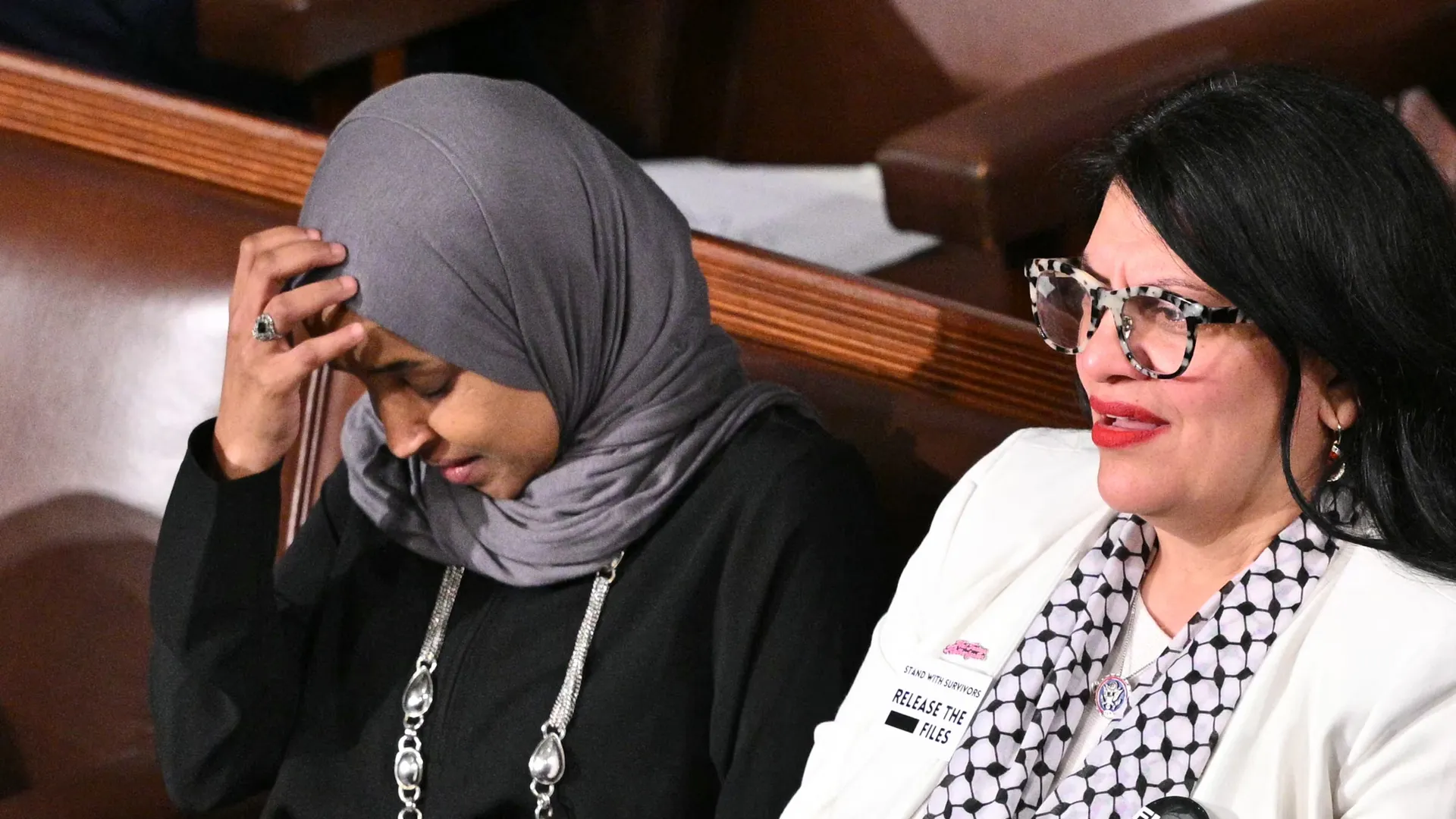
A Lebanon war powers resolution pushed to the House floor by Representative Rashida Tlaib of Michigan went down in a lopsided defeat on Thursday, as most House Democrats joined Republicans to reject it. The outcome dealt a setback to the anti-war left just a day after the chamber had passed a similar measure aimed at limiting President Trump’s ability to wage war in Iran.
A Decisive Defeat
The numbers told the story. The House voted 92 to 324 against Tlaib’s resolution, which would have directed Trump to withdraw all U.S. armed forces from Lebanon within seven days of passage.
Democrats themselves were sharply divided, but opposition prevailed. Of the party’s members, 117 voted against the measure while 91 supported it. A single Republican backed the resolution, and two Democrats voted present.
Why It Matters
The defeat is striking precisely because of what happened the day before. On Wednesday, the House passed a comparable measure constraining Trump’s options in Iran, an achievement that grew out of months of quiet maneuvering by Democratic leadership to bring the party’s most firmly pro-Israel members on board, along with a handful of Republicans.
Thursday’s vote exposed the limits of that unity. While Democrats could rally around the Iran measure, the Lebanon resolution laid bare the persistent rift between progressive and centrist lawmakers over Middle East policy. The party’s cohesion on one front did not carry over to another.
Leadership Comes Out Against It
House Minority Leader Hakeem Jeffries and his top deputies publicly opposed the resolution before the vote, framing their objection around the situation on the ground. In a statement, they argued there are no U.S. service members involved in combat operations or hostilities in Lebanon, undercutting the premise of a measure designed to pull troops out.
The leaders also emphasized solidarity with Lebanon itself, saying they stood with the Lebanese people, the government, and the Lebanese Armed Forces in their efforts to live peacefully and defeat Hezbollah.
A Possible Alternative
Rather than rejecting the underlying concerns outright, Jeffries and his deputies pointed toward a different path. They signaled they would support an alternative resolution, one that would preserve U.S. coordination with the Lebanese Armed Forces in their campaign against Hezbollah.
That distinction captures the broader tension at play. For leadership and many centrist Democrats, the goal is not severing engagement but maintaining a cooperative role, a stance squarely at odds with the more sweeping withdrawal that Tlaib and her progressive allies sought.
As the dust settles, the back-to-back votes on Iran and Lebanon offer a revealing snapshot of where the party stands: capable of unity when the conditions align, yet still split along familiar fault lines whenever the question turns to the scope and limits of American involvement in the region.
Author