The US and Iran exchange of fire intensified once again on Saturday morning, delivering another dangerous jolt to an already shaky ceasefire in the Middle East. The fresh round of strikes has deepened fears that the fragile truce could unravel entirely, just as negotiators scramble to keep it alive.
What began as a defensive military response quickly spiraled into a broader confrontation that pulled neighboring Gulf states into the line of fire. Kuwait and Bahrain both scrambled to issue air raid alerts as the situation escalated within hours.
How the Latest Clash Unfolded
According to the US military, the day’s events were set in motion when American forces shot down four Iranian drones heading toward the strait of Hormuz. In response, US forces struck coastal surveillance radar sites along the Iranian shoreline.
US Central Command (Centcom) described the drones as an immediate danger to regional shipping, stating they threatened maritime traffic in the area. The strikes on the radar installations, officials said, were carried out to guard against any further attacks.
Iran did not stay quiet for long. Within hours, the country’s Revolutionary Guards announced they had targeted what they called “enemy bases” across the Gulf, retaliating for the American strikes on Sirik and Qeshm Island.
Gulf Neighbors Caught in the Crossfire
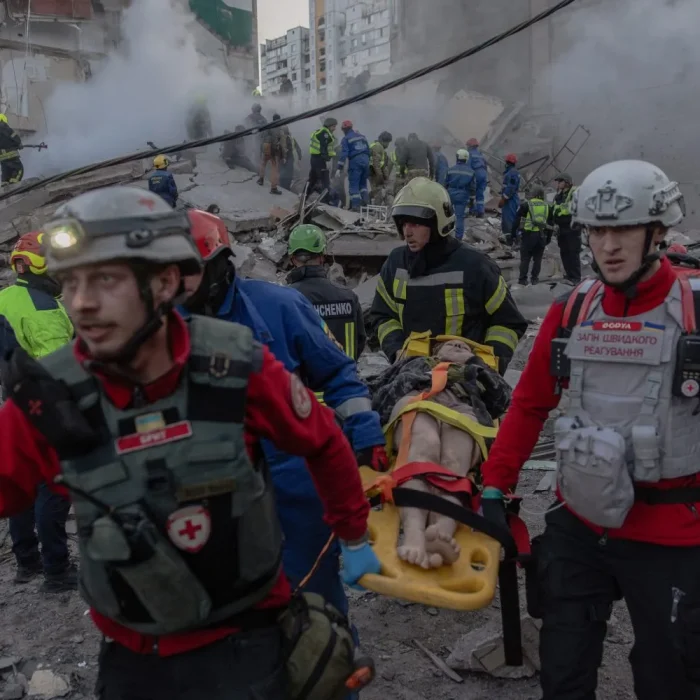
The retaliation spread the danger well beyond the two main combatants. Kuwait’s military reported early Saturday that it was responding to hostile missile and drone attacks. The alarm came just days after a strike on the country’s international airport left one person dead and dozens injured.
Centcom offered specifics on the scale of the assault, reporting that Iran launched seven ballistic missiles toward Kuwait and Bahrain. Of those, six were intercepted, while a seventh failed to reach its intended target.
The US also moved swiftly to knock down Iranian claims of success. Centcom stated there were no reports of any harm to American personnel and flatly denied Iranian assertions that the US 5th Fleet headquarters in Bahrain had been damaged.
The Battle Over the Strait of Hormuz
At the heart of this confrontation lies the strait of Hormuz, one of the world’s most critical shipping corridors for oil and natural gas. The US military has been enforcing a blockade on Iranian ports, a direct response to Tehran tightening its grip on the waterway.
That chokehold has rattled global markets. Energy prices have climbed sharply as the standoff continues, adding economic pressure to an already volatile geopolitical crisis.
Trump Strikes an Optimistic Tone
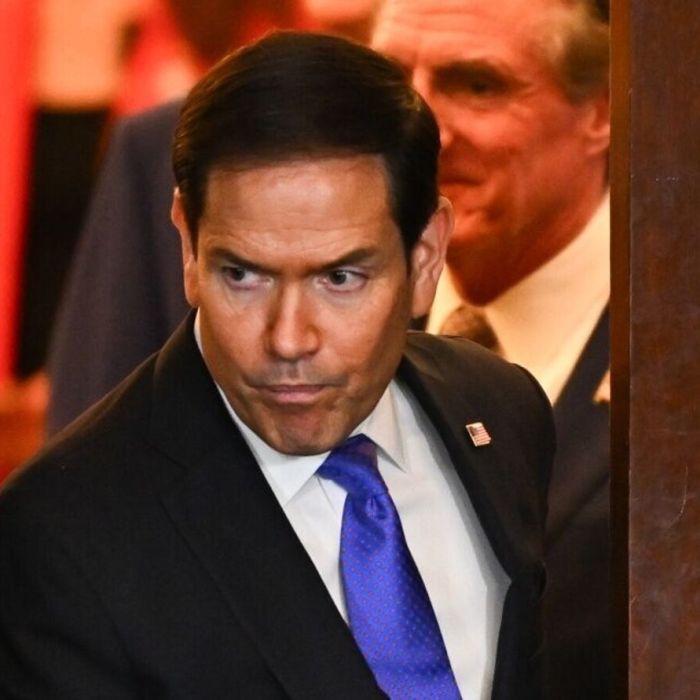
Despite the renewed hostilities, President Donald Trump projected confidence. Speaking to reporters on Friday at an event with farmers in Wisconsin, he claimed the situation with Iran appeared to be heading in a positive direction.
Trump suggested a resolution was near, framing the outcome in stark terms:
- A diplomatic deal — “a piece of paper”
- Or what he called “the very tough way”
He insisted the US would exit the conflict quickly and emerge in a strong position either way.
When pressed by NBC about why a resolution was taking so long, Trump pointed to the difficulty Iran faces in accepting the terms, citing the country’s pride and independence. He suggested Iranian leaders were being forced into concessions they never imagined making, and that adjusting to that reality simply takes time.
Conflicting Claims on Iran’s Arsenal
Trump also offered an updated assessment of Iran’s remaining military capability — one that didn’t quite line up with his earlier statements. He estimated that Iran still holds more than 20% of its missile stockpile, somewhere around 21 or 22%.
That figure marked an increase from the 18% he had cited just a month earlier, and it sat awkwardly alongside his frequent boasts of having entirely dismantled Iran’s ability to wage war. He acknowledged Tehran still possesses both missiles and drones, conceding it retains real capacity.
Pressure Mounts at Home
The conflict has become a political liability for Trump as midterm elections approach. The war has unsettled financial markets and proven unpopular with American voters, raising the stakes for finding an exit.
For weeks, US and Iranian negotiators have worked to extend the ceasefire by 60 days and launch a new round of talks focused on Iran’s nuclear program. Progress, however, has stalled. Both sides keep pushing for changes to the agreement, and neither appears willing to budge.
The Lebanon Complication
The administration has also highlighted a separate ceasefire reached this week between the Lebanese government and Israel, brokered through US-led talks in Washington. But that agreement rests on shaky ground.
Iranian-backed Hezbollah, which was left out of the negotiations, has rejected the deal outright. New attacks have already erupted from both sides since then.
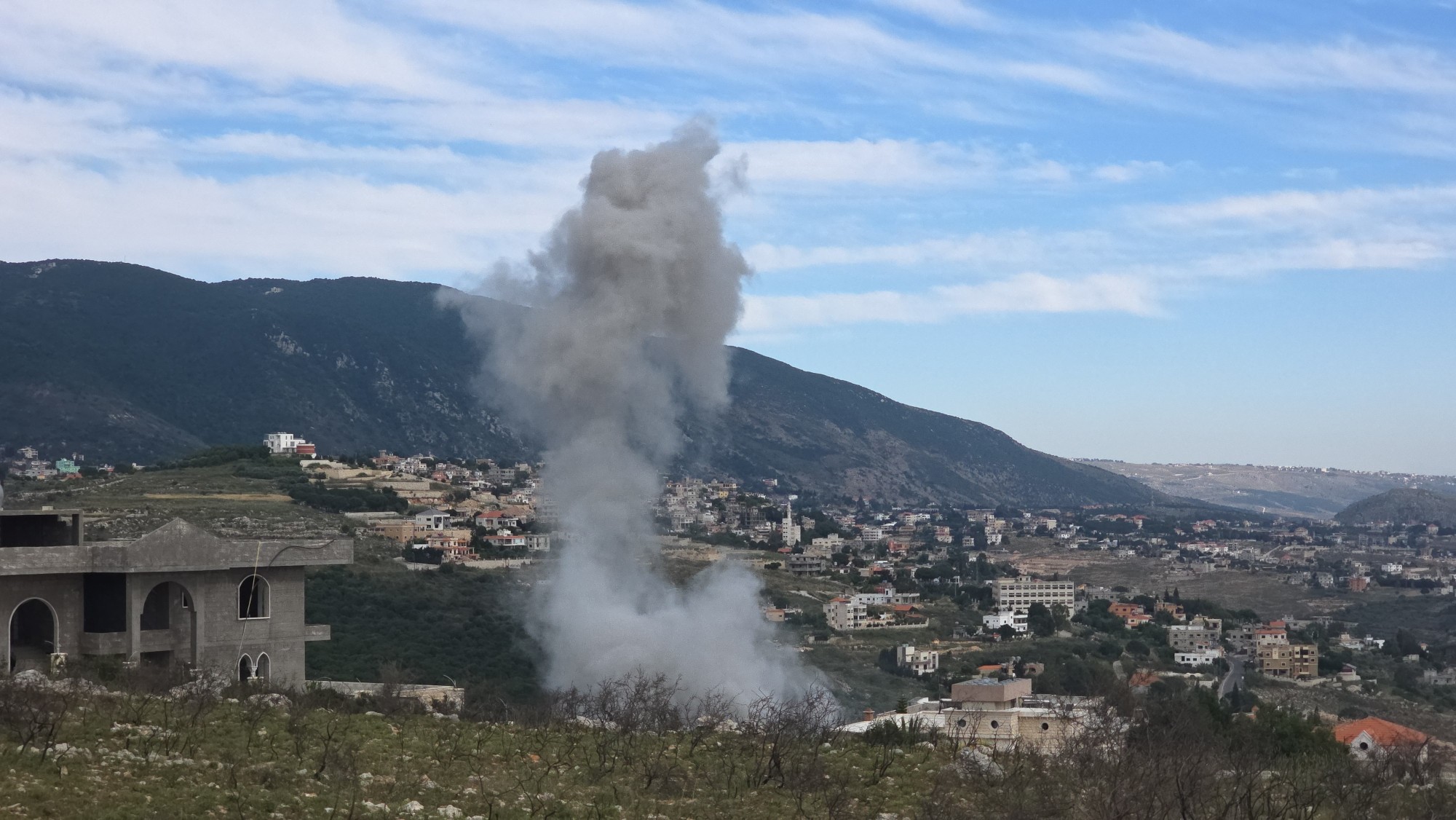
On Friday, the Israeli military struck multiple areas across southern Lebanon and issued evacuation warnings for several villages — including one sheltering thousands of people already displaced by the fighting. Israeli forces have seized large portions of southern Lebanon, further complicating the broader picture.
This matters because Lebanon and Iran are now tangled together diplomatically. Iran has demanded that any lasting truce must also cover Lebanon, meaning the fate of one conflict is increasingly bound to the other — and to the reopening of the strait of Hormuz.
As the strikes continue and trust erodes, the path toward a durable peace looks narrower than ever. Each new exchange of fire chips away at an agreement that was already hanging by a thread.
Author