The claim that 250,000 noncitizens voter rolls in four states are illegally populated has become a centerpiece of the Trump administration’s election messaging. The number is dramatic. The evidence supporting it is considerably thinner than the way it has been presented.
How the Claim Was Made
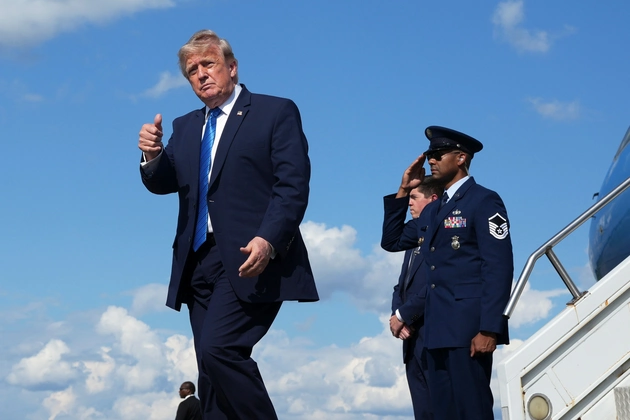
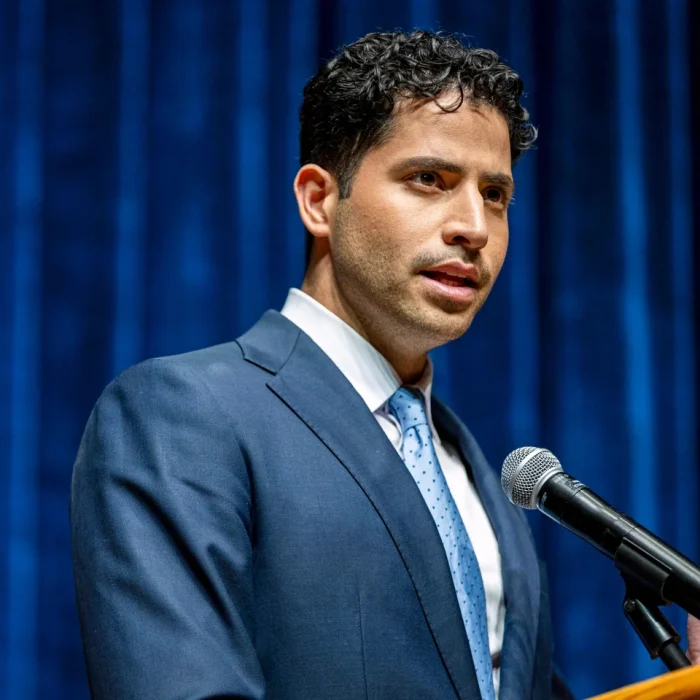
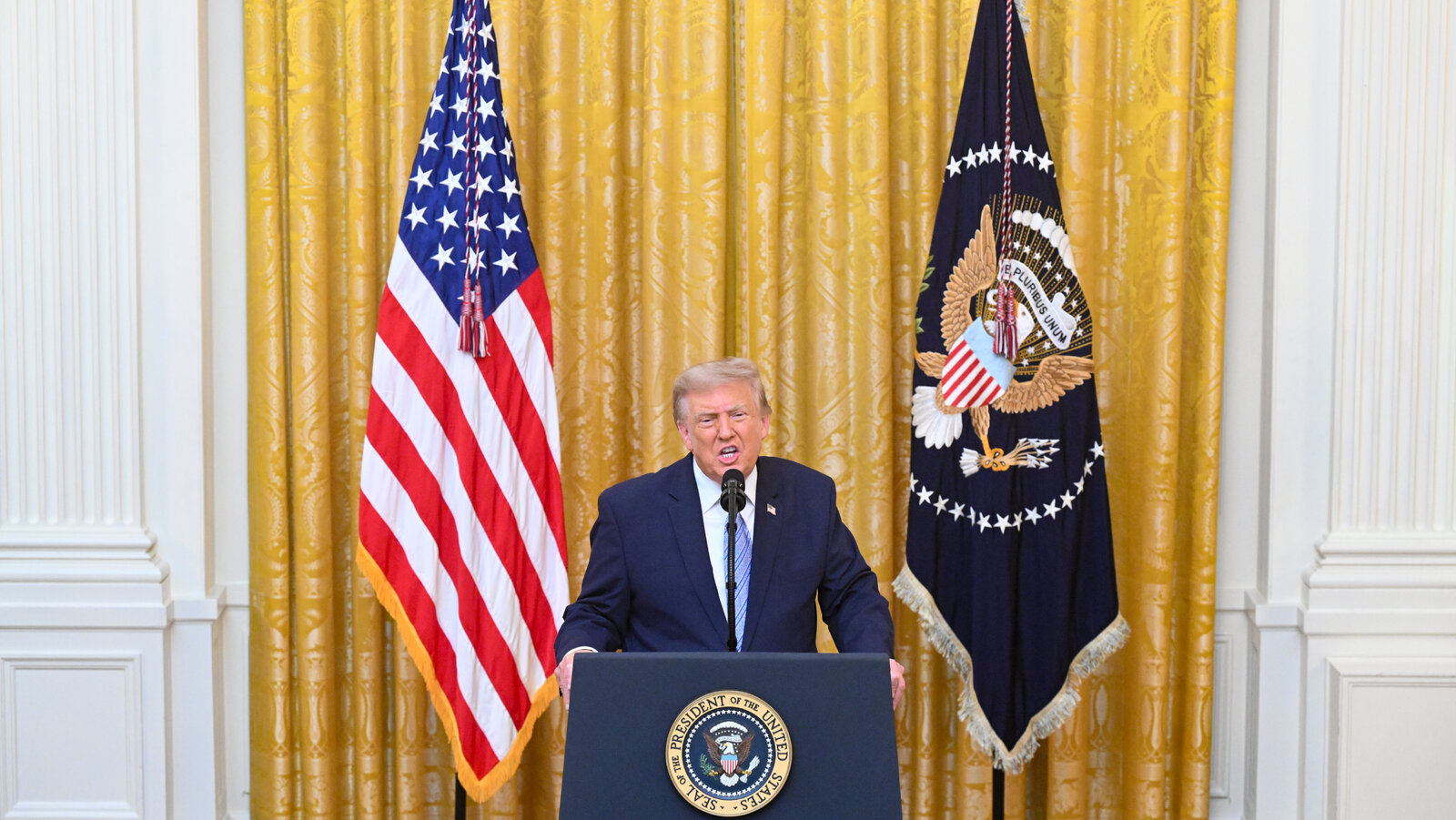
President Donald Trump and Homeland Security Secretary Markwayne Mullin raised noncitizen voting in back-to-back appearances, framing it as a threat to the integrity of American elections.
Trump’s July 16 primetime address pushed lawmakers to advance the SAVE America Act, which would require a government-issued photo ID to vote and documentary proof of citizenship — a passport or birth certificate — at registration. The bill remains stalled in the Senate amid concerns about disenfranchising eligible voters.
Alongside the address, the Department of Homeland Security released documents asserting that more than 250,000 noncitizens are illegally registered across four states.
Mullin repeated the figure at a July 17 news conference, stating flatly that 250,000 noncitizens had been identified as registered voters in four states.
The Four States Named
DHS broke the count down this way:
- California: 190,832
- New Jersey: 35,152
- Nevada: 15,903
- Pennsylvania: 14,576
All four are led by Democratic governors. In every case, the figure represents less than 1 percent of that state’s registered voters.
A Gap Between the Paperwork and the Podium
The most immediate problem is one of language.
DHS letters to state officials described the effort as a preliminary review and said there may be as many as the number found. That is hedged, provisional wording.
Mullin dropped the hedge. At his press conference, he did not describe the individuals as potential noncitizens. He called them noncitizens.
Neither Mullin’s remarks nor the department’s press release explained how the number was produced. A response to PolitiFact’s inquiry provided no additional detail.
Where the Data Likely Came From
David Becker, an elections expert who attended a White House briefing, said an official there indicated the comparisons relied on commercial data.
That matters technically. Commercial data typically lacks personally identifiable information such as driver’s license or Social Security numbers, which are what allow a reliable match against public voter files. Speaking in a July 17 webinar, Becker warned that the absence of those identifiers produces a large volume of false matches.
Separately, several states have used SAVE — the Systematic Alien Verification for Entitlements system — to generate initial estimates of noncitizens on their rolls, encouraged by the administration. SAVE is a federal service agencies use to check immigration status for benefits like Medicaid, housing loans and unemployment compensation.
But DHS said the four states in question had not used SAVE, leaving the actual methodology behind the 250,000 figure unexplained.
The States Push Back
Officials in the named states responded with skepticism.
Nevada Secretary of State Francisco Aguilar said the numbers were wildly speculative at best and that DHS had shared nothing to substantiate them.
Pennsylvania Secretary of State Al Schmidt said all available evidence indicates noncitizen voting is extremely rare nationwide, and that his state would review whatever DHS provides to assess the claims.
Why History Argues for Caution
Large initial counts of noncitizen registrants have a consistent track record: they shrink, often dramatically, once anyone examines them closely.
The clearest example comes from Florida in 2012, when Gov. Rick Scott ordered a purge of noncitizens from the rolls ahead of the election.
The state’s first list contained roughly 180,000 names. Scrutiny reduced it to about 2,600. Then 198. Then 85.
The original list was riddled with errors. Among those flagged was a Brooklyn-born World War II veteran.
Texas encountered similar problems. In April, then-Secretary of State Jane Nelson wrote to federal immigration officials raising accuracy concerns, according to Votebeat. The state had flagged roughly 2,000 potential noncitizens.
Nelson reported that county registrars had obtained citizenship documentation from Texas voters whom SAVE had flagged as potential noncitizens. She noted that state driver’s license records sometimes fail to reflect a person’s current citizenship status.
She also described clerical failures on the government’s side — instances where registrars mistakenly registered people who had correctly indicated on their applications that they were not citizens.
The Question Nobody Answered: Did They Vote?
Registration and voting are two different things, and the distinction is where the claim loses most of its force.
Neither Mullin nor his department said how many of the 250,000 actually cast ballots, or over what timeframe. The rhetoric implies illegal voting occurred without establishing it.
State-level reviews suggest the number would be small:
- Georgia identified about 139 votes cast by noncitizens out of 32 million ballots since 1992
- Ohio’s Republican Secretary of State Frank LaRose referred 597 apparent noncitizen registrants for prosecution in 2024, of whom 138 had voted
- Iowa cut its 2025 estimate from more than 2,100 potential noncitizen registrants down to 277, and found 35 counted ballots in the 2024 general election
What the Research Says
Noncitizen voting in federal elections is illegal, and violations are routinely investigated and prosecuted.
The Bipartisan Policy Center concluded in February that there is no evidence noncitizen voting has ever occurred at a scale sufficient to affect an election outcome.
Trump has highlighted noncitizen voting allegations for more than a decade. The persistence of the claim has not been matched by accumulating evidence.
The Broader Context
The dispute unfolds as the administration seeks voting data from states ahead of the 2026 midterms. Many state leaders have declined to hand it over, and judges have blocked several attempts to obtain it.
That fight gives the 250,000 figure a purpose beyond description. It functions as an argument for why the SAVE America Act should pass and why federal access to state voter files is necessary.
Bottom Line
The number DHS produced is real in the sense that a database comparison generated it. What remains unestablished is nearly everything that would make it meaningful.
There is no published methodology, no confirmation that the matches are accurate, no evidence the flagged individuals voted, and a long historical record of similar counts collapsing under review.
Presenting a preliminary, unverified list as a confirmed finding is where the claim moves from incomplete to misleading.
Author