For a second consecutive night, US strikes on Iran lit up the skies over the Islamic Republic — and Iran answered by firing across the Gulf, triggering sirens in Bahrain, interceptions over Jordan, and warnings in Kuwait.
The conflict is no longer contained to two countries. It is spilling across an entire region.
What the US Hit
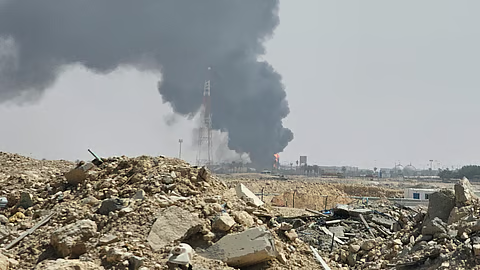
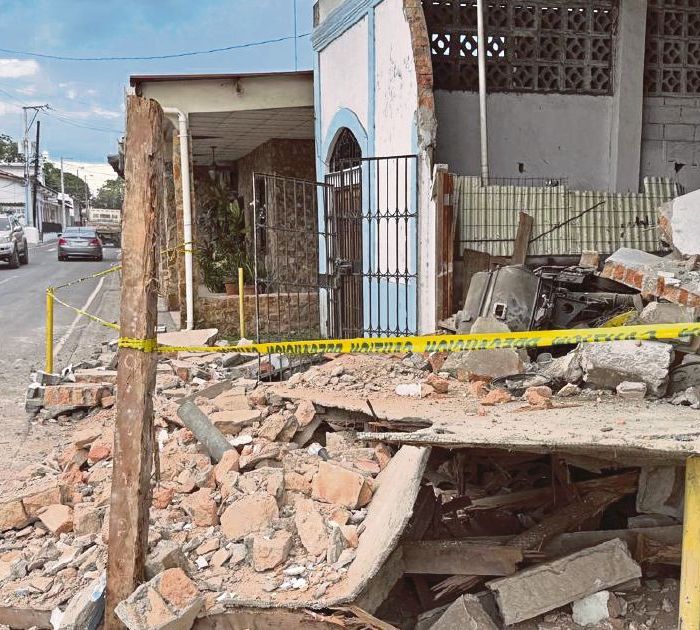
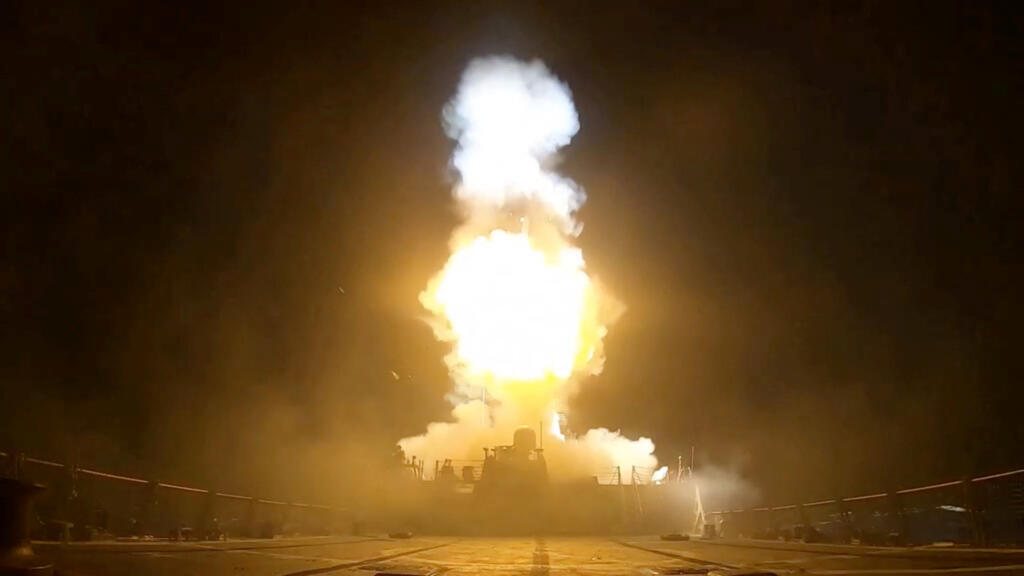
The American military said it struck dozens of Iranian military targets in an hourslong operation.
Iranian state media confirmed its forces were responding.
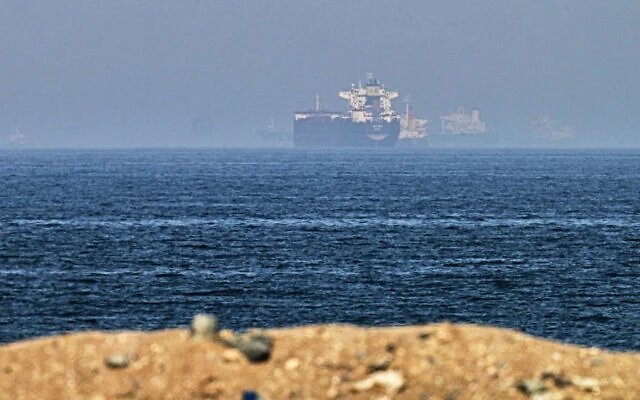
The trigger, according to a US military spokesperson, was another attack by Iran’s Islamic Revolutionary Guard Corps on a commercial vessel in the Strait of Hormuz.
That waterway remains the fulcrum of the entire crisis.
The Strait at the Center of Everything
Washington and Tehran continue to issue directly contradictory claims about whether maritime traffic is actually flowing through the Strait of Hormuz.
The disagreement is not academic.
Control of the strait represents Tehran’s single greatest source of leverage in any negotiation. Roughly a fifth of the world’s traded oil and gas has historically passed through it. Iran’s ability to threaten that flow is its most effective non-nuclear weapon.
Which is why attacks on shipping keep happening — and why the US keeps responding with force.
Iran Strikes Back Across the Gulf
Tehran claimed it launched a fresh wave of strikes toward US bases across the region.
The consequences were felt in multiple countries simultaneously:
- Bahrain: Air raid sirens activated
- Kuwait: The military reported it was dealing with “hostile aerial targets”
- Jordan: The military intercepted four missiles
Jordan’s Interception
Jordan News Agency reported the interception on Monday morning local time, citing the country’s armed forces.
“Four missiles that entered Jordanian airspace from Iranian territories have been intercepted and drowned,” the agency stated.
The significance here is worth pausing on. Jordan is not a combatant. It is a country whose airspace has become a corridor for missiles it did not invite and must now shoot down at its own expense and risk.
The same applies to Bahrain and Kuwait. Gulf states with no direct role in the American-Iranian confrontation are absorbing its consequences.
The Markets React
The economic response was immediate.
Brent crude and US crude prices both climbed more than 3% on Sunday following the weekend of attacks.
That movement reflects a simple calculation: if the Strait of Hormuz becomes genuinely unusable, global energy supply tightens sharply and prices follow.
Traders are pricing in the possibility. They are not yet pricing in the certainty.
Why the Cycle Keeps Repeating
The pattern of this conflict has become grimly legible.
Iran attacks a commercial vessel in the strait. The US strikes Iranian military targets in response. Iran retaliates against American bases in the Gulf. Gulf nations intercept what they can. Oil prices rise. And then it happens again.
Each round is framed as a response to the previous one. Neither side describes itself as escalating.
The Regionalization Problem
The most dangerous development is not the intensity of the strikes. It is the geography.
When missiles cross Jordanian airspace, when sirens sound in Bahrain, when Kuwait scrambles to identify hostile aerial targets — the war has structurally changed.
These countries host American facilities. That makes them targets. But they are also sovereign nations with their own populations, their own airspace, and their own calculations about how long they can tolerate being caught between two powers.
Every additional night of this raises the pressure on them.
What to Watch
Several questions will determine whether this continues to spiral:
- Will Iran halt attacks on commercial shipping, or continue using the strait as leverage?
- How long will Gulf states tolerate serving as an unwilling battlefield?
- Do oil prices climb from elevated to disruptive?
- Is there any negotiating channel still functioning beneath the exchange of fire?
For now, the answer to that last question appears to be: not one that is working.
Two nights of strikes. Dozens of targets. Missiles over three countries. And a waterway that neither side can afford to lose control of.
Author