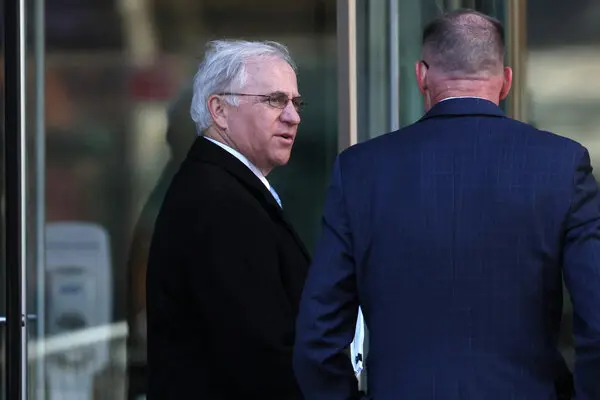
In a move that quickly drew attention, Trump pardons Stephen Buyer — a former Republican congressman from Indiana who spent nearly two years behind bars for illegal stock trades. The pardon brings an official end to a case that Buyer has long insisted was unjust, even as he maintains he committed no crime at all.
The decision, dated Thursday, was released by the White House late on Friday night, capping a months-long campaign by Buyer’s allies to win him a presidential reprieve.
The Case Against Buyer
Buyer’s legal troubles stemmed from trades he made after leaving Congress, while working as a consultant and lobbyist. In 2023, he was sentenced to 22 months in prison for those trades, which prosecutors said were based on inside information.
The financial penalties were significant. Buyer was ordered to forfeit more than $350,000 — the amount representing his illegal gains — and to pay an additional $10,000 fine. He was released from prison in 2025.
His legal options had largely run out before the pardon arrived. In May, the Supreme Court rejected Buyer’s appeal without comment and without any noted dissent, effectively closing the door on his bid to overturn the conviction through the courts.
What the Trades Involved
The charges centered on two specific deals where Buyer was accused of trading on nonpublic information.
The first involved the massive $26.5 billion merger between T-Mobile and Sprint, which was announced in April 2018. The second concerned illegal trades in the management consulting company Navigant, at a time when his client Guidehouse was preparing to acquire it — a deal that became public only weeks later.
In short, prosecutors argued that Buyer used knowledge gained through his professional work to profit before the rest of the market caught up.
Why Trump Granted the Pardon
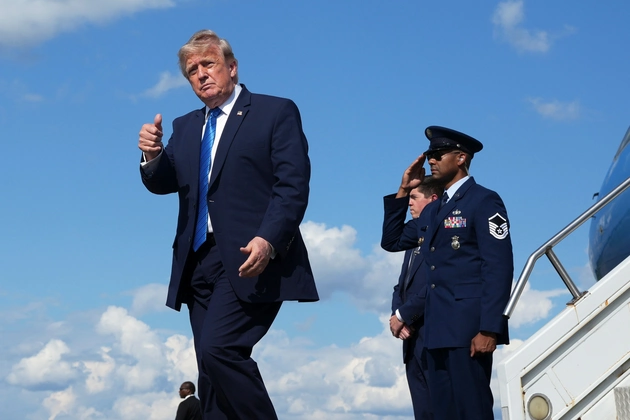
In issuing what the White House described as “a full, complete, and unconditional pardon,” Trump pointed to Buyer’s long record of public service.
The president highlighted two parts of Buyer’s career in particular:
- His service as a judge advocate general in the U.S. Army
- His years as a politician in the U.S. House of Representatives
Trump characterized Buyer’s career as distinguished and highly productive, framing the pardon as recognition of that service rather than a dismissal of the charges themselves.
Buyer’s Response
For his part, Buyer welcomed the decision and used it to reaffirm his innocence. He said the pardon “corrects a politically motivated prosecution,” describing his time behind bars as a horrific experience for a crime he insists he did not commit.
His framing aligns closely with the broader narrative his supporters have pushed — that the prosecution was less about the law and more about politics.
A Coordinated Push for Clemency
The pardon didn’t come out of nowhere. It followed a visible campaign on Buyer’s behalf.
On May 31, Trump used his Truth Social platform to share a pair of letters requesting the pardon. Buyer, a 67-year-old lawyer and Gulf War veteran who left office in 2011, had accumulated notable political connections over the years that helped fuel the effort.
His background gave his allies plenty to point to. Buyer served as a House prosecutor during Democratic President Bill Clinton’s 1998 impeachment trial, and in 2016 he joined Trump’s transition team, where he focused on veterans’ issues.
The Letters Behind the Pardon
Two letters in particular underscored the political nature of the campaign.
One letter, signed by more than 40 former Republican members of Congress, argued that Buyer had been “targeted by the deep state” because of his role in Clinton’s impeachment trial. The April 2025 letter drew a direct parallel to Trump himself, claiming that Buyer, like the president, had been a victim of “lawfare” conducted by the Biden administration.
A second letter came from five current House Republicans and argued that pardoning Buyer would bring justice to his case. Dated June 2025, it was signed by Tom Cole of Oklahoma, Ken Calvert of California, Marlin Stutzman of Indiana, Jack Bergman of Michigan, and Pete Sessions of Texas.
Together, the letters cast Buyer’s prosecution as politically motivated and his pardon as a corrective measure.
Understanding the President’s Pardon Power
This case also serves as a reminder of just how broad presidential pardon authority is.
The U.S. Constitution grants the president sweeping power to pardon federal crimes. However, there’s an important nuance worth understanding: a pardon does not erase a recipient’s criminal record. Instead, it functions as an act of mercy or justice, lifting the legal consequences without rewriting the underlying history.
In practical terms, that means Buyer’s conviction still stands on the record, even as the pardon frees him from its remaining penalties and restores certain rights.
Why This Matters
The pardon of Stephen Buyer touches on several themes that have defined recent political debate.
On one hand, supporters frame it as the correction of a politically driven prosecution against a decorated veteran and longtime public servant. On the other, critics may see it as another example of clemency extended to a political ally — particularly given Buyer’s ties to Trump’s transition team and his role in the Clinton impeachment.
A few elements make this case especially notable:
- Buyer’s conviction involved high-profile corporate deals, including the T-Mobile–Sprint merger.
- The Supreme Court had already declined to revisit his case.
- The pardon followed an organized lobbying effort built around claims of political persecution.
What Comes Next
With the pardon now official, Buyer’s legal saga has effectively concluded. The financial penalties and prison time are behind him, and the courts no longer have a role to play.
What remains is the debate over what the pardon represents. For Buyer and his backers, it stands as vindication after years of insisting on his innocence. For others, it raises familiar questions about how presidential clemency is used and who tends to benefit from it.
Either way, the decision adds another entry to the ongoing national conversation about pardons, accountability, and the intersection of law and politics — a conversation that shows no sign of fading as Trump continues to exercise his clemency power.
Author