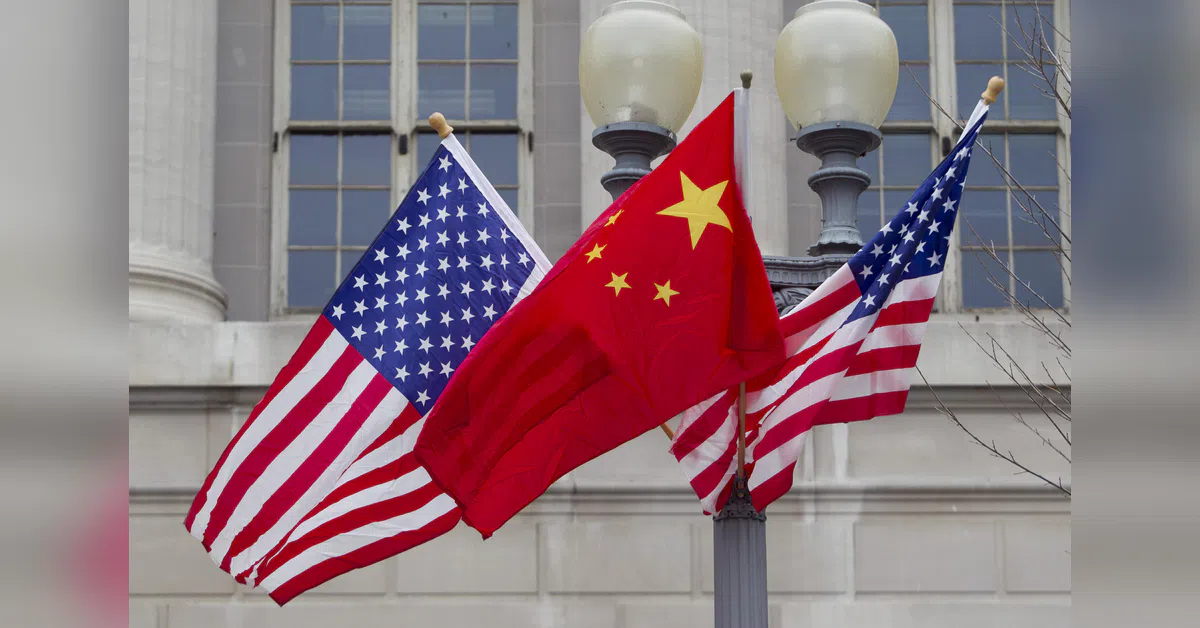
The Pentagon China tech list has triggered a sharp rebuke from Beijing, with China declaring itself “strongly dissatisfied” after the United States added several of the country’s largest companies to a roster of firms it accuses of aiding China’s military.
The move has reignited tensions between the two powers, just weeks after their leaders sought to project a sense of détente.
Who Made the List
The U.S. Defense Department’s long-awaited update, released on Monday, swept in some of China’s most recognizable technology names. Among the companies added were:
- E-commerce giant Alibaba
- Internet search provider Baidu
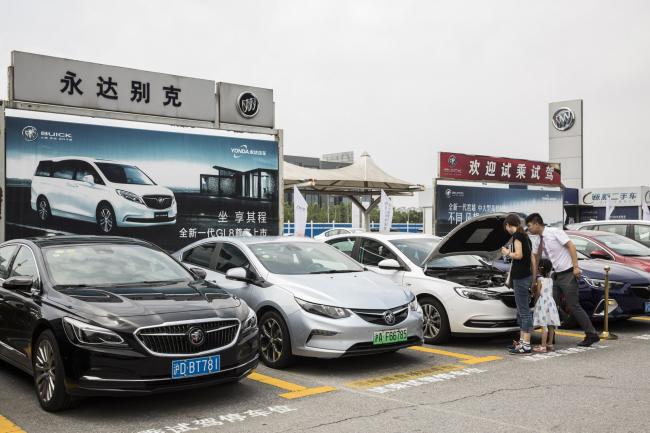
- Automakers BYD and NIO
- Solar panel leaders Trina Solar and JA Solar Technology, among the world’s largest
Taken together, the list spans a broad cross-section of China’s top technology firms—companies seen as central to advancing Beijing’s military and industrial capabilities. The additions reflect Washington’s deepening security concerns amid intense geopolitical competition between the two nations.
Beijing’s Forceful Response
China’s commerce ministry made its displeasure unmistakable. “China is strongly dissatisfied and firmly opposes this,” the ministry said in a statement on Saturday, urging the U.S. to immediately halt what it called “erroneous practices,” withdraw the measures, and return to building a “constructive strategic and stable China-U.S. relationship.”
The warning carried a clear edge. If Chinese firms are not treated fairly, the ministry said, Beijing will “inevitably retaliate resolutely and forcefully.” China’s foreign ministry also voiced concern over the update.
A Blow to a Fragile Truce
The timing is especially pointed. The Pentagon’s revised list supersedes an earlier version from early 2025 and lands just a month after Presidents Donald Trump and Xi Jinping met in Beijing, where the two sides maintained a delicate trade-war truce.
Beijing framed the move as a betrayal of that understanding, with the commerce ministry statement asserting that the Pentagon had “ignored the consensus” reached between the two leaders. The implication was clear: a step meant to safeguard U.S. security risks unraveling the careful diplomacy both sides had worked to preserve.
What the Designation Means
The consequences for the listed companies are concrete, if not immediate. Under U.S. law, the Defense Department will be barred from contracting directly with firms on the list. Beginning in 2027, it will also be restricted from purchasing their products or services through third parties.
For now, the standoff leaves the world’s two largest economies once again at odds—balancing the fragile trade truce forged in Beijing against Washington’s hardening stance on the technology firms it views as strategic rivals. With Beijing openly threatening retaliation, the latest escalation suggests the uneasy calm between the two powers may prove difficult to sustain.
Author