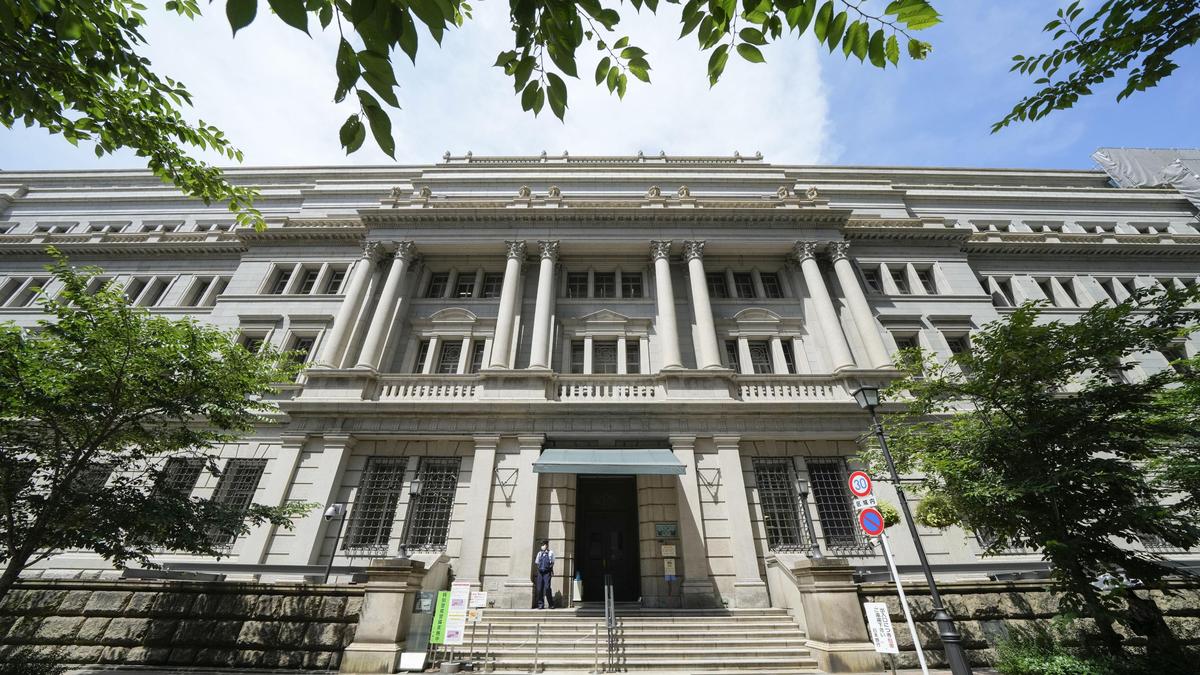
The Bank of Japan rate hike announced Tuesday marks a pivotal moment for the world’s third-largest economy, lifting borrowing costs to their highest level in 31 years. Acting against the wishes of Prime Minister Sanae Takaichi and amid intense U.S. pressure, a tumbling currency, and energy disruptions from war in the Middle East, the central bank moved decisively to get ahead of an expected inflation surge.
The Decision
The Bank of Japan raised its benchmark interest rate by a quarter of a percentage point to 1 percent, a level not seen in more than three decades. Citing inflationary pressure from rising crude oil prices, the bank signaled it would keep raising rates while closely watching prices and the broader economy.
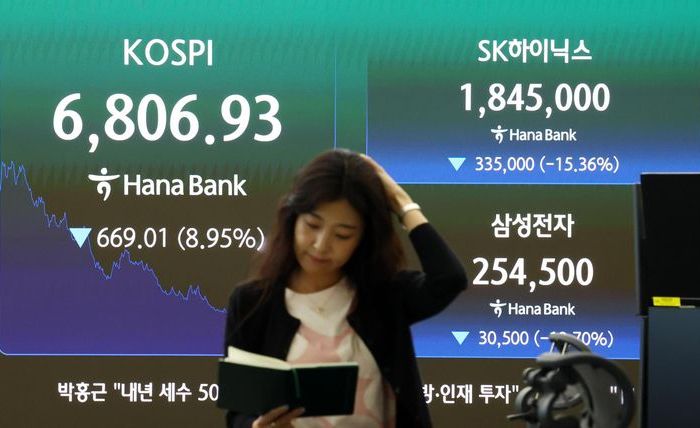
The market reaction was swift. After the decision, the benchmark Nikkei 225 surged above 70,000 for the first time before pulling back to close slightly higher.
Bracing for an Energy Shock
At the heart of the move is the fallout from the closure of the Strait of Hormuz, which has left Japan and much of the world bracing for a spike in prices for oil, gas, and other commodities. A recently announced agreement between the United States and Iran to reopen the strait is expected to provide some relief.
Still, economists anticipate that war-related pressures will begin showing up in Japan’s pricing data as early as this month, with supply-chain strains and elevated inflation likely to persist through year’s end.
Deputy Governor Shinichi Uchida acknowledged that the deal to reopen the strait had reduced risks to the Japanese economy, but he stressed that uncertainty remains, particularly around how quickly supply chains might normalize. “We don’t know what will happen next,” he said.
Learning From 2022
The central bank’s strategy is rooted in lessons from a painful recent precedent. When Russia invaded Ukraine in 2022 and disrupted global energy flows, the European Central Bank initially dismissed inflation as “transitory” and delayed raising rates, only to watch eurozone inflation soar past 10 percent.
This time, central bankers appear determined not to repeat that mistake:
- The ECB quickly signaled its intent to tighten and followed through with a rate increase last Thursday.
- In the United States, data showed inflation climbing at its fastest pace in three years, ahead of the Federal Reserve’s first policy meeting under new chairman Kevin Warsh.
Naohiko Baba, chief Japan economist at Barclays, said central bankers had clearly learned from 2022 and wanted to move before price increases took hold. By openly warning of a looming spike, he noted, Bank of Japan officials had laid the groundwork so thoroughly that markets would have been stunned had they not acted.
Japan’s Awkward Balancing Act
The rate hike places the central bank in a delicate political position. Since early 2024, the Bank of Japan had been gradually raising rates as a burst of inflation allowed it to step away from decades of ultralow and even negative rates.
That trajectory grew complicated last October, when Sanae Takaichi won election as prime minister. Much like Donald Trump in the United States, Takaichi has championed a weaker domestic currency and low interest rates.
The appeal of a weak yen is clear: it has traditionally given Japanese exporters an edge by making their goods cheaper abroad. Takaichi’s agenda, built around stimulus, tax cuts, and higher defense spending, also depends on substantial government spending, which becomes harder to sustain as borrowing costs climb.
A World Transformed
Yet the global picture shifted dramatically in recent months, forcing the bank’s hand. The February closure of the Strait of Hormuz cut Japan off from the Middle East, the source of roughly 90 percent of its crude oil imports. Businesses had been preparing to raise prices amid shortages of naphtha, an oil byproduct used in everything from industrial inks to plastic packaging.
Compounding the strain, the yen tumbled against a strengthening dollar, sliding past 160 yen per dollar for the first time in nearly two years. A weaker currency drives up the cost of imports ranging from fuel to food, intensifying inflationary pressure.
Japan’s finance ministry has spent tens of billions of dollars buying yen in an effort to shore up the currency, with limited success. That has reinforced a growing consensus among economists that higher interest rates, and a narrower gap with U.S. rates, offer the most effective path to stabilizing the yen.
Pressure From Washington
The push for higher rates has not come from within Japan alone. During a May visit to Tokyo, U.S. Treasury Secretary Scott Bessent voiced frustration over the yen’s weakness in meetings with Japanese officials. He also argued that the Bank of Japan should be insulated from political pressure not to raise rates.
According to Barclays’ Baba, Takaichi still holds an unshakable belief in the benefits of a weak yen and low rates. But with mounting pressure from the United States and the yen’s sharp depreciation, he suggested she had little choice but to passively accept the hike, however much she personally opposed it.
What It Means Going Forward
The Bank of Japan’s decision reflects a broader global reckoning, as major central banks move in concert to contain inflation unleashed by conflict and energy disruption. For Japan, the challenge now lies in balancing the need to tame prices against the economic and political costs of higher borrowing.
With the reopening of the Strait of Hormuz offering tentative hope and supply chains still in flux, much remains uncertain. This is a developing story, and the months ahead will reveal how successfully Japan navigates the competing pressures bearing down on its economy.
Author