A Heated Political Showdown
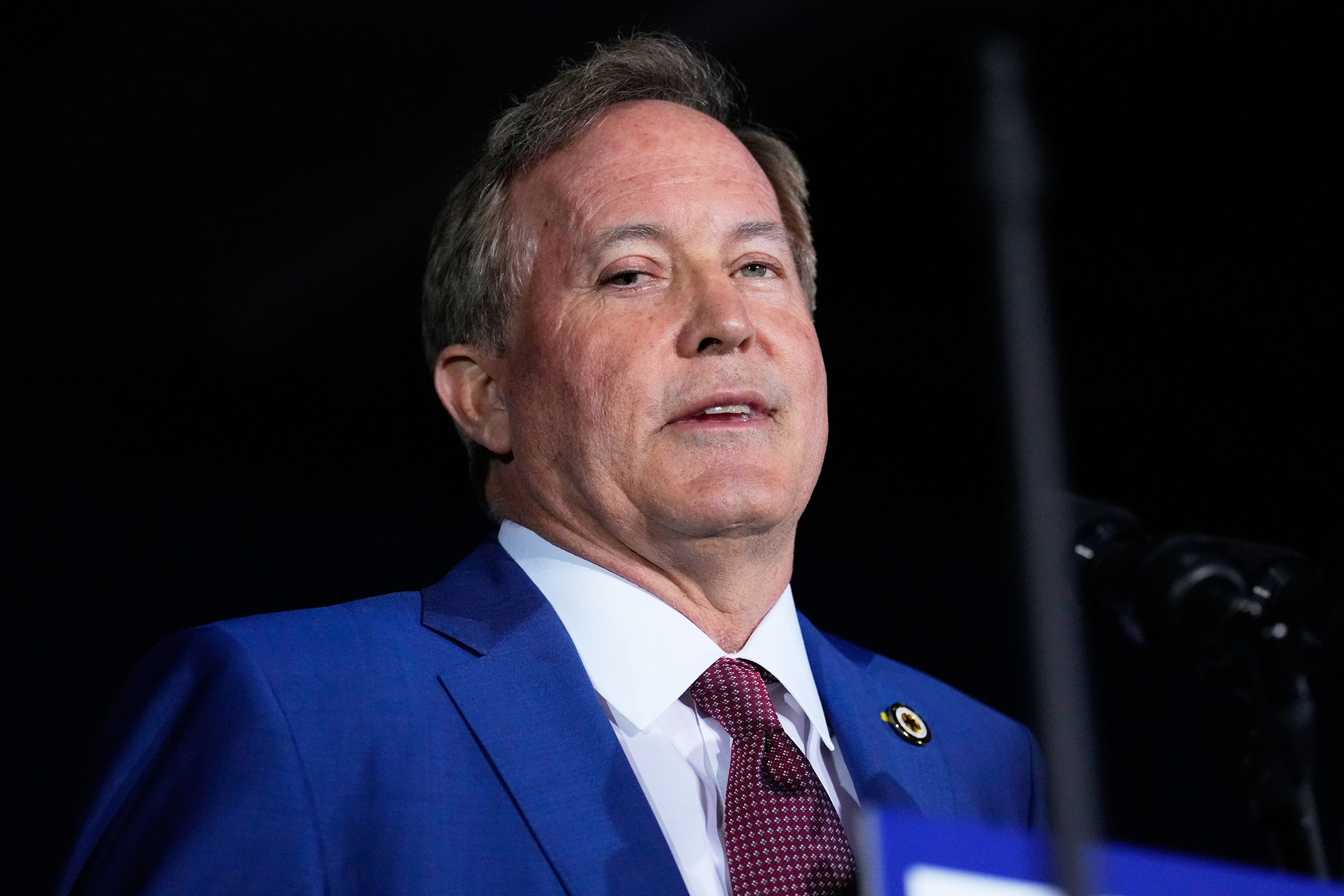
The Paxton plea deal has become a flashpoint in the Texas Senate race, with Democratic candidate James Talarico launching a forceful attack on his Republican rival. On Thursday, Talarico publicly condemned Texas Attorney General Ken Paxton over a controversial agreement his office offered to a Waco man accused of repeatedly sexually abusing a young boy.
The confrontation marks an escalation in an already tense campaign, as Talarico seeks to turn the case into a central issue heading into the election.
Demands for Transparency
Speaking from the steps of the McLennan County Courthouse in Waco, Talarico called on Paxton to release internal communications from his office that would reveal exactly how the plea deal came together.
He framed the issue as one that should transcend party lines. Talarico argued that no Texan, regardless of political affiliation, should accept the idea of anyone covering up crimes against children, including the state’s top law enforcement official.
His message was clear: voters deserve to know how such a deal was reached and who was involved in shaping it.
The Details of the Deal
At the center of the controversy is 49-year-old Adam Dean Hoffman. Under the terms of the agreement, Hoffman was required to serve just 30 days in jail, admit to molesting the victim, and surrender his law license.
However, one element of the deal sparked particular outrage. Despite admitting to the abuse, Hoffman was not required to register as a sex offender. That provision triggered swift backlash, first within the local community and later across the nation as the case drew wider attention.
The deal also wasn’t the first version proposed. Roy Sparkman, the visiting judge overseeing the case and a former Republican officeholder, had already rejected an earlier agreement that would have allowed Hoffman to spend only a single day in jail.
How the Case Unraveled
A clearer picture of how the case reached this outcome emerged through investigative reporting. Last month, The Texas Tribune, The Texas Newsroom, and KWBU uncovered the trial transcript and additional court records that shed new light on the proceedings.
The documents revealed that the case had ended in a mistrial, and the young victim had refused to testify a second time. This left prosecutors in a difficult position. If they wanted to secure a conviction, their only options were to offer a plea deal or compel the boy to return to court against his will through a subpoena.
That stark choice helped explain the reasoning behind the agreement, even as critics questioned whether the final terms were too lenient.
Concerns Over a Possible Pattern
The deal drew criticism from several quarters. The victim’s mother, Judge Sparkman, and even some Republican lawmakers expressed unease over what they viewed as excessive leniency in the final arrangement.
Sparkman went further, pointing to another case that had also been taken over by the attorney general’s office after a local prosecutor was recused. In that instance, he believed an overly generous deal had been offered as well, raising troubling questions about whether the office had developed a pattern of leniency in such cases.
These concerns added fuel to the growing controversy surrounding Paxton’s handling of sensitive prosecutions.
The Attorney General’s Office Responds
Officials within the attorney general’s office defended their decision. In a May 15 letter to a state lawmaker, Assistant Attorneys General Brenda Cantu and Dorian Cotlar described the plea deal as a difficult decision made entirely in the best interest of the child involved.
According to their account, the victim had expressed a desire to move on with his life and avoid the continued trauma of confronting his abuser in court. Cantu also clarified in court that she had no involvement in the other case referenced by the judge.
The office presented its choice as one rooted in compassion for the victim rather than convenience or cover-up.
Paxton’s Campaign Fires Back
Paxton’s campaign wasted no time pushing back against Talarico’s accusations. Spokesperson Madison Cercy called it disgusting that Talarico would, in her framing, want a child victim forced into the same room as his abuser.
Cercy accused Talarico of intentionally re-traumatizing the victim for political gain every time he raised the case. She insisted that prosecutors had already released information about the matter and argued that Talarico was more interested in scoring political points than uncovering the truth.
The campaign emphasized that its priority remained standing with the child victim, casting Talarico’s attacks as exploitative rather than principled.
A Familiar Line of Attack
Talarico is not the first to use this case against Paxton. During the Republican primary runoff, Senator John Cornyn repeatedly hammered Paxton over the issue.
Cornyn’s campaign ran advertisements accusing the attorney general of failing to protect trafficking victims and warning voters that he would fail them too. Yet the effectiveness of that strategy remains uncertain.
Despite the pointed attacks, Cornyn ultimately lost to Paxton by nearly 28 points, raising questions about how much political weight the issue truly carries with voters.
What This Means for the Race
As the Senate contest heats up, the Paxton plea deal has emerged as a defining battleground. Talarico is betting that voters across the political spectrum will respond to concerns about transparency and the protection of children.
Paxton, meanwhile, is working to reframe the narrative, portraying his office’s decisions as protective of the victim and casting his opponent’s attacks as cynical political maneuvering.
The clash highlights the deeply personal and emotionally charged nature of the case, one that touches on issues of justice, accountability, and public trust.
Looking Ahead
With both sides digging in, the controversy shows no signs of fading. Talarico’s demand for the release of internal communications keeps the pressure on Paxton, while the attorney general’s camp continues to defend its handling of the case.
As the campaign moves forward, voters will ultimately decide whether this issue shapes their choice at the ballot box. For now, the dispute remains a powerful reminder of how legal decisions can quickly become central battlegrounds in the world of politics.
Author