Strait of Hormuz Ceasefire Faces Major Test After U.S. and Iran Trade Fire
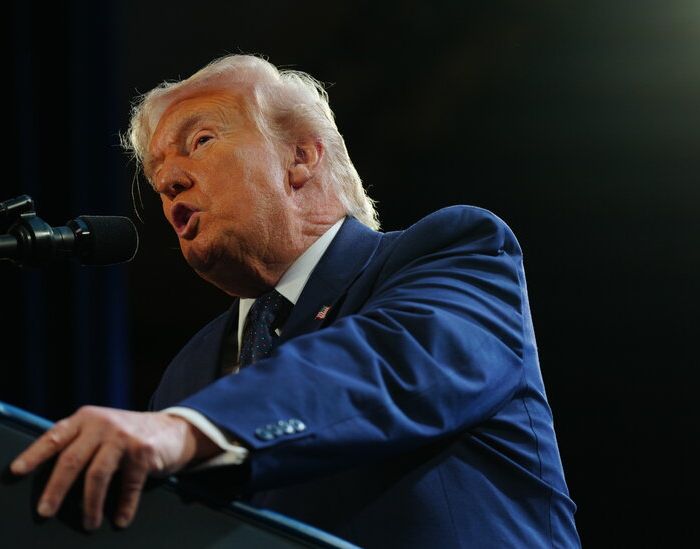
A fresh round of military activity between American and Iranian forces near the Strait of Hormuz has raised serious concerns about the durability of the current truce. Despite the renewed exchange of fire on Thursday, President Donald Trump maintained that the Strait of Hormuz ceasefire remains intact, though tensions clearly remain dangerously high in the region.
Clash Unfolds in a Critical Waterway
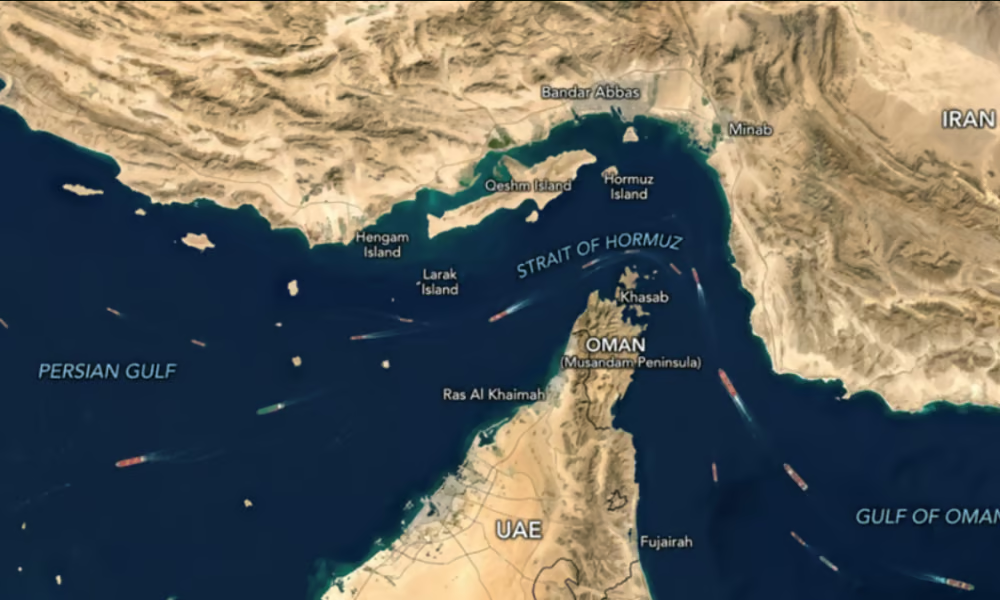
The latest confrontation took place as three U.S. Navy destroyers were passing through the strategic strait, one of the world’s most important shipping routes. Just hours later, the United Arab Emirates, a close American ally in the Gulf, reported that it was actively responding to a separate missile and drone attack on its territory.
Trump shared his account of the incident on Truth Social, stating that the U.S. warships emerged unscathed while Iranian attackers and several smaller boats were destroyed in the response. According to the president, the destroyers themselves suffered no damage, but the strike against the attacking forces was decisive.
In a follow-up phone interview with NBC News, Trump offered a more cautious tone when asked whether the broader conflict with Iran had ended. His answer was a simple “No,” but he added that the U.S. had achieved a clear military victory and was now waiting for Iranian leaders to come to the table.
More Strikes and a Frozen Waterway
The situation continued to evolve into Friday, when U.S. Central Command confirmed it had targeted two additional tankers accused of breaching its blockade of Iranian ports. These actions further underscored just how fragile the current ceasefire really is, especially in a region that historically handled around 20% of the world’s oil shipments before hostilities erupted between the U.S., Israel, and Iran on February 28.
Maritime data tells its own story. According to S&P Global Market Intelligence, no ships moved through the Strait of Hormuz on Thursday, marking the second consecutive day without traffic. The last time the waterway saw such a complete halt was in mid-March, an unusual development for a route normally bustling with vessels.
Trump weighed in on the disrupted commerce as well, claiming that the United States now effectively controls the strait and has cut off Iranian shipping. In his words, “no boats” are heading into Iran, and the country’s economy is suffering as a result.
Trump Hints at Larger Strategic Goals
While discussing the path forward, Trump suggested that securing a strong agreement matters more to him than rushing toward an end to the fighting. He emphasized that any resolution must serve American interests, hinting that negotiations are progressing but not yet finalized.
The president also raised a far more aggressive possibility, openly floating the idea of dismantling Iran and seizing its oil. When pressed on whether he might actually pursue that course, Trump admitted uncertainty, acknowledging that public opinion in the U.S. would likely not support such a drastic step.
On the question of Iran’s nuclear program, Trump indicated that talks are still ongoing and expressed cautious optimism that progress is being made. Still, he didn’t shy away from criticizing Iranian leadership, calling them deeply irrational.
Pentagon Calls Strikes Defensive
A U.S. official speaking to NBC News clarified that the strikes carried out in Bandar Abbas and on Qeshm Island were defensive in nature and should not be interpreted as a return to full-scale combat operations.
CENTCOM also released a public statement explaining that the three guided-missile destroyers came under attack while moving from the Strait of Hormuz toward the Gulf of Oman. According to the command, Iranian forces deployed missiles, drones, and small boats against the U.S. vessels.
In response, American forces neutralized the incoming threats and struck back at Iranian military assets believed to be responsible. Targets reportedly included missile and drone launch facilities, command and control hubs, and intelligence and reconnaissance sites. CENTCOM emphasized that while it does not want escalation, it remains fully prepared to defend American troops in the region.
Iran Tells a Different Story
Iran offered a contrasting version of events. A spokesperson for the country’s Khatam al-Anbiya military command argued that Iranian forces only opened fire after the U.S. broke the ceasefire by striking an Iranian oil tanker traveling from the Jask coastal area toward the strait, along with another vessel near the UAE port of Fujairah.
Iranian officials also accused the U.S. of conducting airstrikes on civilian areas along the country’s coastline and on Qeshm Island. State-run Press TV later reported that conditions on Iran’s islands and coastal cities had returned to normal following the exchange.
An Uncertain Road Ahead
The renewed fighting near the Strait of Hormuz makes one thing clear: the ceasefire remains delicate, and any incident in the region could quickly escalate. With diplomatic talks ongoing and military forces still active on both sides, the world is watching closely to see whether negotiation or further conflict will define the coming weeks.
For now, both Washington and Tehran appear locked in a tense standoff, each insisting on its own version of events, while the global oil market and regional allies hold their breath.
Author