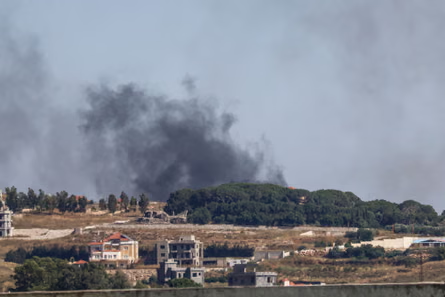
A Delay Amid Rising Tensions
The highly anticipated US Iran nuclear talks have hit an early obstacle, with negotiations now delayed as clashes in Lebanon intensify. Vice President JD Vance will not depart Thursday night for face-to-face talks with Iran in Switzerland, the White House confirmed.
The postponement comes at a pivotal moment, just as the United States and Iran begin a 60-day countdown aimed at reaching a comprehensive nuclear agreement and a more lasting peace deal.
Shifting Plans
Earlier in the day, Vance had struck a more optimistic tone. Speaking to reporters at a briefing, he expressed his belief that the technical talks would begin at some point over the weekend and that he would travel to Switzerland.
However, those plans quickly changed. A White House spokesperson said Thursday that the arrangements for the nuclear talks had not been finalized, citing the difficult logistics involved in the negotiations.
Despite the delay, the administration emphasized its readiness. The spokesperson noted that an American delegation had been prepared to depart at the first available opportunity, signaling a continued commitment to moving forward when conditions allow.
The Foundation of the Deal
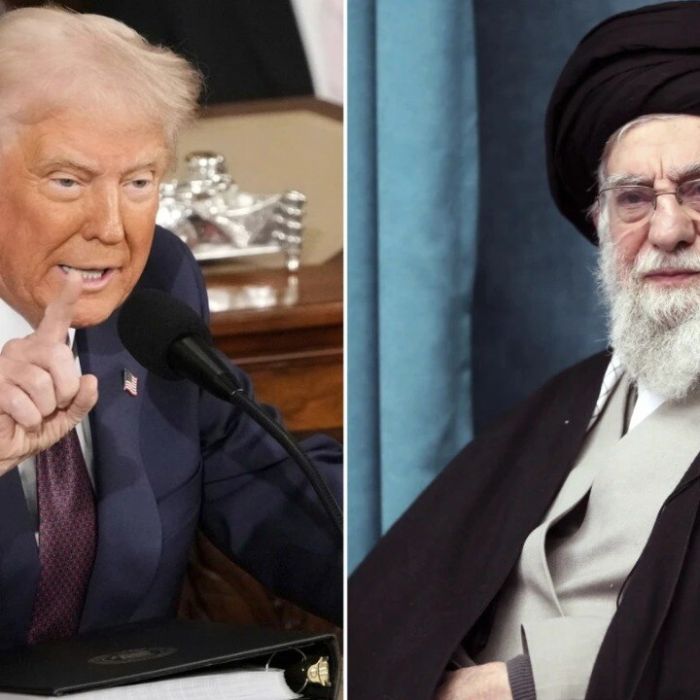
The delayed talks build upon a significant breakthrough achieved earlier in the week. On Wednesday, President Donald Trump and his Iranian counterpart signed an interim agreement.
This agreement aimed to end the months-long war between the two sides and reopen the Strait of Hormuz, a critical waterway for global oil shipments. The signing marked an important first step toward de-escalating a conflict that had gripped the region.
The interim deal set the stage for the more complex negotiations now on the horizon.
What’s at Stake in the Talks
The upcoming negotiations carry enormous significance. During the talks, both sides will attempt to agree on restrictions governing Tehran’s nuclear program.
A central focus will be determining how to dilute or destroy Iran’s stockpiles of highly enriched uranium. These materials represent one of the most sensitive and technically challenging aspects of any nuclear agreement.
Reaching consensus on these issues will require careful and detailed diplomacy from both parties.
Doubts Over the Timeline
A major question looming over the process is whether 60 days is enough time to achieve such a complex goal. Many nuclear experts have expressed skepticism, arguing that the timeframe is far too short to work out something so intricate and technical.
There is, however, some flexibility built into the framework. The agreement specifies that the 60-day timeline can be extended if necessary, offering a potential safety valve should negotiations prove difficult.
History suggests caution may be warranted. The 2015 nuclear accord, which Trump criticized and abandoned during his first term, took roughly two years to finalize.
Countering the Critics
As both sides begin to define their negotiating positions for the next phase, Vance and Trump have faced criticism over the initial agreement. Some of that criticism has come from their own political allies.
Detractors have suggested that Iran gained the upper hand in the initial memorandum. In response, both Vance and Trump have worked to counter that narrative, defending the terms of the deal and the broader approach.
The pushback reflects the political sensitivity surrounding any agreement with Iran, particularly given the high stakes involved.
The Lebanon Factor
The backdrop to these negotiations has grown increasingly complicated. Worsening clashes in Lebanon have added a layer of uncertainty to the diplomatic process.
The escalating violence threatens to complicate the delicate balance both sides are trying to maintain. While the official explanation for Vance’s delay centered on logistics, the broader regional tensions loom large over the entire effort.
The interconnected nature of Middle East conflicts means that developments in one area can quickly influence negotiations elsewhere.
A Fragile Path Forward
The combination of a tight deadline, technical complexity, and regional instability makes the road ahead anything but certain. Both the United States and Iran face significant challenges as they attempt to translate their interim agreement into a more durable accord.
The delay in Vance’s departure serves as an early reminder of how easily the process can be disrupted. With so many moving parts, maintaining momentum will require sustained effort and careful coordination.
For now, the diplomatic effort remains intact, even if its timeline has slipped.
Looking Ahead
As the 60-day clock ticks, attention will focus on when the technical talks can finally begin and whether the two sides can bridge their differences. The stakes extend far beyond the negotiating table, touching on regional security, global oil markets, and the broader balance of power in the Middle East.
The coming days and weeks will reveal whether the delay proves to be a minor setback or a sign of deeper difficulties ahead. Both sides have invested considerable political capital in the process, raising the pressure to deliver meaningful results.
Whether the negotiations ultimately succeed or falter, the world will be watching closely. The outcome holds the potential to reshape one of the most consequential geopolitical relationships of the era, making every development in these talks a matter of significant international concern.
Author