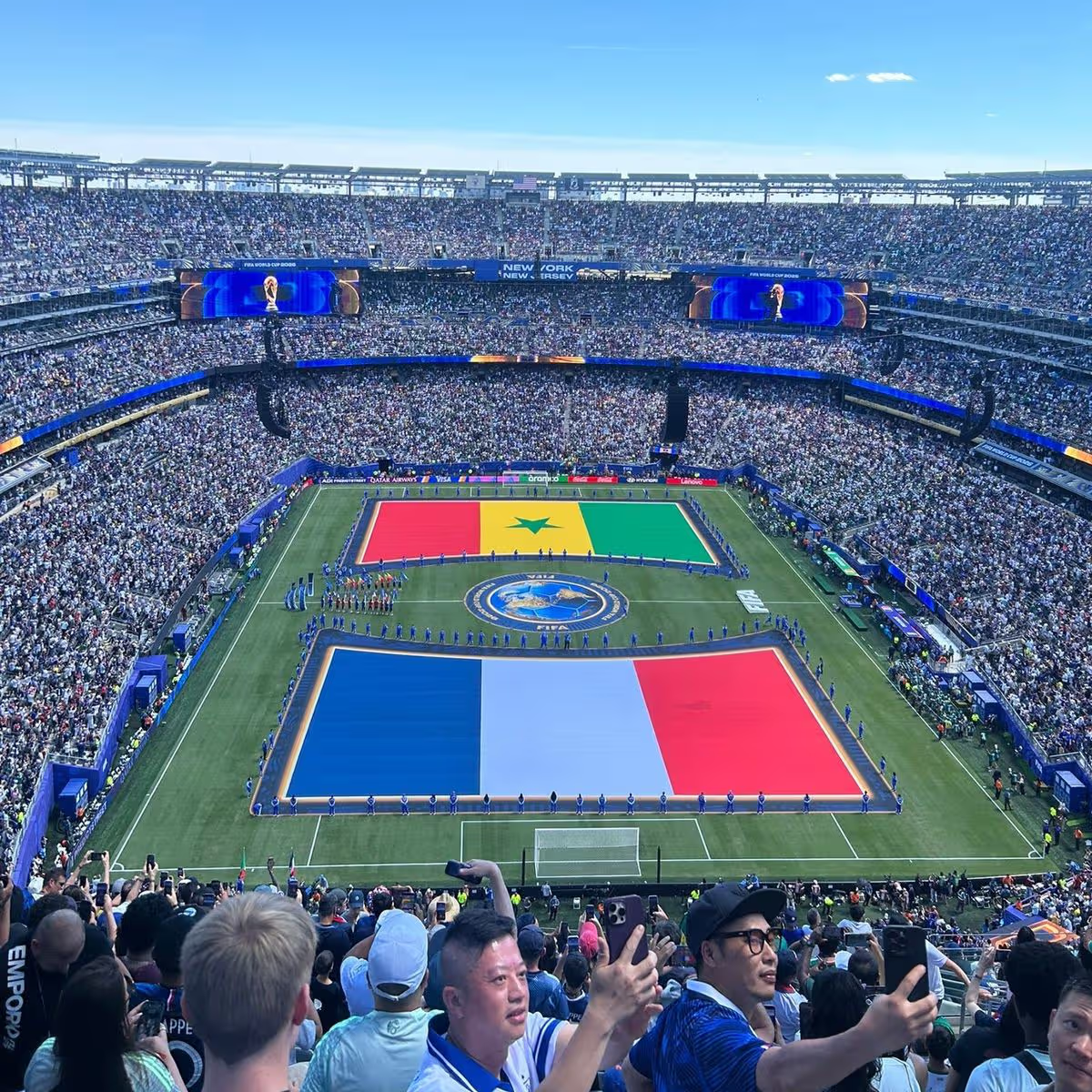
The Norway-Senegal World Cup match is facing an unexpected opponent before a single ball is kicked: the weather. Heavy rain and possible flooding were forecast for the area around MetLife Stadium in New Jersey, where Norway and Senegal were scheduled to meet on Monday night. With kickoff approaching, concerns are mounting over whether the conditions could disrupt one of the tournament’s marquee fixtures. FOX Sports
The forecast has prompted official warnings, travel advisories, and questions about how FIFA would respond if the storm forces a delay. For fans and players alike, the looming weather has added a layer of uncertainty to what was meant to be a straightforward evening of soccer.
A Flood Watch Over the Region
The threat is serious enough that authorities issued formal alerts. The U.S. National Weather Service issued a flood watch for parts of New York City and New Jersey that included Bergen County, where MetLife Stadium is located. FOX Sports
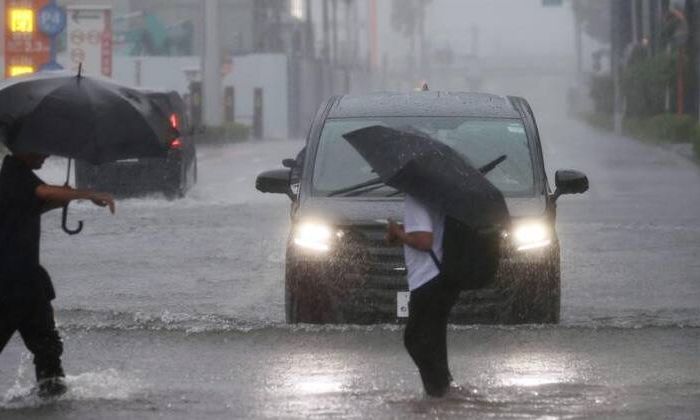
The forecast painted a picture of intense, fast-moving storms. According to the NWS, showers and potential thunderstorms carrying high amounts of moisture were expected to move through the area in the afternoon and into the night. Officials warned that these showers could produce up to around 2 inches of rainfall per hour, with the potential to cause flash flooding mainly over urban areas and locations with poor drainage. FOX SportsFOX Sports
That rate of rainfall is especially concerning given the infrastructure in the region. Reports noted that New York City’s sewer system is designed to handle only about 1.75 inches per hour, meaning the heaviest downpours could quickly overwhelm drainage capacity.
The Venue and the Timing
The setting adds its own complications. The open-air venue, which opened in 2010 and seats about 80,000, was constructed over steel pilings in New Jersey marshlands. Kickoff was scheduled for 8 p.m. EDT, placing the match squarely within the window when the worst weather was expected. FOX Sports
Compounding the challenge, the storms threatened to coincide with the evening rush hour. According to the New York City Mayor’s Office, the combination of severe weather and heavy commuter traffic could create significant travel headaches for those heading to the game. Officials encouraged people to walk, bike, or use public transportation whenever possible to avoid the worst of the congestion.
Forecasters also warned that New York City could see severe thunderstorms with isolated wind gusts reaching up to 50 mph, while temperatures were expected to dip to lows around 65 degrees Fahrenheit.
Officials Urge Caution
With safety at the forefront, city leaders issued direct appeals to the public. New York City Mayor Zohran Mamdani urged everyone to plan ahead and allow extra time to travel safely, emphasizing that no destination is worth risking personal safety. He advised that if conditions turned severe, people should stay indoors and wait until it was safe to travel.
The Mayor’s Office reinforced that message, warning New Yorkers to take the weather seriously and make plans early to stay safe during what could become dangerous conditions. The tone of these statements reflected genuine concern about the combination of flooding, traffic, and the sheer number of people expected to converge on the area.
A Tournament Largely Spared So Far
Despite the ominous forecast, the World Cup had enjoyed a smooth run weather-wise up to this point. There had been no weather delays during the first 11 days of the tournament, a notable streak given how disruptive storms can be at large outdoor events.
That track record stands in contrast to recent experiences at other major soccer tournaments. At last year’s Club World Cup, six of 63 games were delayed by weather, totaling roughly 8 hours and 29 minutes of stoppages.
Recent friendlies offered further reminders of weather’s unpredictability:
- The start of England’s friendly against Costa Rica on June 10 in Orlando was pushed back one hour because of a storm.
- A June 5 friendly between Saudi Arabia and Puerto Rico in Austin was suspended in the 21st minute due to weather and resumed about 90 minutes later.
These examples underscored just how quickly conditions can interrupt play, even at the highest levels of the sport.
What Happens If the Match Is Interrupted
Should the weather force a stoppage, FIFA’s regulations provide a clear framework for how matters would proceed. According to World Cup rules, if a match is abandoned due to force majeure after it has already kicked off, the game does not start over from scratch. Instead, it recommences from the exact minute play was interrupted, preserving the same scoreline.
The regulations spell out the specifics in detail:
- Play resumes from wherever it stopped, whether that means a free kick, throw-in, goal kick, corner kick, or penalty kick.
- If the match was abandoned while the ball was still in play, it restarts with a dropped ball from the position of the ball when play stopped.
- The kickoff time, date, location, and any other related matters are decided by FIFA.
Beyond mid-match interruptions, FIFA retains broad authority over the tournament. The governing body holds the right to cancel, reschedule, or relocate one or more matches—or even the entire World Cup—at its sole discretion, including in response to force majeure or due to health, safety, or security concerns.
The Bigger Picture
For Norway and Senegal, the weather adds intrigue to an already meaningful encounter. Norway entered the match in strong form, having opened the tournament with a convincing 4-1 win over Iraq, while Senegal looked to bounce back after a 3-1 defeat to France. Norwegian manager Ståle Solbakken acknowledged his team would need to be ready for the challenge ahead.
As the rain approached, several questions remained worth watching:
- Whether the match would proceed on schedule or face a delay.
- How the flooding and traffic would affect fans traveling to the stadium.
- Whether the tournament’s clean weather record would survive the night.
Looking Ahead
The Norway-Senegal World Cup match became a test not just of athletic skill but of preparation and patience in the face of nature. With a flood watch in effect, officials urging caution, and FIFA’s contingency rules standing by, all eyes turned to MetLife Stadium to see how the evening would unfold.
For now, the situation served as a reminder that even the most carefully planned global events remain at the mercy of the weather. This is a developing story, and further updates may follow depending on how the conditions evolve around kickoff.
Author