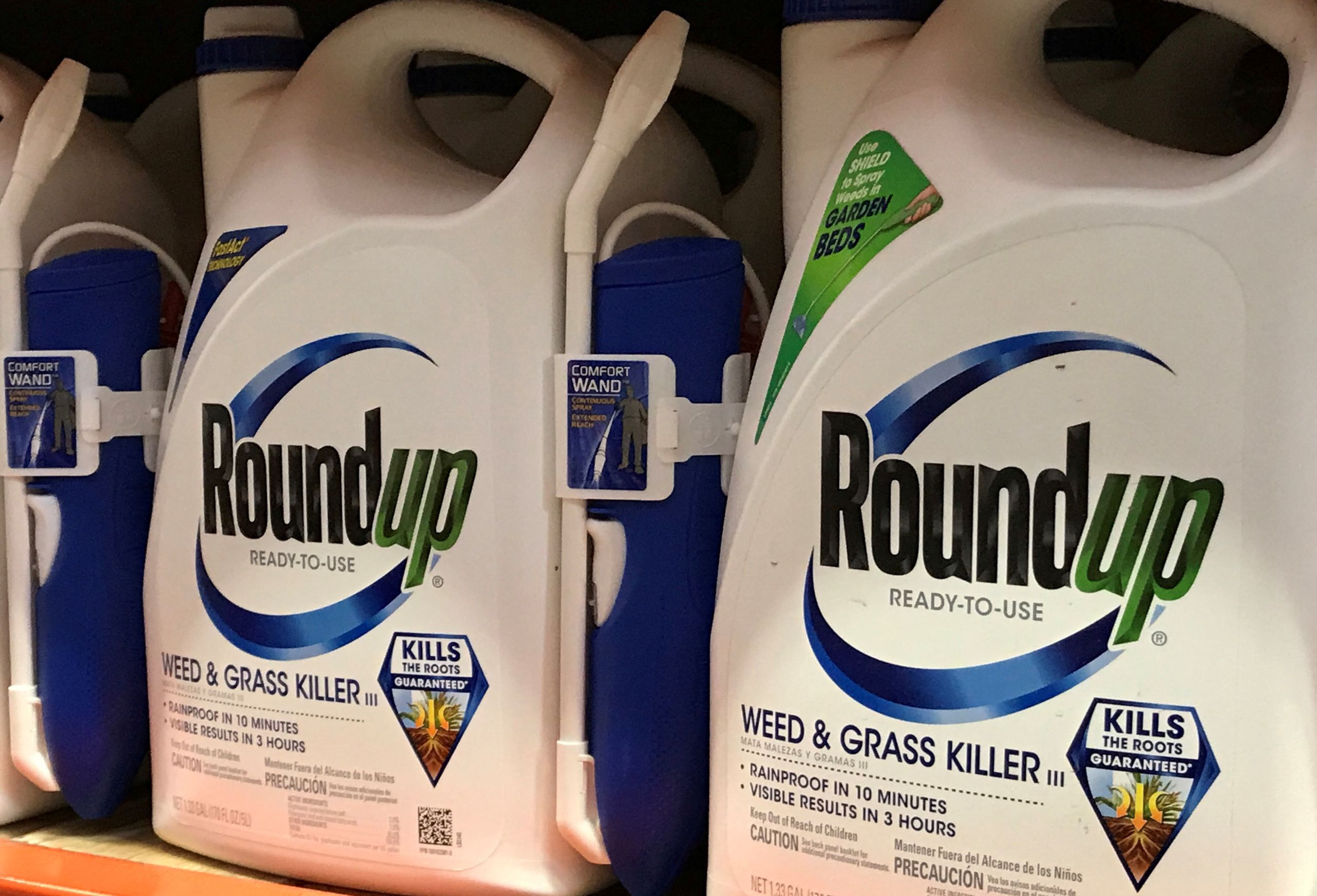
The Roundup Supreme Court ruling delivered a major victory to Bayer on Thursday, as the justices sided with the manufacturer of the widely used weedkiller and overturned a jury award for a Missouri man who said the product gave him cancer. The decision could reshape the future of thousands of similar lawsuits across the country.
A Decisive Ruling for Bayer
In a 7-to-2 decision written by Justice Brett M. Kavanaugh, the majority concluded that a federal law regulating pesticides barred the Missouri man’s lawsuit.
Kavanaugh reasoned that the case would effectively require a cancer warning on Roundup’s label, which would directly conflict with the label mandated by the federal Environmental Protection Agency. Because of that conflict, he wrote, federal law expressly preempts the claim. CBS News
The Man at the Center of the Case
The dispute centered on a single case involving John Durnell, a gardener from St. Louis. Durnell developed non-Hodgkin’s lymphoma after more than 20 years of serving as his neighborhood association’s “spray guy,” using Roundup on parks in his community. PBS
In 2023, a jury in the Circuit Court of the City of St. Louis sided with him, finding that the company had failed to warn consumers about the product’s cancer risk and awarding him $1.25 million. Notably, the jury rejected all but one of Durnell’s claims and declined to award punitive damages. Bayer appealed, and the case eventually reached the Supreme Court. CBS News
Why the Stakes Were So High
The ramifications extend far beyond Durnell. About 200,000 Roundup-related claims have been filed against Bayer, mostly from home users, and some have resulted in multibillion-dollar damage awards. PBS
The German company inherited this legal morass when it acquired Roundup’s original maker, Monsanto, for $63 billion in 2018, assuming all of its liabilities. The litigation has weighed so heavily on Bayer that the company has signaled it might pull glyphosate from U.S. agricultural markets if the lawsuits continue, a move agricultural groups warn could devastate the food supply. Bloomberg Law
The legal question itself was narrow: whether Bayer can be sued in state courts when a federal agency decided not to require a warning label. At the heart of it was the Federal Insecticide, Fungicide, and Rodenticide Act, known as FIFRA. The law sets rules for pesticides, including requiring an adequate label, and also says states can’t impose additional mandates. Bayer argued that once the EPA approved Roundup’s label without a cancer warning, the company couldn’t be sued for failing to include one, and that changing the label itself would have violated federal law. Bloomberg Law
The Scientific Dispute
The ruling lands amid an unresolved scientific debate over glyphosate, Roundup’s active ingredient. The World Health Organization’s International Agency for Research on Cancer classified the chemical as “probably carcinogenic” in 2015. PBS
The EPA, by contrast, has reached a different conclusion. In 2019 and 2020, the agency determined that a cancer warning was not necessary, finding that glyphosate was unlikely to cause cancer in humans when used as directed. However, after a court challenge, the EPA withdrew those findings, and the chemical’s safety currently remains under formal review.
A Politically Complicated Win
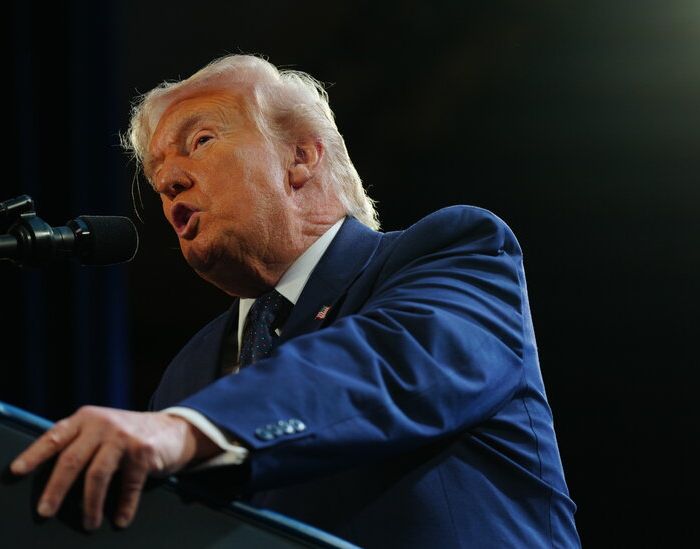
The decision marks a victory for the Trump administration, which backed Bayer in the case, reversing the position taken under the Biden administration. Government lawyers argued that once the EPA determined Roundup was safe, Bayer was required to follow the agency’s labeling decision.
Yet the administration’s stance has created friction with an unexpected group: the Make America Healthy Again movement. Health Secretary Robert F. Kennedy has repeatedly said glyphosate causes cancer, even while acknowledging that an executive order boosting its production was necessary for food supply and national security reasons. President Trump signed that order in February, aiming to ramp up domestic production of glyphosate-based herbicides. PBS
The case was anything but neatly partisan. When the justices heard arguments in April, protesters opposed to Bayer gathered outside the court for a “People vs. Poison” rally that included MAHA activists, environmentalists, farmers, and members of Congress from both parties. Even the justices crossed ideological lines, with conservatives John Roberts and Neil Gorsuch joining liberal Ketanji Brown Jackson in pressing Bayer during questioning. ACS C&EN
What Comes Next
Beyond the weedkiller itself, the ruling could ripple into other sectors. It may also benefit the medical-device, cosmetic, and food industries, which are governed by laws similar to the one at the center of the Bayer case. Bloomberg Law
Bayer, meanwhile, isn’t relying solely on this decision. The company has said it will continue pursuing a $7.25 billion class settlement it proposed in February to contain the Roundup litigation, a plan now before a Missouri state court that would resolve current and future claims through annual payments spanning up to 21 years. CBS News
For the tens of thousands of plaintiffs still hoping to hold Bayer accountable, the ruling represents a significant setback. By giving FIFRA’s preemption provision what the administration called its proper force, the Court has made it far harder for individuals to sue over the alleged cancer risks of one of the world’s most popular weedkillers.
This article discusses cancer and a sensitive health topic. Anyone with concerns about chemical exposure or their personal health should consult a qualified medical professional for guidance tailored to their situation.
Author