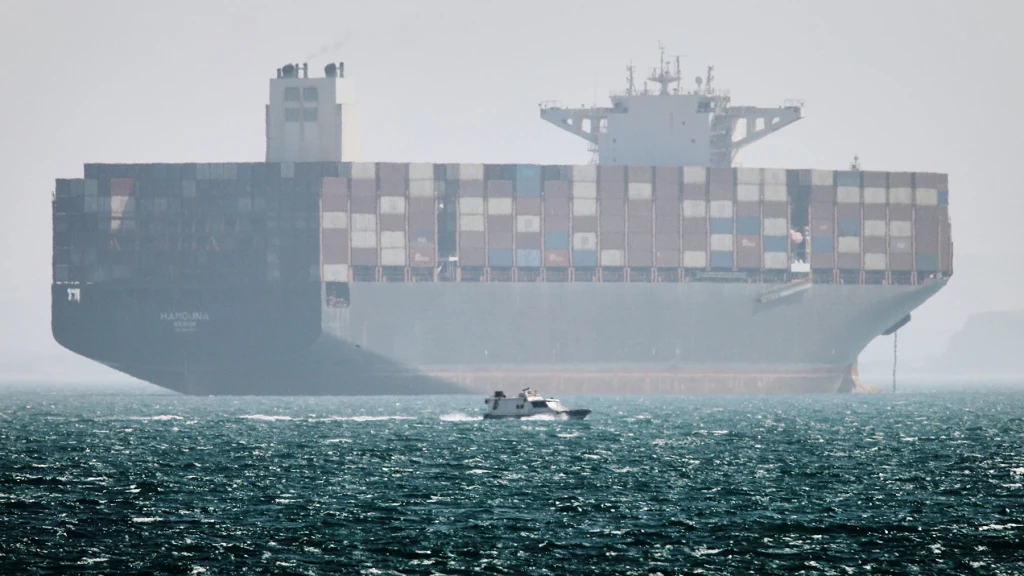
Strait of Hormuz traffic spiked dramatically over the past week, with more vessels moving through the critical waterway than in the previous three months combined. But that brief window of opportunity may be closing fast, as a key evacuation effort is suddenly put on hold following an attack in the region.
A Sudden Surge in Movement
The numbers tell a striking story. Seventy vessels passed through the strait on Wednesday, the highest single-day total since the war with Iran began in late February. That figure represented a 105% jump, roughly double the traffic recorded just a day earlier.
The surge followed two significant developments. Earlier in the week, the United States lifted sanctions on Iranian oil as part of a ceasefire agreement between the two countries. Around the same time, the United Nations and the International Maritime Organization launched a humanitarian operation aimed at evacuating 11,000 stranded seafarers and 500 vessels from the strait.
Still, experts cautioned against reading too much into the spike. As Gene Seroka, executive director of the Port of Los Angeles, explained, the movement largely reflects ships that had been stuck in the Gulf for an extended period finally departing, with a focus on humanitarian aid and a handful of chosen tankers moving once sanctions lifted. He stressed that this was not a full green light for everyone to rush through the strait.
How Far Traffic Had Fallen
To understand the significance of the recent uptick, it helps to consider how dramatically traffic had collapsed. Before the war, experts estimate that somewhere between 110 and 160 vessels sailed through the passage between Iran and Oman each day.
Once fighting choked off the strait, that flow dwindled to an average of fewer than ten vessels per day along the 21-mile passageway. Against that backdrop, even seventy ships in a single day marks a notable shift.
A Carefully Controlled Reopening
The recent movement did not happen by chance. Ship traffic first began picking up over the weekend as shipping companies grew more confident that talks between the U.S. and Iran were making progress.
Then, on Wednesday, the IMO, working with Iran and Oman, established two new shipping lanes designed to keep vessels safe from mines and other hazards:
- A northern lane running near Iran
- A southern lane closer to Oman
Under the arrangement, relevant agencies contacted ships directly when it was their turn to move, with the goal of guiding vessels out of the region gradually and under tight control.
An Attack Halts the Plan
That carefully managed process hit an abrupt obstacle. On Thursday, the IMO paused its evacuation plans after a vessel was struck in the Gulf of Oman. A U.S. official said the ship was hit in an Iranian drone attack but offered no further details, and Iran has not claimed responsibility.
Notably, IMO Secretary-General Arsenio Dominguez emphasized that he took the precautionary pause even though the vessel that was attacked had not been traveling under the IMO’s evacuation framework.
Months of Mounting Risk
The hesitation is rooted in months of danger. Shipping companies have been in a wait-and-see posture, carefully weighing the risks of sending ships through the strait. The toll has been severe, with at least 46 strikes on vessels and 14 deaths recorded to date, according to the IMO.
The obstacles have piled up for the industry:
- Companies have been reluctant to move cargo and personnel through mine-laden waters under the threat of missile strikes.
- Insurers have dropped coverage on ships, citing wartime clauses.
- Some major carriers, such as Hapag-Lloyd, have relied on U.S. naval guides to transit the strait, though that support has not been consistent.
Not Yet a Real Return
Despite the headline numbers, industry leaders caution that the recent traffic does not signal a genuine return to normal. Sanne Manders, president of the logistics company Flexport, noted that the ships actually transiting Hormuz this week have been mostly Iranian-flagged, along with some Taiwanese Evergreen vessels. The major global carriers, he pointed out, have not yet returned, making the situation closer to the status quo than a true turning point.
Both Manders and Seroka expect traffic levels to fall in the coming days during the pause in the IMO’s evacuation effort.
What Comes Next
For now, the path forward hinges on safety. The IMO said it plans to reconfirm that the necessary safety guarantees remain in place for the ships on its evacuation list and for all those in the region before resuming operations.
The episode underscores just how fragile the reopening of the Strait of Hormuz remains. A single attack was enough to stall a coordinated international effort, and until shipping companies and insurers regain confidence that the waterway is genuinely safe, the brief surge in traffic may prove more of a momentary opening than a lasting recovery.
Author