U.S. strikes Iranian military sites marked a sharp escalation Friday, as American forces targeted missile and drone storage facilities in what Central Command described as a forceful answer to Iranian aggression. The action followed Iran’s alleged assault a day earlier on a commercial vessel leaving the Strait of Hormuz.
A Direct Military Response
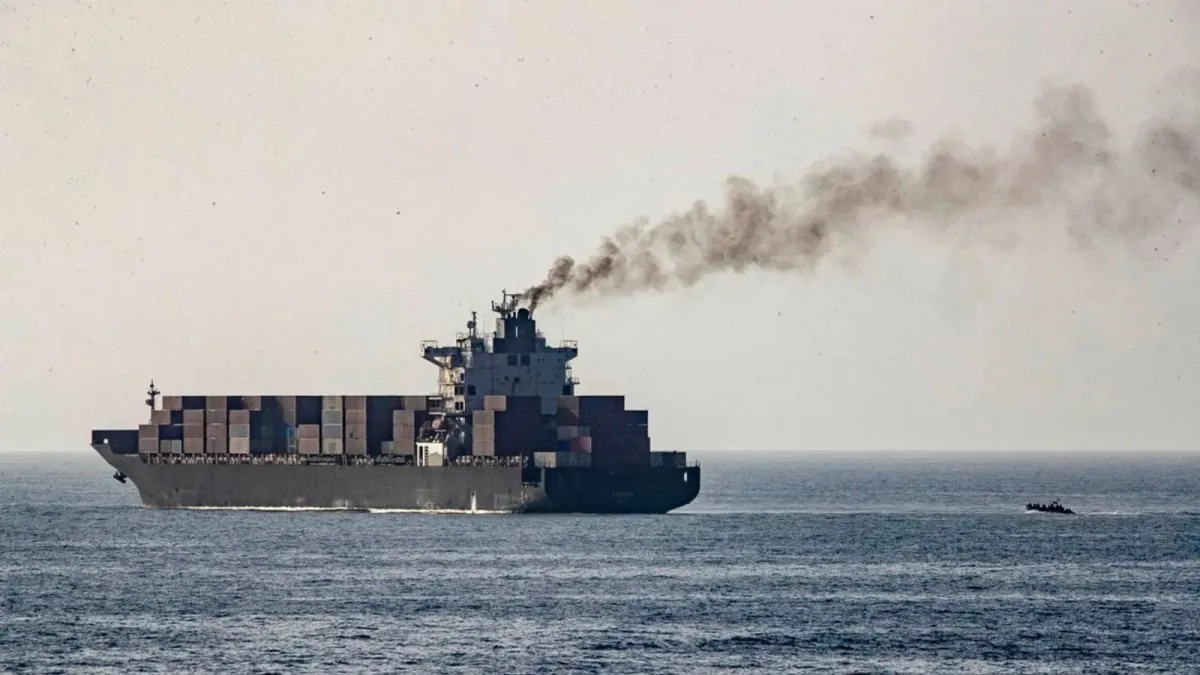
According to Central Command, the airstrikes were a deliberate and powerful reaction to what officials called unwarranted hostility. The trigger was Thursday’s attack on a commercial ship exiting the strategically vital Strait of Hormuz, one of the world’s most important shipping corridors.
President Donald Trump connected the strikes to a broader breakdown in trust, accusing Iran of breaching a ceasefire that both nations had formalized just last week through a signed memorandum of understanding.
Notably, the targeted vessel emerged largely unscathed. No crew members were hurt, and the ship continued on its route without interruption.
Iran Pushes Back
Iran did not claim responsibility for striking the ship. Even so, earlier in the day Tehran issued a pointed warning that it would not accept any passage through the waters without its consent.
A deputy foreign minister argued that safe transit could not rest on loosely defined arrangements, alternate routes, or decisions made without Iran’s input as a coastal nation. He insisted that any legitimate framework had to involve direct coordination with Tehran.
That statement, coming just hours before the American strikes, left the fragile ceasefire looking increasingly unstable and deepened uncertainty about how solid the underlying agreement really is.
A Shaky and Disputed Agreement
The memorandum of understanding between Washington and Tehran appears to be on uncertain footing. Reports indicate that a 60-day window of technical talks is underway to hammer out how the broadly worded deal will actually be put into practice.
In the meantime, both governments have offered their own interpretations of the terms and traded accusations over who has violated them. Speaking from the Oval Office earlier Friday, Trump voiced his displeasure over the ship attack, saying Iran should not have acted that way and hinting that consequences would follow.
Progress on a Separate Front
Despite the renewed friction in the strait, the day also brought a diplomatic development elsewhere in the region. Secretary of State Marco Rubio announced a three-way agreement involving the United States, Israel, and Lebanon that paves the way for Israeli forces to pull back from two areas in southern Lebanon. The deal followed a fifth round of U.S.-led negotiations held in Washington.
Reactions to the arrangement split sharply:
- Israeli Prime Minister Benjamin Netanyahu hailed it as a major accomplishment, noting it would still permit Israel to maintain much of its presence in Lebanon.
- Hezbollah, the Iran-backed group, condemned the agreement as a surrender by Lebanon.
The contrasting responses underscore how even apparent diplomatic gains in the region remain deeply contested, unfolding against a backdrop of rising tension between the United States and Iran.
Author