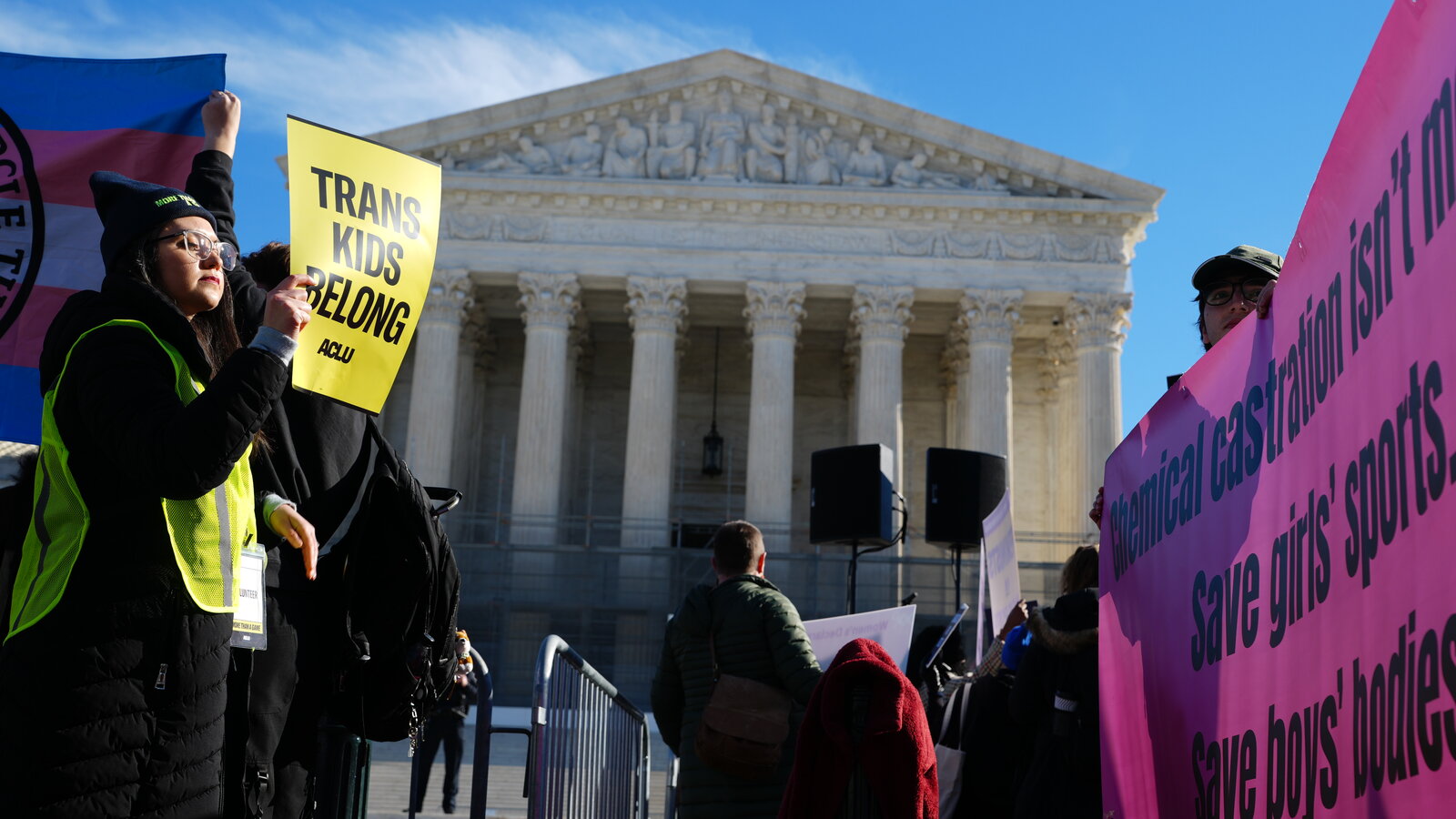
The Supreme Court ruling on transgender athletes handed Republicans a clear political victory this week, yet the reaction from the other side of the aisle was striking mostly for its silence. When the justices upheld state bans preventing transgender women from competing in women’s sports, Democrats largely chose to say nothing at all.
A Muted Response to a Major Decision
Tuesday’s ruling could have sparked a fierce national debate. Instead, it produced something closer to a collective shrug from Democratic leaders. Republicans, of course, seized the moment to celebrate, but their opponents seemed in no hurry to revisit a subject that caused them real trouble during the previous campaign cycle.
The pattern was hard to miss. None of the Democrats frequently floated as possible presidential candidates for 2028 offered any public comment on the decision. Candidates battling for crucial congressional seats followed the same playbook, keeping their opinions to themselves.
Who Actually Spoke Up
The handful of Democrats willing to criticize the ruling shared a common trait: they represent solidly liberal districts or states where the political risk was minimal. Among them were Senator Elizabeth Warren of Massachusetts and Representative Sarah McBride of Delaware, who made history as the first openly transgender member of Congress.
For most others, though, the topic had already faded from their messaging well before the court weighed in. The evidence is telling. Throughout June, which marks LGBTQ Pride month, not a single Democratic candidate used the word “transgender” in a television advertisement, according to figures compiled by the media tracking firm AdImpact.
The Strategy Behind the Silence
Why would an entire party go quiet on such a prominent ruling? The likely answer is calculation rather than indifference. By refusing to engage, Democrats deny Republicans the fuel they need to keep the issue burning in front of voters heading into a fiercely contested midterm election, one where control of Congress hangs in the balance.
This restraint traces back to lessons learned the hard way. Two years earlier, Republicans, with President Trump leading the charge, turned transgender participation in women’s athletics into a powerful wedge issue. They framed Democrats as a party willing to sacrifice fairness and even athlete safety in the name of ideology.
The message landed. Public sentiment on the question of fairness was so lopsided that many Democrats simply abandoned the conversation. A poll conducted by The New York Times and Ipsos in January 2025 found that close to 80 percent of Americans opposed letting transgender athletes compete in women’s sports.
Republicans Keep the Spotlight On
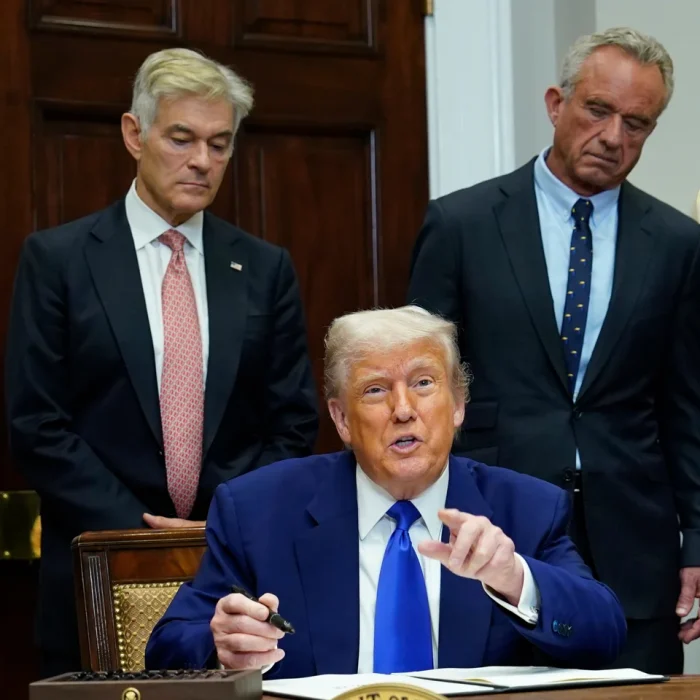
Democratic silence did not stop Republicans from trying to draw attention to their win. President Trump took to social media with characteristic enthusiasm, declaring the decision a major victory and claiming it removed what he called a ridiculous situation from the table.
The tactic played out in individual races as well. Representative Ashley Hinson, campaigning for a Senate seat in Iowa, used her opponent’s quiet response to raise questions about where he really stood. She argued that anyone should be eager to celebrate the outcome, and suggested his reluctance to comment spoke volumes.
Her opponent, State Representative Josh Turek, eventually broke his silence. A two-time Paralympic gold medalist who competed on the U.S. men’s wheelchair basketball team, Turek told reporters he backed the court’s decision. Drawing on his own athletic career, he said he did not believe biological males should compete against females in sports.
A Victory That Feels Less Urgent
Some conservatives acknowledge that the ruling carried less punch than it might have a few years ago. May Mailman, who directs the Independent Women’s Law Center and previously served in the Trump White House, observed that transgender advocacy simply feels less prominent in daily life now, especially across red states.
She recalled a period when the topic was one of the most charged in politics, describing how retail stores nationwide once featured transgender mannequins in their displays. That kind of visibility has receded, she noted, as public opinion has grown more settled.
In an ironic twist, Mailman suggested that by prevailing in the court of public opinion, Republicans may have blunted one of their sharpest political weapons. The ruling, she said, doesn’t hand the party something new so much as confirm what most people already accept as true.
Competing Explanations and Internal Lessons
There may be a simpler reason the transgender decision drew limited attention. It arrived on the same day as other significant rulings, including one rejecting an attempt to eliminate birthright citizenship and another easing campaign finance limits.
Still, a few liberal Democrats refused to let the moment pass. Representative Seth Moulton of Massachusetts, who is challenging Senator Ed Markey in a primary, used the ruling to court progressive voters. The move was notable given his own history. Two years ago, Moulton faced sharp criticism after telling The New York Times he didn’t want his daughters facing male or formerly male athletes on the field.
This time his tone shifted dramatically. He argued that sweeping bans overreach by targeting recreational athletes who simply want to play alongside friends, intruding on their privacy and inviting government to micromanage local schools.
Most Democrats, however, appear guided by a different lesson entirely. The party’s own postmortem on Kamala Harris’s 2024 loss to Trump concluded that her defeat owed partly to his highly effective attacks on her defense of transgender rights. The resulting report advised candidates to steer clear of identity politics and focus instead on the cost of living.
What Comes Next
Some Republicans are wagering that the issue will roar back to life should Democrats regain power. Mailman compared it to the debate over diversity, equity, and inclusion programs that the Trump administration has worked to dismantle. The real question, she suggested, is whether such issues have truly disappeared or are merely lying dormant, waiting for the right moment to return.
Author