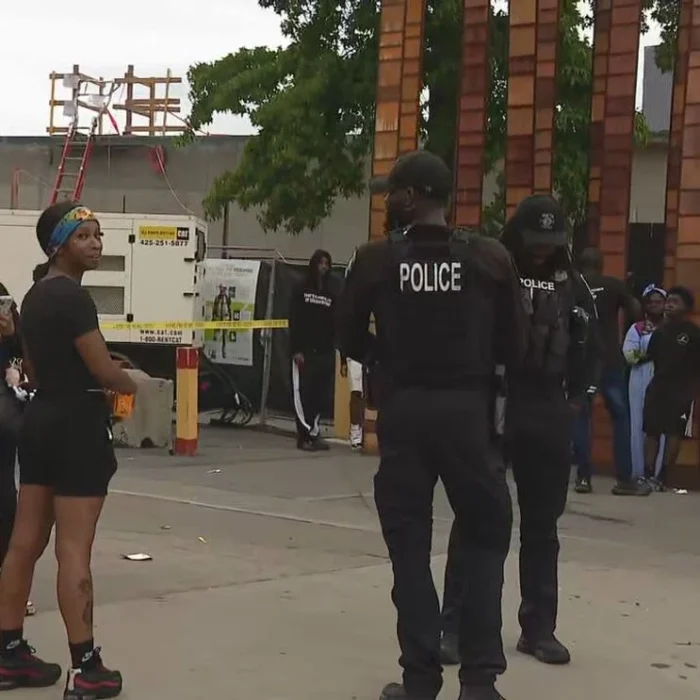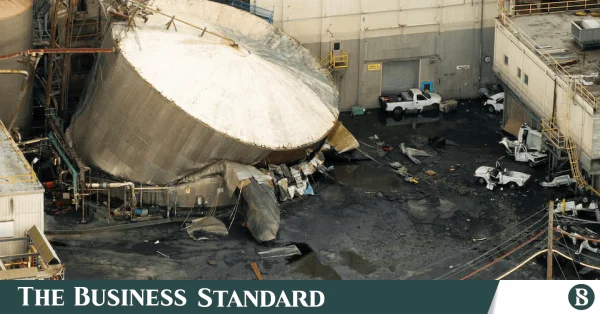
The Washington chemical tank rupture that claimed 11 lives at a pulp and paper mill last month killed every victim through chemical burns, officials confirmed Thursday as they released the autopsy findings. All of the deaths were ruled accidental.
What Happened
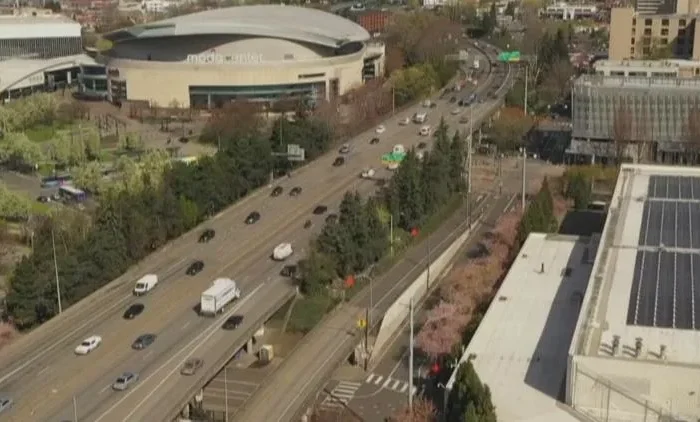
The disaster struck on May 26 at Nippon Dynawave Packaging in Longview, a city about 50 miles northwest of Portland along the Washington-Oregon border.
A massive tank holding white liquor, a chemical mixture central to the paper-making process, catastrophically failed in what authorities described as a blast powerful enough to damage much of the facility. The 900,000-gallon tank was roughly two-thirds full when it gave way.
White liquor is used to break down wood into paper pulp and is made up of sodium hydroxide, sodium sulfide, and disodium carbonate. When the tank ruptured, those caustic chemicals proved deadly.
In all, 11 employees were killed and several others were seriously injured.
The Autopsy Findings
The Cowlitz County Coroner’s Office handled autopsies for 10 of the victims, while a separate office examined the eleventh.
Eight of the workers died from alkaline chemical burns: Jared Ammons, 35; Norman Barlow, 58; Gilberto Bernal, 52; Bradley Covington, 27; Tyler Covington, 29; Clinton Doran, 26; John Forsberg, 51; and Dale Miller, 54.
Two others died from a combination of injuries. Robert Wilson, 48, succumbed to alkaline chemical burns along with blunt force injuries, while Braydon Finkas, 38, died from alkaline chemical burns and asphyxia caused by the aspiration of a foreign object.
The eleventh victim, 27-year-old Dillon Miller, was taken to a hospital in Portland, where he later died. The Multnomah County Medical Examiner determined his death resulted from sodium hydroxide and sodium sulfide burns, findings consistent with the other victims’ alkaline chemical burns.
In every case, the manner of death was ruled an accident.
A Community in Mourning
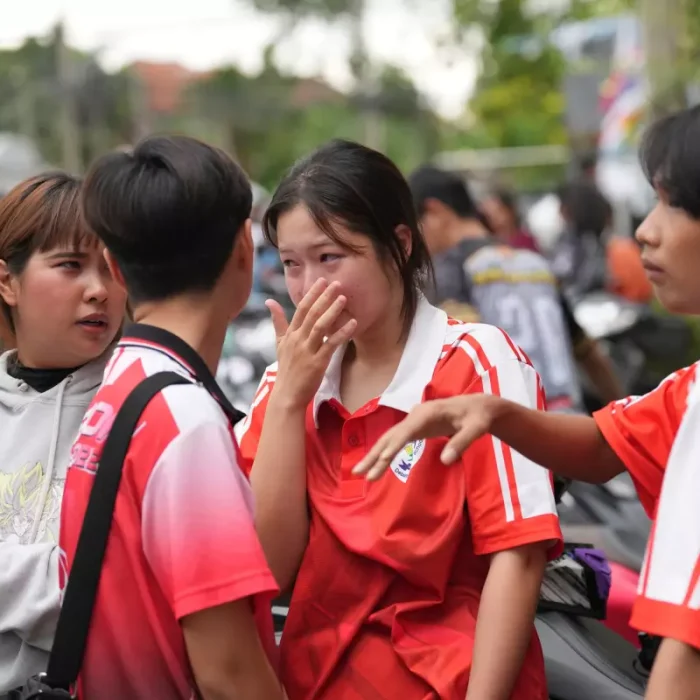
Cowlitz County Coroner Dana Tucker described the event as a “horrific tragedy,” calling it one of the most significant the community has endured since the eruption of Mount St. Helens in 1980. The comparison underscores just how deeply the loss has shaken the region.
The Investigation Ahead
State and federal agencies are now working to determine exactly how the tank failed and what can be done to prevent a similar catastrophe in the future.
The Washington State Department of Labor and Industries said its investigation will also examine whether any workplace safety violations contributed to the disaster. That probe is expected to take roughly six months to complete.
For now, the findings offer grieving families a measure of clarity about how their loved ones died, even as the larger question of why the tank ruptured remains unanswered.
Author