Trump Signals a Massive Attack on Iran May Be Imminent
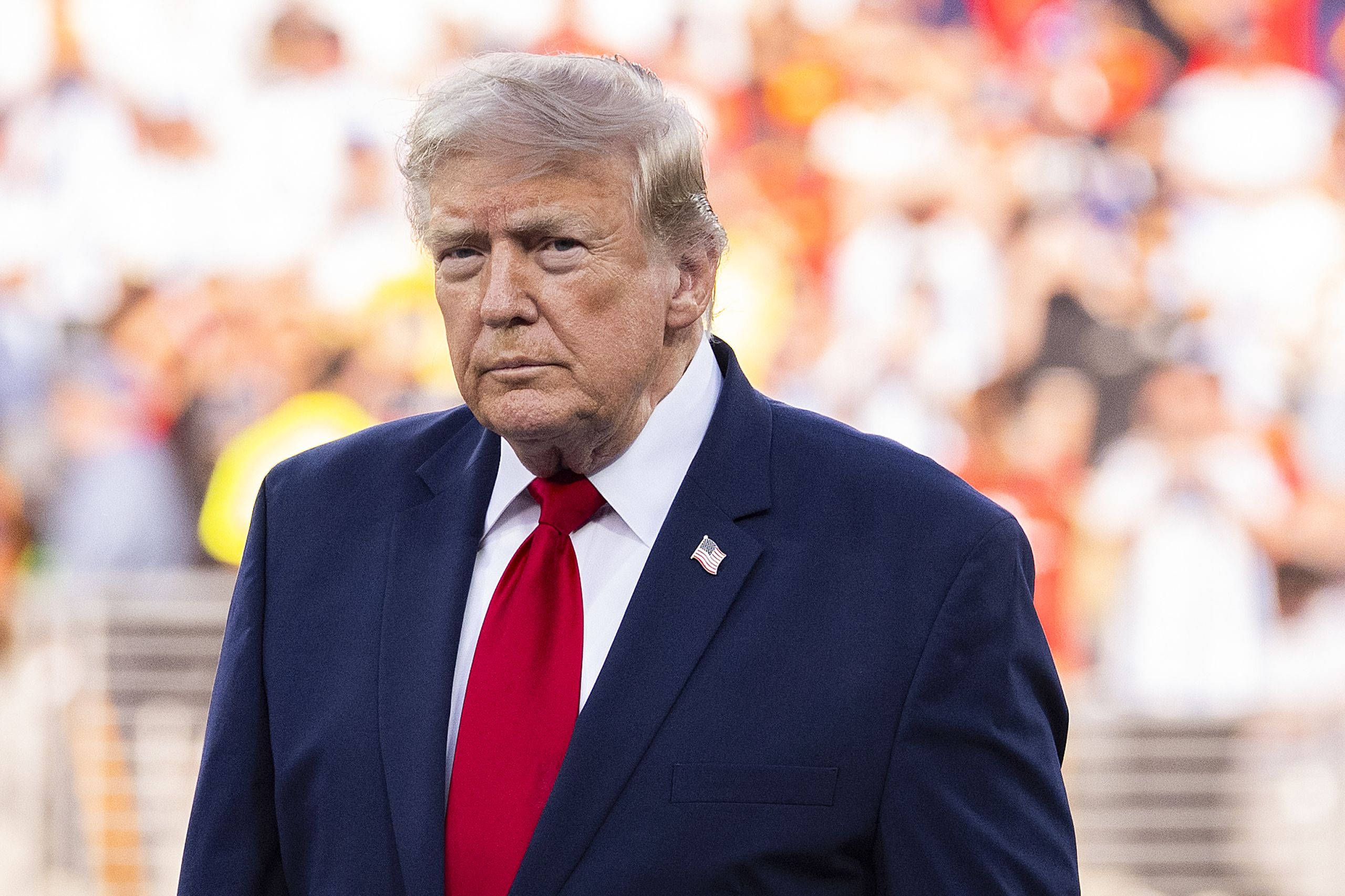
A massive attack on Iran is under active consideration by President Donald Trump, who told the news outlet Axios on Thursday that he is nearing a decision on strikes larger than anything carried out during the months of fighting so far.
His phrasing was unambiguous. He said he is weighing an assault bigger than any previous operation, that a decision is close, and that everything is prepared.
Trump acknowledged such a move would carry consequences, while stressing he has not finalized anything. He also claimed Israel would join within two minutes if asked — then immediately added that the United States does not need anyone.
What Happened Overnight
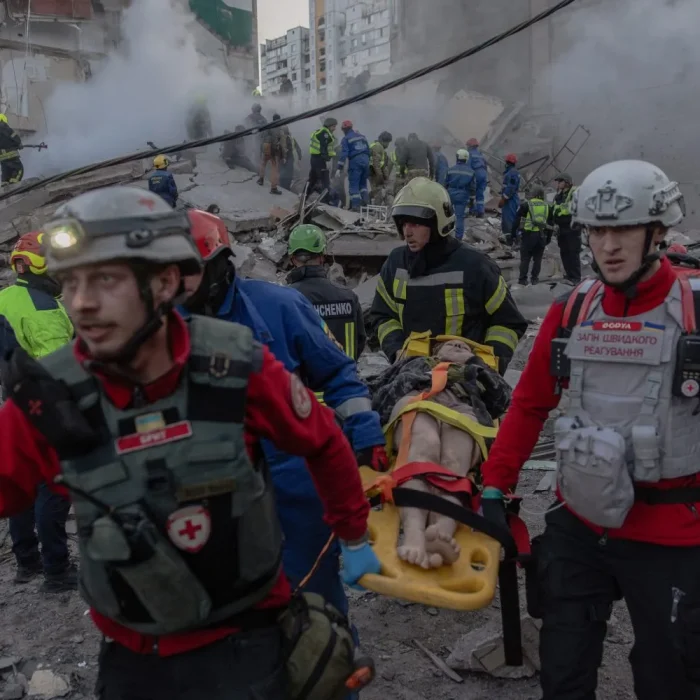
Hours after those remarks, American forces conducted a thirteenth consecutive night of strikes on Iranian territory, an operation lasting more than two hours.
Iranian state media described explosions across multiple areas:
- Qeshm and Bandar Abbas, along the Strait of Hormuz
- The country’s northwest
- Tehran itself
Despite the president’s language about escalation, the strikes appeared consistent in scale and intensity with the campaign already underway.
The Trigger: Attacks on Saudi Tankers
Trump’s comments came after he threatened major military punishment against both Iran and the Houthis, following the Yemeni militia’s assault on two Saudi oil tankers in the Red Sea.
The group’s Saba news agency reported that the rebels hit two vessels, the Encelia and the Layla, setting fires aboard both. No casualties were reported. It was the first confirmed strike on a ship since the Houthis declared a blockade of Saudi-linked traffic.
On social media, Trump laid out a doctrine of proxy responsibility: if the Houthis repeat the attack, Washington will treat Iran as accountable on the grounds that the militia acts as Tehran’s surrogate, and severe military consequences will follow for both.
A Second Shipping Lane Under Threat
The strategic problem here is compounding. With traffic through the Strait of Hormuz already largely halted, Saudi Arabia had shifted to shipping oil to Asia through the Red Sea port of Yanbu. The Houthi blockade now puts that route in jeopardy as well.
Vessels began reversing course this week rather than transit the Bab el-Mandeb strait.
Maritime analysis firm Lloyd’s List Intelligence characterized the situation as a double blow layered on top of the Hormuz disruption, raising real questions about whether the alternative route remains viable at all.
The stakes are considerable. Roughly 12 percent of global trade moves through Bab el-Mandeb, including about a quarter of the world’s container traffic, linking Europe and Asia via the Suez Canal.
Brent crude, the international benchmark, pushed past $100 a barrel on Thursday, with analysts suggesting further increases are possible.
Reports of Iranian Support Flowing to Yemen
Reuters reported Thursday, citing four sources including two Iranians, that Tehran flew Islamic Revolutionary Guard Corps personnel and military equipment to Yemen on July 13. The transfer reportedly coincided with Iranian appeals for the Houthis to shut down Bab el-Mandeb.
That timeline places Iranian advisers and drone components in Yemen roughly ten days before the tanker strikes.
The UN Warns of Something Worse
Secretary General António Guterres delivered a stark assessment to the Security Council, warning that the Middle East is being pushed toward the edge of the unimaginable.
He described a situation slipping beyond anyone’s control, with the region drawn into a widening circle of confrontation. Each crisis, he said, generates the next one, and each escalation triggers another.
His closing observation was perhaps the most pointed: the political objectives that started this are becoming lost inside the confrontation itself.
Governments Are Pulling Back
Practical preparations for something worse are already visible.
The United Kingdom temporarily withdrew diplomatic staff from Iran on Wednesday. Germany announced Thursday that it would remove two naval vessels from the Red Sea. Israeli cities opened bomb shelters, and the U.S. State Department cautioned Americans in the region that flights could be canceled.
An Escalation Trap
The pattern of the past week suggests a president reaching for progressively harsher threats without securing an off-ramp.
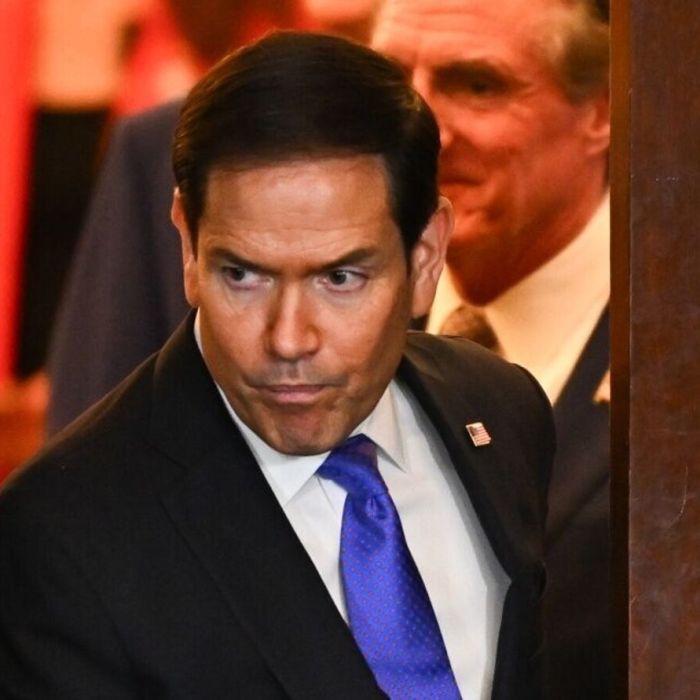
On Wednesday, Trump declared that the United States would destroy a bridge or power plant every time Iran fired on a ship in the strait. Secretary of State Marco Rubio described the president’s posture as seeking a head for an eye, following the deaths of several American service members in an Iranian strike on the Muwaffaq Salti airbase in Jordan.
Yet speaking on the sidelines of the ASEAN conference in Manila, Rubio also claimed Iran was begging for a deal, insisting Tehran needs to come to its senses and will pay dearly for its actions — assertions U.S. officials have made repeatedly without evident result.
Iran, for its part, has launched lethal attacks on American bases and Gulf allies during the conflict.
A Surprise Condition on the Saudi Nuclear Deal
In a separate development, Trump clarified Thursday that an announced arrangement for U.S. assistance with Saudi Arabia’s civilian nuclear program would require the kingdom to normalize relations with Israel under the Abraham Accords.
Riyadh has resisted normalization for years, conditioning it on tangible progress toward Palestinian rights and statehood.
It later emerged that Trump had not discussed this new requirement with Saudi officials before announcing it.
Political Pressure at Home
The domestic picture is deteriorating alongside the regional one. Trump’s approval numbers are falling, and the war with Iran is deeply unpopular with American voters.
With autumn midterm elections approaching, the administration is running out of time to produce a resolution on Washington’s terms.
Congress is registering that discontent. The House of Representatives narrowly approved a resolution Thursday to halt U.S. military operations in Iran — the second such rebuke directed at the president.
Where This Stands
The gap between rhetoric and action remains notable. Trump describes preparing something unprecedented while the actual tempo of strikes holds steady. Rubio describes Iran as desperate for negotiations while the fighting intensifies.
What is measurably changing is the economic damage: two major shipping corridors compromised, oil above $100, and allied governments quietly evacuating personnel. Those are the indicators worth watching, regardless of what gets said next.
Author
-
Lucienne Albrecht is Luxe Chronicle’s wealth and lifestyle editor, celebrated for her elegant perspective on finance, legacy, and global luxury culture. With a flair for blending sophistication with insight, she brings a distinctly feminine voice to the world of high society and wealth.