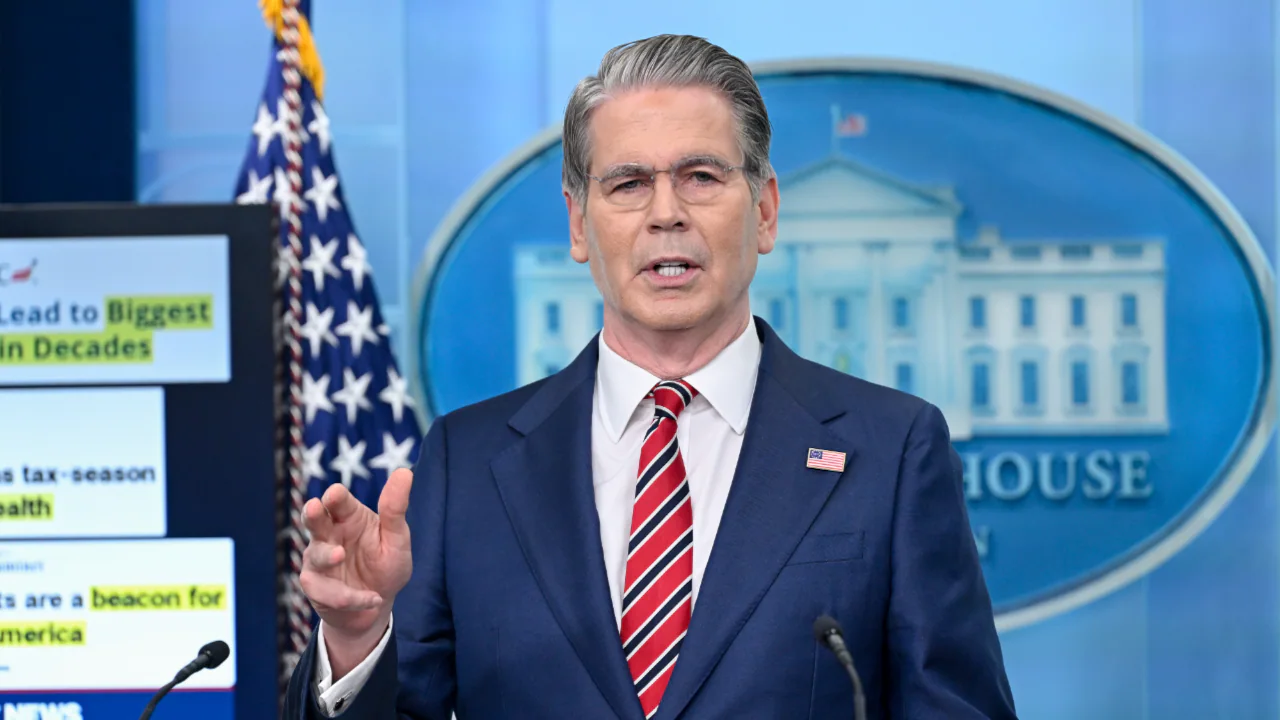
Iran economic D-Day sanctions are set to move from threat to detail this week, as Treasury Secretary Scott Bessent prepares to lay out the administration’s next round of financial pressure on Tehran at a Monday news conference.
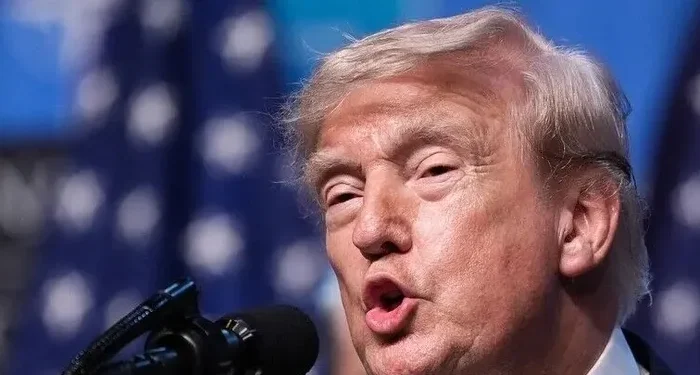
Bessent previewed the move in a Financial Times op-ed, warning that an economic D-Day is coming for Iran, language that closely echoes threats President Trump has issued repeatedly in recent weeks.
Enforcement Over Expansion
According to a former Treasury official who spoke with CNN, the coming measures are more likely to sharpen enforcement of existing sanctions than to introduce entirely new categories of restrictions.
Miad Maleki described Iran’s economy as already subject to what he called the most comprehensive sanctions regime in the history of sanctions. In his assessment, Washington has essentially reached maximum designation capacity, meaning nearly every entity or activity that could plausibly be sanctioned already has been.
That does not mean pressure has peaked, however. Maleki argued the real leverage remaining lies in enforcement, actually ensuring existing restrictions are followed rather than simply expanding the list of targets.
Oil is expected to be a central focus. Cutting more effectively into Iran’s petroleum exports would strike at what remains its primary economic lifeline, regardless of how many sanctions already sit on the books.
Cracks Within Iranian Leadership
The pressure campaign arrives as apparent divisions surface inside Iran’s government over how to respond.
President Masoud Pezeshkian has suggested a shift in tone, stating that the country cannot sustain war indefinitely. That comment stands in contrast to other figures within the leadership who continue to reject any dialogue with Washington.
Such daylight between officials, when it becomes visible publicly, often signals genuine internal debate over strategy rather than simple messaging discipline breaking down. Whether Pezeshkian’s more conciliatory framing reflects an emerging consensus or a minority position within a divided government remains unclear from outside.
Warnings Over the Strait
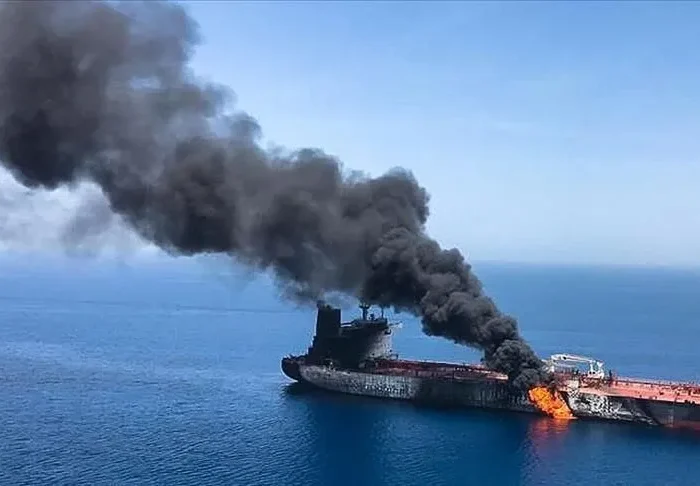
Iran has issued its own warning tied to the ongoing standoff, cautioning that vessels violating transit rules in the Strait of Hormuz could face penalties ranging from detention to outright confiscation.
That threat comes against a backdrop of already suppressed shipping activity through the waterway, which has remained well below typical volumes throughout the conflict. The combination of naval risk and now explicit legal threats gives commercial shippers additional reasons for caution.
A Country Accustomed to Economic Pain
Despite the administration’s escalating rhetoric, observers note that Iran has spent decades adapting to sanctions pressure and has built out sophisticated methods for mitigating their effects.
Barter arrangements, alternative payment networks, and trade routed through intermediary countries have all featured in Iran’s playbook for keeping essential goods and revenue flowing despite formal restrictions. That accumulated experience means a new round of enforcement, however aggressive, is unlikely to produce sudden capitulation.
This dynamic complicates the administration’s framing of an economic D-Day. The term implies a decisive, overwhelming blow, but Iran’s demonstrated resilience under previous sanctions waves suggests the effects, even if real, may unfold gradually rather than deliver the kind of abrupt shock the phrase implies.
Why Oil Remains the Key Lever
Oil exports have functioned as Iran’s most reliable source of foreign currency throughout years of sanctions, even under restrictive conditions. Buyers willing to accept discounted pricing, often routed through intermediary traders, have kept a meaningful volume of Iranian crude moving into global markets.
Tightening enforcement specifically around oil sales, rather than announcing new categories of sanctions, targets the mechanism most directly tied to the government’s actual spending capacity. That is likely why Maleki and others expect this to be the focus of Monday’s announcement rather than a broader expansion of the sanctions list itself.
What to Watch This Week
Bessent’s Monday press conference should clarify several open questions: whether the administration is targeting specific oil buyers or intermediary networks, whether new enforcement mechanisms accompany the announcement, and how allies are expected to participate.
The response from Tehran, particularly whether the apparent divide between Pezeshkian and hardline figures widens or narrows under fresh pressure, will offer an early signal of how the next phase of the conflict is likely to unfold. For now, both the rhetoric from Washington and the warnings from Tehran suggest a standoff that is intensifying rather than approaching resolution.
Author