The latest Arctic refuge oil lease auction landed with a thud on Friday, as the Trump administration’s much-touted effort to open one of America’s most pristine wildernesses to drilling drew almost no interest from the oil industry. Not a single major company placed a bid, leaving just two participants to claim a small slice of the vast territory on offer.
The result was a striking test of a promise made just over a year earlier — and one that critics say revealed the deep skepticism surrounding drilling in this remote and fragile landscape.
A Promise Put to the Test
The backdrop traces to last June, when Interior Secretary Doug Burgum, Energy Secretary Chris Wright, and EPA chief Lee Zeldin flew to Utqiagvik on Alaska’s North Slope tundra. Their stated mission was to unleash what they called Alaska’s extraordinary resource potential.
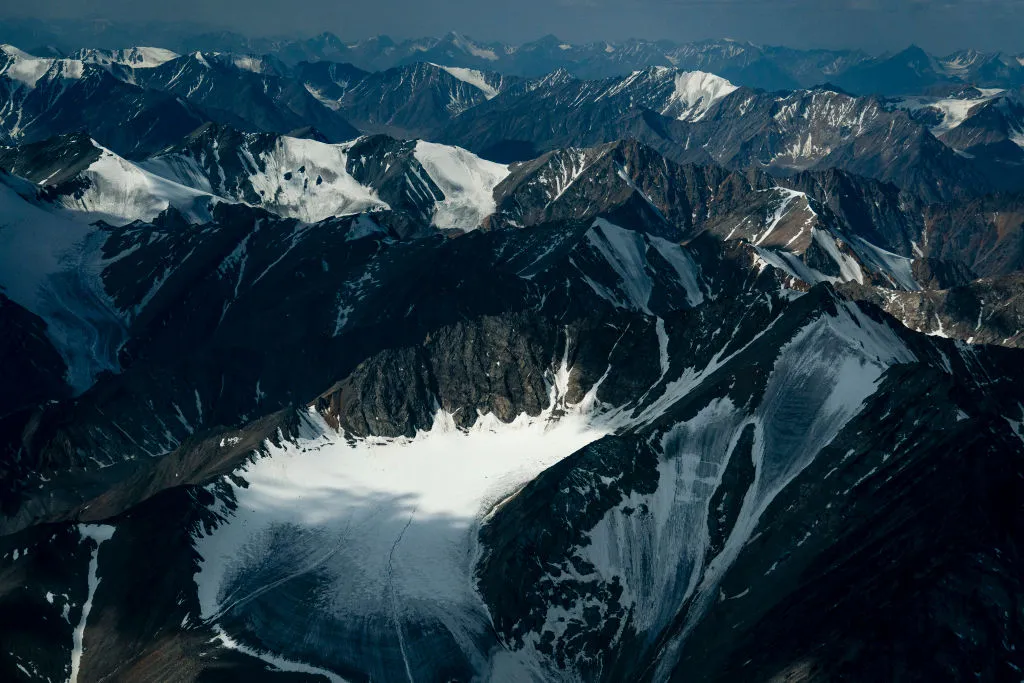
That pledge faced its real-world reckoning on Friday with the auction of oil leases in the Arctic National Wildlife Refuge (ANWR) — a sprawling expanse roughly the size of South Carolina, home to caribou, polar bears, and millions of migrating birds.
Underwhelming Results
The numbers told a clear story of limited enthusiasm. The auction attracted only two participants, who together agreed to pay $3.7 million for five tracts.
Those leases covered just 72,000 acres out of the 689,000 acres offered within the refuge’s massive 19.3-million-acre expanse. The two bidders were:
- Hex Energy, an Alaska-owned natural gas company
- AIDEA (Alaska Industrial Development and Export Authority), a corporation owned by the state government
Notably, AIDEA is not an oil company and would likely need to contract out any actual drilling. Neither bidder responded to requests for comment.
Officials Spin the Outcome
Despite the thin turnout, the agency that ran the auction tried to frame it positively. Kevin Pendergast, the Bureau of Land Management’s Alaska state director, declared at the announcement event that the interest had been solid.
He expressed optimism about the path ahead, saying officials looked forward to learning more about the subsurface of the area as leaseholders pursue exploration.
Critics Declare It a Failure
Opponents saw things very differently. The Gwich’in Steering Committee, an Alaska Native group whose members have deep ties to the Porcupine caribou herd that migrates across the refuge, flatly declared the auction a failure.
Kristen Moreland, the group’s executive director, argued that the absence of major oil and gas companies reflected an industry that understands drilling in the Arctic Refuge is a losing proposition. She vowed to keep fighting the administration’s leasing program and to work with allies to protect what she described as a sacred and irreplaceable landscape from any development.
A Familiar Pattern
The lackluster result echoed history. Trump’s first administration held a similar auction in January 2021 that also drew limited interest, with AIDEA serving as the main buyer. Those leases became entangled in litigation, and the Biden administration later canceled them. A separate auction just before Biden left office drew no bidders at all.
Gregg DeBie, a senior staff attorney at the Wilderness Society — which is suing to block development — said Friday’s sale fit a broader pattern of prioritizing drilling and extraction over conservation, public access, and long-term stewardship. He argued the administration treats these lands as assets to be given away, when they should instead be protected for future generations.
Part of a Bigger Push
The auction is one piece of a sweeping administration effort to open Alaska to development. That broader agenda includes expanding drilling on public land and in federal waters, green-lighting a 211-mile mining road north of the Arctic Circle, and advancing a new natural gas pipeline across the state.
Some of these initiatives revive energy and infrastructure projects that had stalled for decades. Administration officials defend them as necessary to meet energy and resource needs, bolster national security, and strengthen both the Alaskan and U.S. economies. Environmental advocates, however, have been horrified, and the projects have divided Alaska Native communities.
Divided Native Communities
That division runs deep among Indigenous groups, who hold sharply contrasting views on drilling.
On the supportive side, Voice of the Arctic Iñupiat — a coalition representing 22 Indigenous groups on the North Slope — backs drilling in ANWR if done correctly and if it delivers economic benefits. Part of the proceeds from oil development would be distributed among these communities.
The group’s president and CEO, Nagruk Harcharek, made the economic case personal. He said that from the North Slope perspective, the community wants development because it makes economic sense, allowing them to reinvest the money locally. Born in 1985, Harcharek recalled not having a flush toilet as a child until the early 1990s, when oil tax revenue helped fund modern sewage systems in Utqiagvik.
On the opposing side, Sovereign Iñupiat for a Living Arctic rejects the drilling. The group condemned the Interior Department’s October decision to rescind Biden-era protections for ANWR, as well as an earlier move to reinstate the leases AIDEA purchased in 2021.
Why the Bids Stayed Low
Some observers expected a stronger showing. According to an oil industry official who spoke anonymously, conditions seemed favorable: oil prices were spiking amid the war in Iran, and the administration was supportive.
The official noted that the refuge sits not far from the start of the Trans-Alaska Pipeline at Prudhoe Bay, which has spare capacity to easily bring oil to market. The economics, this person said, resemble those of the nearby National Petroleum Reserve in Alaska (NPR-A), with development in the refuge likely costing only a few more dollars per barrel.
For comparison, a March auction of NPR-A areas drew robust interest, selling 187 lease areas worth $163 million and covering 1.3 million acres.
Yet drilling in ANWR carries greater risk. Oil has already been successfully developed in the NPR-A, while the refuge had been off-limits for roughly half a century until leasing was written into a tax-and-spending bill during Trump’s first term. The industry official also pointed to the likelihood that environmental groups would fight far harder to stop development in the refuge.
Adding to the uncertainty, oil from ANWR could not reach market before the end of the Trump administration — raising the real possibility that a future Democratic administration could once again halt development.
The Environmental Stakes
For conservationists, the threat to wildlife is the central concern. Environmental groups including the Wilderness Society are challenging the administration’s moves, arguing they violate the Endangered Species Act and laws governing wildlife refuges.
DeBie outlined the ecological dangers in vivid terms. Building roads and oil infrastructure would fragment wildlife habitat and disrupt the migration of Porcupine caribou, which travel thousands of miles to the coastal plain to give birth. The development also threatens polar bears — listed as threatened under the Endangered Species Act — which dig dens in the area to raise their young.
He described a particularly grim scenario, explaining that oil companies bring in massive “thumper trucks” that pound the ground during winter, right where polar bears are denning. According to DeBie, that activity can crush cubs and cause mothers to abandon their dens.
Ultimately, DeBie rejected the notion that such development could ever be done responsibly, calling the landscape too pristine and fragile to support major industrial activity.
A Step Forward, or a Sign of Trouble?
Friday’s auction leaves the future of ANWR drilling deeply uncertain. While the administration secured a foothold by selling 72,000 acres of leases — a genuine step toward extraction in this untouched wilderness — the near-total absence of industry interest suggests the oil giants remain unconvinced.
Between legal challenges, divided communities, daunting timelines, and the ever-present risk of political reversal, the path from a modest lease sale to actual oil flowing out of the refuge remains long and fraught. For now, the caribou and polar bears of the Arctic Refuge share their home with little more than a paper promise.
Author