China Coal Mine Blast 2026: Tragedy Raises Hard Questions About Xi’s Energy Security Push
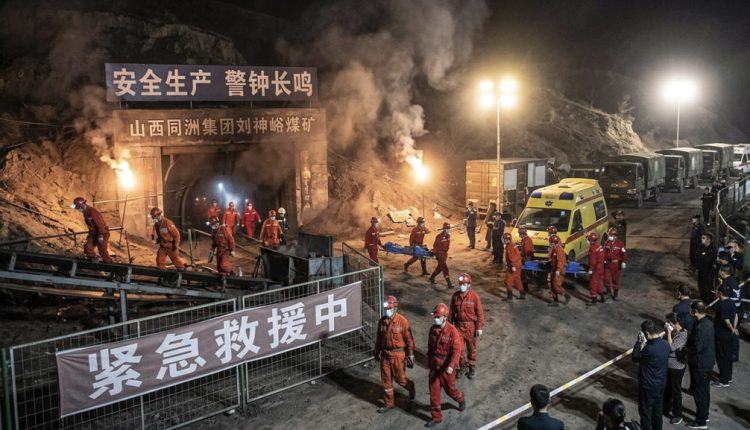
The China Coal Mine Blast 2026 has shocked the country and sparked uncomfortable questions about the true cost of Beijing’s aggressive push for energy security. The deadly explosion at the Liushenyu coal mine in Shanxi province, one of the most important coal-producing regions in the world, has become the worst Chinese mining disaster in years.
While China’s record-breaking coal output has helped cushion its economy from the global shockwaves of the Iran war, the tragedy is now forcing the country to confront the human cost of its rapid expansion of fossil fuel production.
A Tragic Disaster in Shanxi’s Coal Belt
The Liushenyu mine, located deep within Shanxi province, has become the latest grim reminder of the dangers tied to coal mining at scale. Although the mine is privately operated and considered mid-sized, it plays an important role in supplying coking coal — a key resource used primarily in steelmaking, not power generation.
While the mine accounts for only a fraction of Shanxi’s massive coal production, the disaster has captured nationwide attention due to its scale and the broader implications it raises about safety practices in the industry.
Rescue teams quickly arrived at the site, working under tense and dangerous conditions to search for trapped workers. Authorities have not yet released full details about the cause of the blast, but investigators are looking into a combination of structural issues, gas buildup, and possible safety lapses.
Why This Disaster Matters
Coal mine accidents are not new in China. Over the years, the country has experienced numerous deadly incidents, particularly in older or privately operated mines. However, the latest blast comes at an especially sensitive time for both the industry and the country’s leadership.
Several major factors make the Liushenyu disaster particularly impactful:
- It is the deadliest Chinese mining accident in several years
- It occurred during a period of intense coal output expansion
- It comes as China leans heavily on coal to maintain energy security
- It highlights ongoing concerns about safety oversight in private mines
- It raises questions about how far Beijing can push production without consequences
Coal remains an essential part of China’s energy mix, even as the country invests heavily in renewable energy. With global tensions disrupting oil and gas markets, coal has once again become a strategic priority.
How China’s Coal Output Shielded Its Economy
While much of the world has struggled with the economic fallout from the ongoing Iran war, China has been better insulated than most major economies. A big reason for that resilience has been its enormous coal production, which has helped power factories, stabilize electricity supplies, and reduce reliance on global energy imports.
Some of the key reasons China’s coal industry has played such a crucial role include:
- Rapid expansion of mining operations to meet growing energy demand
- Strong support from the central government for domestic coal production
- A nationwide push to ensure energy independence amid global instability
- Continued reliance on coal-fired electricity for industrial output
Even with all the talk of clean energy transitions, coal continues to act as the backbone of China’s energy system. The country has consistently broken its own production records, and this trend has only accelerated as global energy markets have grown more unstable.
The Pressure to Keep Producing
China’s leadership, especially President Xi Jinping, has emphasized the importance of energy security as part of the country’s long-term strategic planning. The push has accelerated since global energy markets were disrupted by geopolitical conflicts in recent years.
Although Xi has also promoted renewable energy development, coal remains central to China’s plan for economic stability. Local governments and private mining operators face constant pressure to boost production, sometimes at the expense of safety protocols and infrastructure investment.
This pressure has fueled criticism that some mines may be cutting corners or operating beyond safe limits in order to meet rising demand. The Liushenyu blast is now reigniting that debate at the national level.
Safety Concerns in the Coal Sector
The disaster has placed China’s mining safety record back in the spotlight. While the country has made significant improvements over the past decade — including modernizing many large state-owned mines — privately operated mid-sized facilities like Liushenyu often face fewer regulations and weaker oversight.
Common safety issues across China’s coal industry include:
- Aging infrastructure in older mines
- Inconsistent enforcement of safety standards
- Pressure to meet production quotas
- Gaps in worker training programs
- Concerns about the use of outdated equipment
Following the explosion, calls are growing for stricter regulatory oversight, more frequent safety inspections, and harsher penalties for noncompliance. Some experts believe the disaster could prompt the central government to launch a sweeping safety review across the entire coal sector.
Economic Implications Beyond the Tragedy
While the human cost of the tragedy is the most pressing concern, the blast also carries broader economic implications. Although Liushenyu is not a major producer of energy-grade coal, its role in supplying coking coal makes it important for steel production — a critical part of China’s manufacturing sector.
Disruptions in coking coal supply could ripple across:
- Steel manufacturing operations
- Construction projects
- Infrastructure development
- Auto and machinery production
- Global commodity markets sensitive to Chinese demand
If safety crackdowns lead to widespread temporary shutdowns of similar mines, supply pressures could grow even more significant. This is especially important given China’s recent push to maintain economic stability amid global financial uncertainty.
Public Reaction and Government Response
The Chinese public has responded with a mix of grief, anger, and frustration. Social media discussions have been filled with calls for accountability and concerns about safety conditions in mid-sized mines. Many are questioning whether profit-driven decisions in private mining operations are putting workers at unnecessary risk.
The Chinese government has launched investigations into the cause of the explosion. Officials have promised swift action against any party found to be responsible. President Xi’s broader emphasis on safety improvements within the energy sector is now being viewed in a more critical light.
The Bigger Picture: Energy Security vs. Human Safety
The Liushenyu tragedy underscores the deep tension at the heart of China’s energy policy. On one side is the strategic need to ensure stable, affordable, and secure energy. On the other side is the obligation to protect mine workers and ensure proper safety standards. Striking that balance is one of the most difficult challenges facing modern China.
Some of the major questions now being raised include:
- Can China sustain massive coal output while maintaining safe conditions?
- Are private mines being held to the same standards as state-owned facilities?
- Will Xi’s emphasis on energy security adjust in response to ongoing disasters?
- How can rapid production scale-up be reconciled with worker safety?
These questions will likely shape China’s policy decisions for years to come, especially as global energy markets remain volatile.
Final Thoughts
The China Coal Mine Blast 2026 at the Liushenyu mine has become one of the most consequential mining disasters in recent memory. It has revealed the heavy human price behind China’s drive for energy independence and raised serious concerns about safety standards across the coal industry.
As rescue and investigation operations continue, the country faces a moment of reckoning. The tragedy is a sober reminder that even as nations chase economic growth and energy security, the well-being of those on the front lines must never be overlooked. How China responds in the days ahead may shape both the future of its coal industry and the broader direction of its global energy strategy.
Author