The Grand Canyon is bracing for another wave of dangerous heat early next week, just days after three hikers lost their lives in heat-related incidents deep within the canyon. The warnings come as much of the American West contends with soaring temperatures and a growing wildfire threat near Sedona.
A Deadly Stretch in the Inner Canyon
Officials at Grand Canyon National Park are urging caution after a troubling spike in heat-related emergencies, including three deaths in less than a week.
The National Weather Service issued an extreme heat watch covering midday Monday through Tuesday. Forecasters expect temperatures at the low-elevation Phantom Ranch to climb to or beyond 110 degrees Fahrenheit (43 degrees Celsius) — conditions that can turn deadly quickly.
In response to what it called a recent surge in heat-related incidents, the National Park Service strongly advised visitors to avoid hiking during the hottest part of the day.
The recent deaths underscore just how serious the danger has become:
- On June 16, two hikers, ages 67 and 68, were found dead on the North Kaibab Trail — described by the Park Service as the most challenging of the major inner canyon routes. Both appeared to have suffered from heat-related illness.
- On June 12, a 72-year-old hiker died along the South Kaibab Trail after falling ill in the heat.
An extreme heat watch had already been in effect when the two North Kaibab hikers were discovered, highlighting how quickly conditions can overwhelm even experienced visitors.
Why the Grand Canyon Is So Deceptively Dangerous
Both park rangers and meteorologists stress that conditions at the Grand Canyon can fool hikers into underestimating the risk. The temperature at the rim is often 20 to 25 degrees cooler than at the canyon floor, creating a dangerous gap between how a hike begins and how it ends.
“It’s just a hot place at the bottom of the Grand Canyon,” said Justin Johndrow, a meteorologist with the National Weather Service office in Flagstaff. He noted that the region is now entering its hottest stretch of the year, with relief unlikely until the summer monsoon season arrives later on.
The danger lies in the structure of the hike itself. Visitors typically descend in cooler morning temperatures and find the downhill portion manageable. But the return trip is a different story — a grueling climb of thousands of feet back to the rim, often under brutal midday heat.
That combination allows symptoms of heat illness to creep up gradually, catching hikers off guard when they’re already exhausted and far from help.
“That’s very strenuous even on a mild day,” Johndrow said of the climb out. He warned that adding temperatures of 105 to 110 degrees creates serious, potentially life-threatening conditions.
A Wildfire Erupts Near Oak Creek Canyon
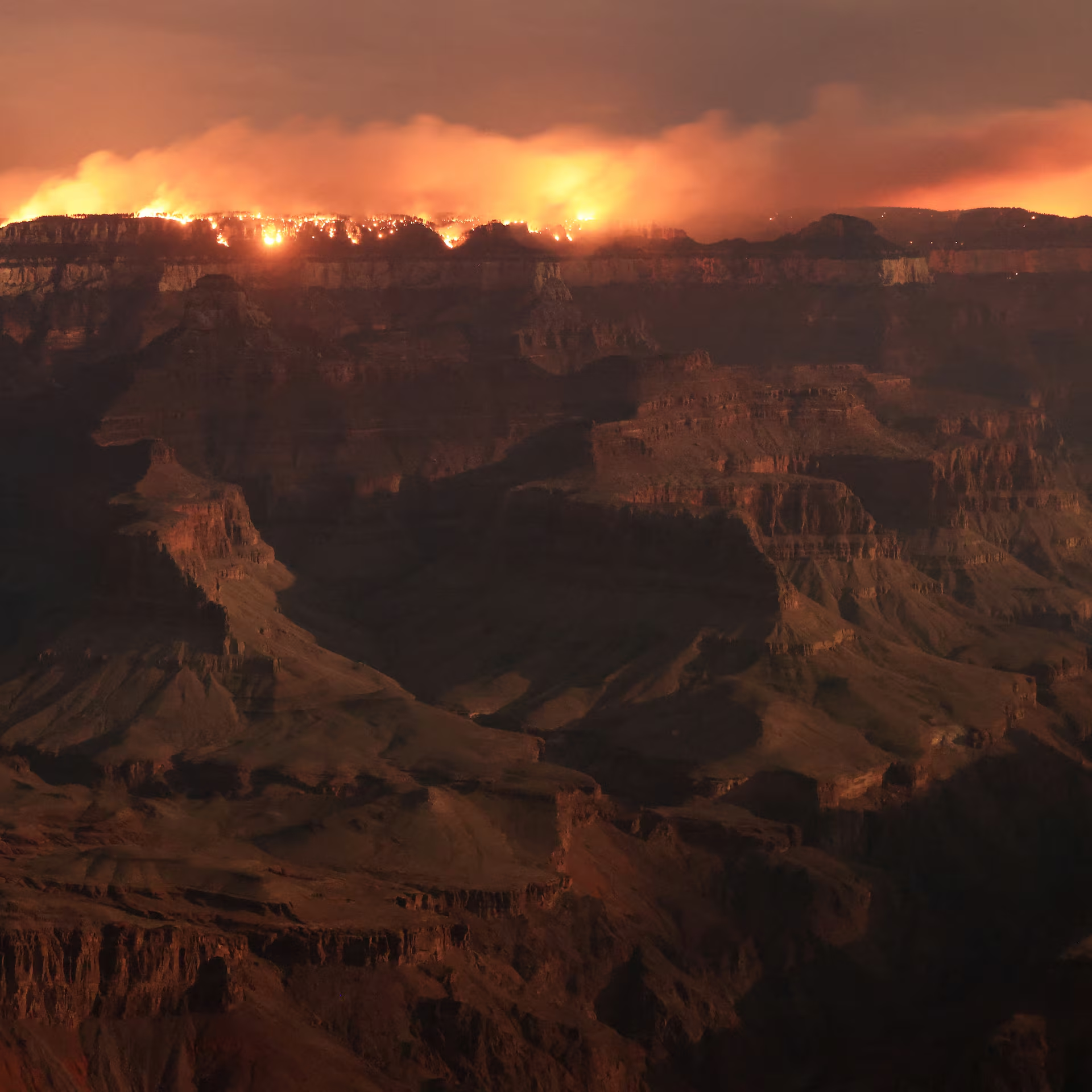
The danger isn’t limited to the heat. Roughly 90 miles south of the Grand Canyon, a fast-growing wildfire forced the evacuation of visitors and residents near Oak Creek Canyon late Friday as flames spread just north of Sedona.
Known as the Pocket Fire, the blaze had scorched nearly 300 acres of steep, rugged terrain. A federal interagency team and at least a dozen local agencies were mobilized to fight it, according to Dick Fleishman, a fire information officer with the Southwest area complex incident management team.
The fire was centered in the Red Rock-Secret Mountain wilderness area, about seven miles north of Sedona, but it had already begun pushing into the Coconino National Forest. Crews raced to contain the flames and prevent them from reaching Oak Creek Canyon or Sedona itself.
Why the Pocket Fire Is So Concerning
Fleishman explained that several factors make the Pocket Fire especially dangerous:
- The steep terrain makes firefighting difficult and hazardous
- Nearby homes and property are at risk
- Intense heat radiating from the fire complicates containment
- Post-fire flooding is a looming threat, as rainwater could rush down scorched slopes
“This fire ramped up in complexity quickly,” Fleishman said, emphasizing the goal of keeping the burn area as small as possible.
The impact on the surrounding area was immediate. About 30 miles of the adjacent state highway were shut down in both directions, and the Coconino National Forest issued a formal closure Saturday afternoon for all campgrounds, picnic sites, and trailheads in the vicinity.
Fleishman, who drove through the normally bustling region, described an eerie stillness. “For June 20,” he said, “I’ve never seen it that quiet.” Oak Creek Canyon typically draws millions of visitors each year.
A Region Under Pressure
The twin threats of extreme heat and wildfire reflect a broader pattern across the Western United States. From the Rockies to the Pacific Coast, much of the region saw above-average temperatures over the weekend, with even hotter weather expected early next week.
Officials warned that the prolonged combination of heat, dryness, and low humidity has significantly raised the risk of new fires igniting — a dangerous backdrop as the area heads deeper into its peak summer heat.
Staying Safe in Extreme Conditions
For anyone planning to visit the Grand Canyon in the coming days, the message from officials is clear: respect the heat. Hiking in the middle of the day can be deadly, and the canyon’s deceptive temperature swings leave little room for error.
Visitors are encouraged to start early, carry plenty of water, know their physical limits, and turn back before fatigue sets in. With temperatures expected to soar and fire danger rising across the region, caution this week could mean the difference between a memorable trip and a tragic one.
Author