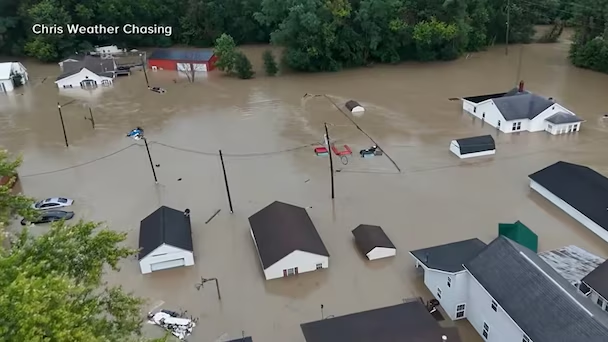
Fishers disaster emergency flooding measures are now in force after the city moved to formally declare a local emergency in response to what officials describe as some of the worst flooding the region has ever recorded.
Mayor Scott Fadness signed the declaration on Aug. 15, pointing to rainfall totals he called unprecedented. The sustained downpours have pushed the White River, Fall Creek and several other waterways to historic heights, spilling water into neighbourhoods, roadways and low-lying property across the city.
What the Declaration Actually Does
A local disaster emergency declaration is more than a symbolic gesture. It gives municipal leadership expanded authority to move quickly during a crisis, allowing the city to redirect resources, coordinate more directly with county and state agencies, and streamline decisions that would ordinarily move through slower channels.
It also creates a formal record of the event, which matters later when communities seek state or federal assistance for recovery costs.
City officials say the declaration will remain active through Saturday, Aug. 22. Whether it is extended will depend on how conditions develop over the coming week.
A Round-the-Clock Hotline for Residents
Alongside the declaration, Fishers has opened a dedicated hotline staffed 24 hours a day for non-emergency flood-related concerns.
Residents needing assistance can call 317-595-3211 at any time. The line is intended for issues that are genuinely disruptive but not life-threatening, easing pressure on 911 dispatchers who need to stay available for urgent calls.
For those who would rather not wait on the phone, the city has also published an online request form on its flood resources page, allowing residents to submit details about property damage, blocked drainage, debris or other problems directly.
Where to Find Updates
Because conditions can shift quickly during a flood event, the city is pushing information out across several channels at once. Updates are being posted to Fishers’ Facebook, Instagram, X and NextDoor accounts, as well as the official municipal website.
Checking more than one source is sensible during fast-moving weather. Road closures in particular can change within hours as water rises or recedes.
The Warning Officials Keep Repeating
Two instructions have been emphasised above all others: do not drive around barricades, and do not enter flooded areas.
These warnings get repeated during every major flood because they address the single most common cause of flood fatalities. The danger is easy to underestimate:
- Floodwater hides what is beneath it. A road that looks intact may have washed out completely underneath.
- Moving water exerts enormous force. It takes surprisingly little depth to lift a vehicle and carry it off the roadway.
- Barricades are placed for reasons drivers cannot see. Crews position them based on assessments of structural damage, not guesswork.
- Floodwater is contaminated. Runoff routinely carries sewage, fuel, agricultural chemicals and sharp debris.
Walking through floodwater carries its own risks, including submerged obstacles, downed power lines and currents strong enough to knock an adult off their feet.
Why This Event Is Different
Central Indiana sees seasonal flooding regularly, but the scale of this event stands out. When multiple waterways crest at once, the usual drainage relief simply is not available, because water has nowhere to go.
The White River and Fall Creek both running at historic levels means saturated ground across a wide area, overwhelmed storm systems, and a slower recovery once the rain finally stops. Even after skies clear, water can continue rising downstream for a day or more as upstream runoff works its way through the system.
Practical Steps for Affected Residents
For anyone dealing with water damage or disruption, a few actions tend to matter most in the early stages:
- Document everything before cleanup begins. Photographs and video of damaged areas and belongings are essential for insurance claims.
- Contact your insurer early. Standard homeowners policies often exclude flood damage, so understanding your coverage quickly prevents surprises later.
- Avoid electrical hazards. Do not enter a flooded basement or room if water may have reached outlets, panels or appliances.
- Keep receipts. Costs for temporary lodging, pumps, cleaning supplies and repairs may be recoverable.
- Report damage to the city. Submitting through the hotline or online form helps officials build an accurate picture of the event’s total impact.
Looking Ahead
The week ahead will determine how much of the current disruption becomes long-term damage. Officials will be monitoring river levels, assessing infrastructure and evaluating whether the emergency declaration needs to be extended beyond Aug. 22.
For residents, the most useful posture right now is patience combined with caution. Roads will reopen when they are genuinely safe, not before. Cleanup will take time. And in the meantime, the simplest advice remains the most important one: stay out of the water, respect the barricades, and use the hotline if help is needed.
Author
-
Lucienne Albrecht is Luxe Chronicle’s wealth and lifestyle editor, celebrated for her elegant perspective on finance, legacy, and global luxury culture. With a flair for blending sophistication with insight, she brings a distinctly feminine voice to the world of high society and wealth.