US and Iran strikes have once again rocked the Middle East, throwing a delicate ceasefire into serious doubt as both nations accuse one another of breaking the terms of a recent agreement. The renewed violence comes at a precarious moment, with Washington and Tehran in the midst of negotiating a deal to bring an unpopular and costly war to an end.
A New Round of Attacks
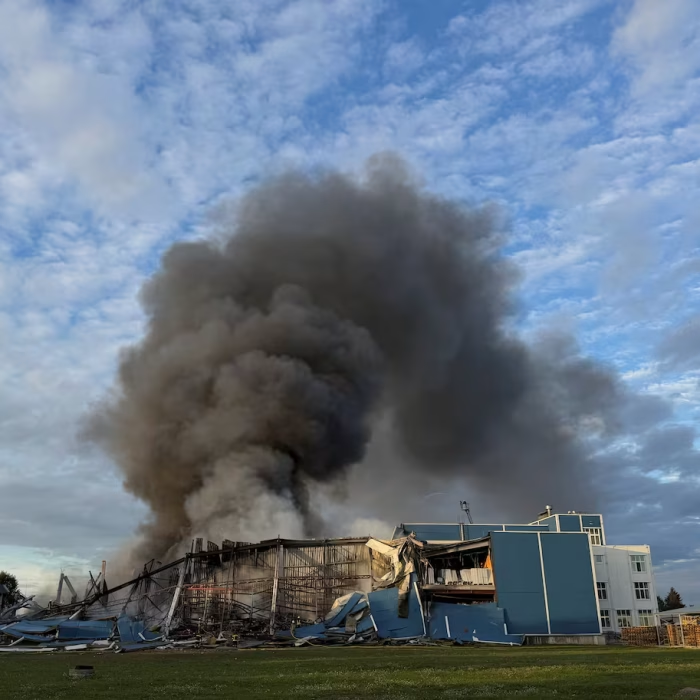
The latest escalation saw the US military strike multiple targets across Iran, just a day after launching retaliatory strikes following a drone attack on a cargo ship in the strait of Hormuz. According to US Central Command, the operation was a direct answer to what it called ongoing Iranian aggression against commercial shipping.
Centcom outlined the scope of its targets, which included Iran’s military surveillance infrastructure, communication networks, air defense installations, drone storage facilities, and minelayer capabilities. The strikes signaled a clear intent to degrade Iran’s ability to threaten vessels in the region.
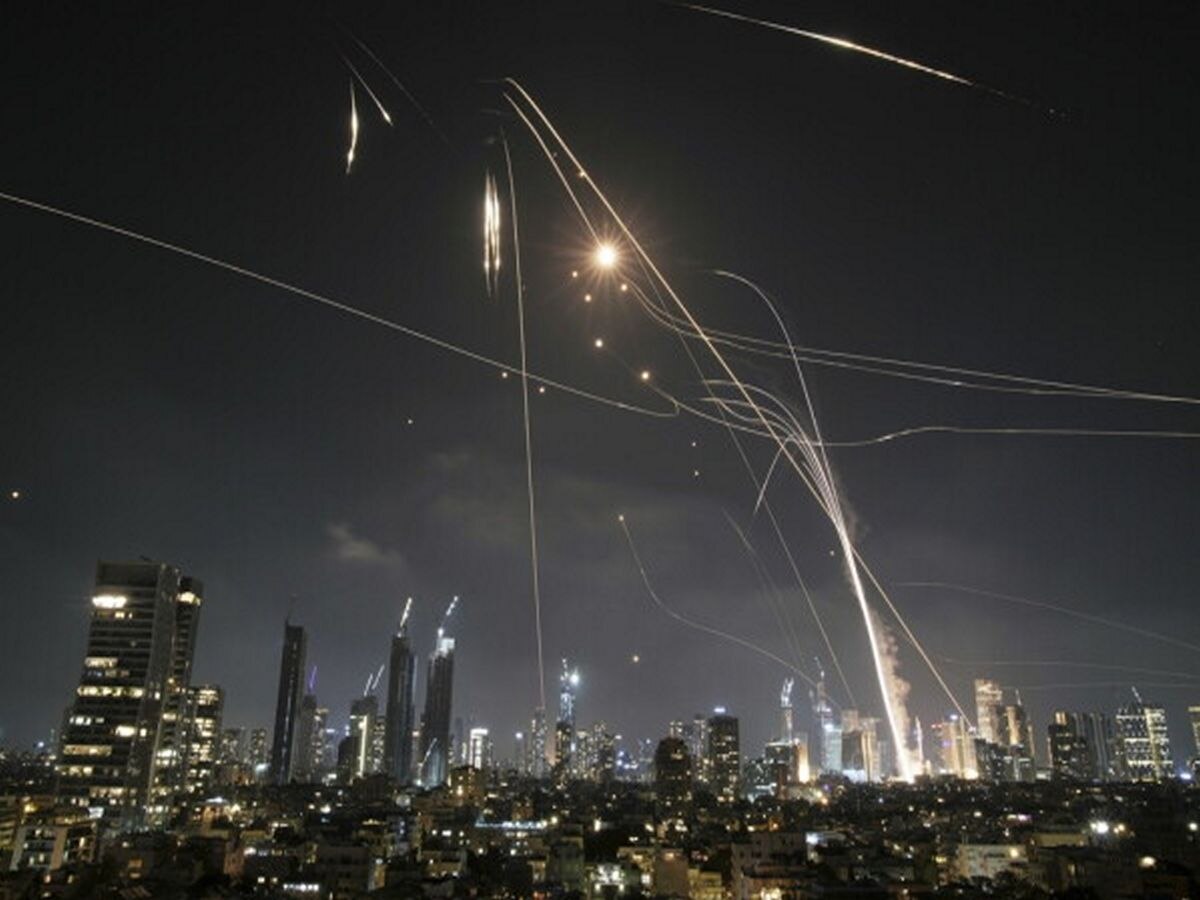
Iran wasted little time responding. Early Sunday, the Islamic Revolutionary Guard Corps announced it had carried out a coordinated missile and drone operation aimed at eight US military sites across Kuwait and Bahrain. The IRGC issued a stern warning, promising a crushing response to any further aggression and cautioning that violating the ceasefire would bring all diplomatic efforts to a complete halt.
Both Bahrain and Kuwait condemned the Iranian strikes, though it remained unclear whether the attacks had actually caused any damage.
A Peace Process Under Strain
The flare-up arrives at a sensitive juncture. Washington and Tehran have been working toward a memorandum of understanding designed to end a war that has driven global oil prices to dramatic highs and resulted in thousands of civilian deaths.
The recent exchanges have exposed just how fragile the situation remains. The peace effort, brokered by Pakistan, now hangs in the balance, with each side blaming the other for undermining an interim deal signed less than two weeks earlier. That agreement explicitly committed both countries, along with their allies, to avoid initiating war or military operations against each other and to refrain from threatening or using force.
The interim framework, built around 14 points, was intended to accomplish several goals:
- Halt the fighting that the US and Israel launched on February 28
- Reopen the strategically vital strait of Hormuz to shipping
- Begin talks on deeper issues, including Iran’s nuclear program
Trump’s Ominous Warning
President Donald Trump weighed in sharply as tensions mounted. Posting on Truth Social on Saturday, he hinted at a breaking point in US patience. He warned that there could come a moment when reasonable approaches were no longer possible, forcing the US to finish the military job it had started. Trump went further, suggesting that if such a scenario unfolded, the Islamic Republic of Iran would cease to exist.
His remarks underscored the high stakes and the narrowing window for diplomacy as both sides hardened their positions.
Diplomacy Falters
Just a week before the renewed clashes, there had been signs of progress. A round of mediated talks took place in Switzerland, led by Vice President JD Vance and Iran’s parliamentary speaker, Mohammad Baqer Qalibaf. Following those discussions, Washington moved to waive sanctions on Tehran, a gesture suggesting goodwill on both sides.
That momentum quickly dissolved. The fighting and mutual recriminations resumed and grew more intense, leaving the carefully negotiated process in jeopardy.
The Strait of Hormuz at the Center
Much of the conflict has centered on the strait of Hormuz, the world’s most critical energy shipping route. Iran had largely shut down the passage for most of the war, and reopening it was a key aim of the interim deal.
The most recent US strikes followed an attack on a Panama-flagged tanker, hit by an Iranian drone on Saturday. Centcom stated that Iran had been given the opportunity to honor the ceasefire but chose not to, framing the American response as a direct reaction to continued Iranian aggression against commercial vessels.
A US official confirmed to Reuters that Iran had targeted facilities in Kuwait and Bahrain, noting that the situation was still developing. As of the latest reports, there were no US casualties or significant damage to American sites in the Middle East.
For now, the region holds its breath, watching to see whether the battered ceasefire can survive or whether the two nations will slide back into open conflict.
Author