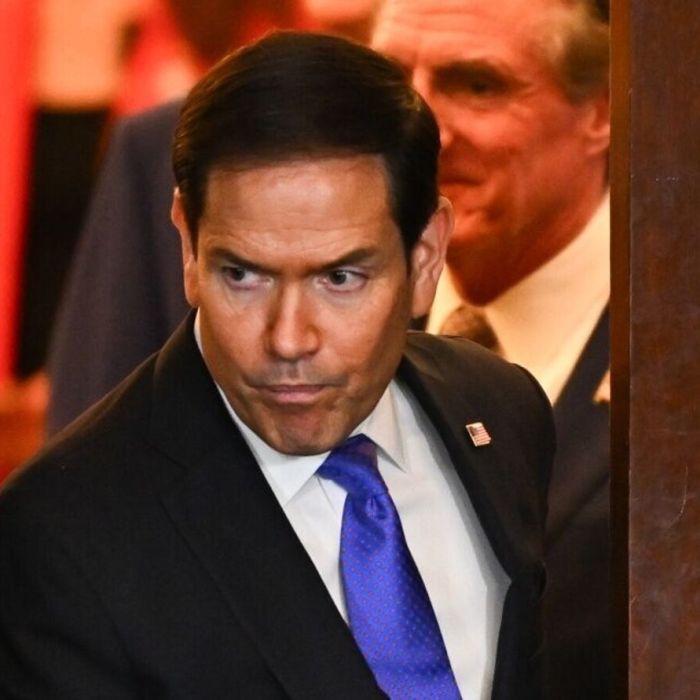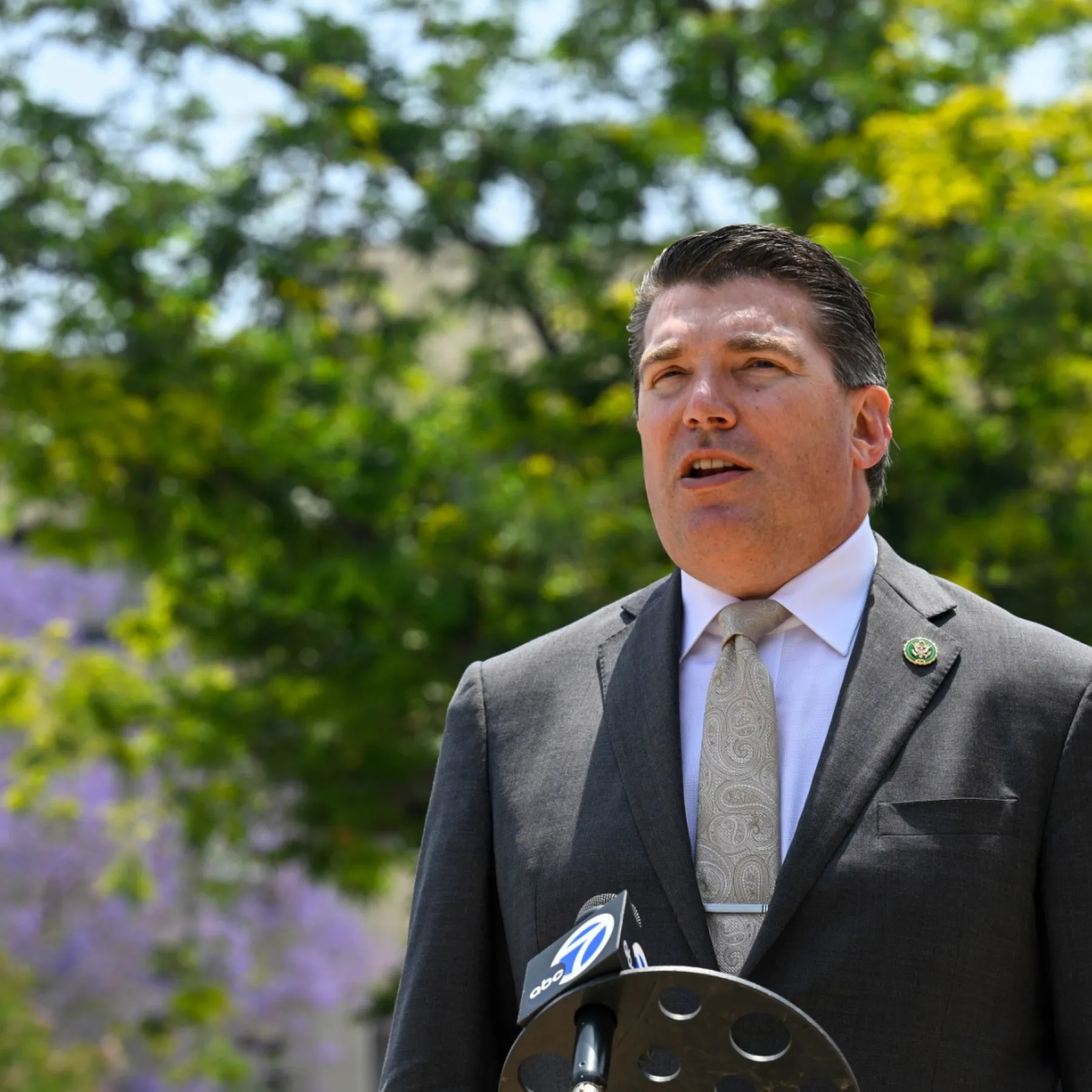
The AI bill House Republicans are now rallying around has a fast-moving champion in Rep. Jay Obernolte, who has laid out an ambitious plan to push his bipartisan artificial intelligence proposal through Congress, along with a route to securing a hearing on a central piece of it.
Breaking One Big Plan Into Many Bills
Speaking in an interview Monday night, the California Republican said he hopes to convert the draft framework he unveiled last Thursday into several separate bills, with the first expected to drop in the coming weeks. Each would then move through the committee that holds jurisdiction over its subject matter.
The reasoning is practical. As Obernolte explained, the proposal touches so many different policy areas that it can’t realistically advance as a single package. His solution is to split it into distinct titles, route each to the appropriate committee, and let them be examined individually.
He noted that most of the provisions in his 269-page blueprint for regulating AI would fall under the Committee on Science, Space and Technology. That includes the authorization for both the Center for AI Standards and Innovation and the National AI Research Resource.
A Hearing on the Horizon
The timing may work in his favor. Obernolte, who sits on the Science panel and chairs its Subcommittee on Research and Technology, said the committee was aiming to hold an AI hearing at the end of the month. His proposal could become the centerpiece of that discussion.
The Hurdles Ahead
Ambition aside, Obernolte’s plan faces real obstacles. He and his Democratic co-architect, Rep. Lori Trahan of Massachusetts, still need to win over their respective party leaders and colleagues, who remain sharply divided over how large a role the federal government should play in regulating the technology.
Despite that, Obernolte struck an upbeat tone. He said he was continuing conversations with the White House and described himself as “cautiously optimistic” that the administration would eventually back the bill. Among its provisions, the measure would override certain state AI laws and require leading developers to disclose the safety and security risks of their new models.
He and Trahan are also working to expand support beyond the original four lawmakers who have committed to signing on: Reps. Suhas Subramanyam, Scott Peters, Scott Franklin, and Erin Houchin.
As for the reception so far, Obernolte called the feedback thoughtful and noted that criticism has been roughly evenly split between those who say the framework goes too far and those who say it doesn’t go far enough. To him, that balance is a sign they struck about the right note.
Meanwhile, a Funding Standoff Stalls the Senate
While the AI effort gathers momentum, a separate fight is gumming up the Senate. Appropriations Chair Susan Collins accused Democrats of refusing to negotiate government funding bills ahead of the September shutdown deadline, calling off committee markups Monday night for the second consecutive week.
The core dispute centers on numbers. Collins and the Senate’s top Democratic appropriator, Sen. Patty Murray of Washington, have been exchanging offers on overall spending totals for defense and non-defense programs for the fiscal year beginning October 1. No deal has materialized. Democrats are reluctant to proceed without an understanding on the balance between military and domestic spending, especially given President Trump’s request for $1.5 trillion for the military.
Where Each Side Stands
The two leaders have offered competing accounts of the impasse:
- Collins said in a statement that top Democrats on the committee had made clear they were unwilling to work with Republicans to pass funding bills, and pushed back on the claim that no progress could happen without a topline agreement.
- Murray countered that Republicans are demanding too much for defense and too little for domestic priorities like infrastructure, child care, education, and nutrition assistance for low-income mothers and infants. She said the two sides were “not close” and insisted she had worked in good faith throughout.
Murray also raised a pointed objection: Republicans, she said, want to block Democrats from offering amendments, including one that would bar the administration from carrying out the $1.8 billion “Anti-Weaponization Fund” that acting Attorney General Todd Blanche told lawmakers the administration would not pursue. She framed permanently blocking what she called Trump’s “slush fund” as a check on corruption and a goal she believes both parties share.
No Easy Resolution
Senate Republican appropriators huddled privately Monday night to weigh whether to move ahead without assurance of Democratic support in committee. Emerging from the meeting, Sen. John Kennedy of Louisiana claimed Democratic leaders had instructed their appropriators to oppose the funding bills regardless of their content, saying he had been told off the record that they would vote no even if Republicans agreed to everything they wanted.
With both the AI legislation and the funding bills facing steep partisan divides, the coming weeks will test whether either effort can find the bipartisan footing its backers are counting on.
Author