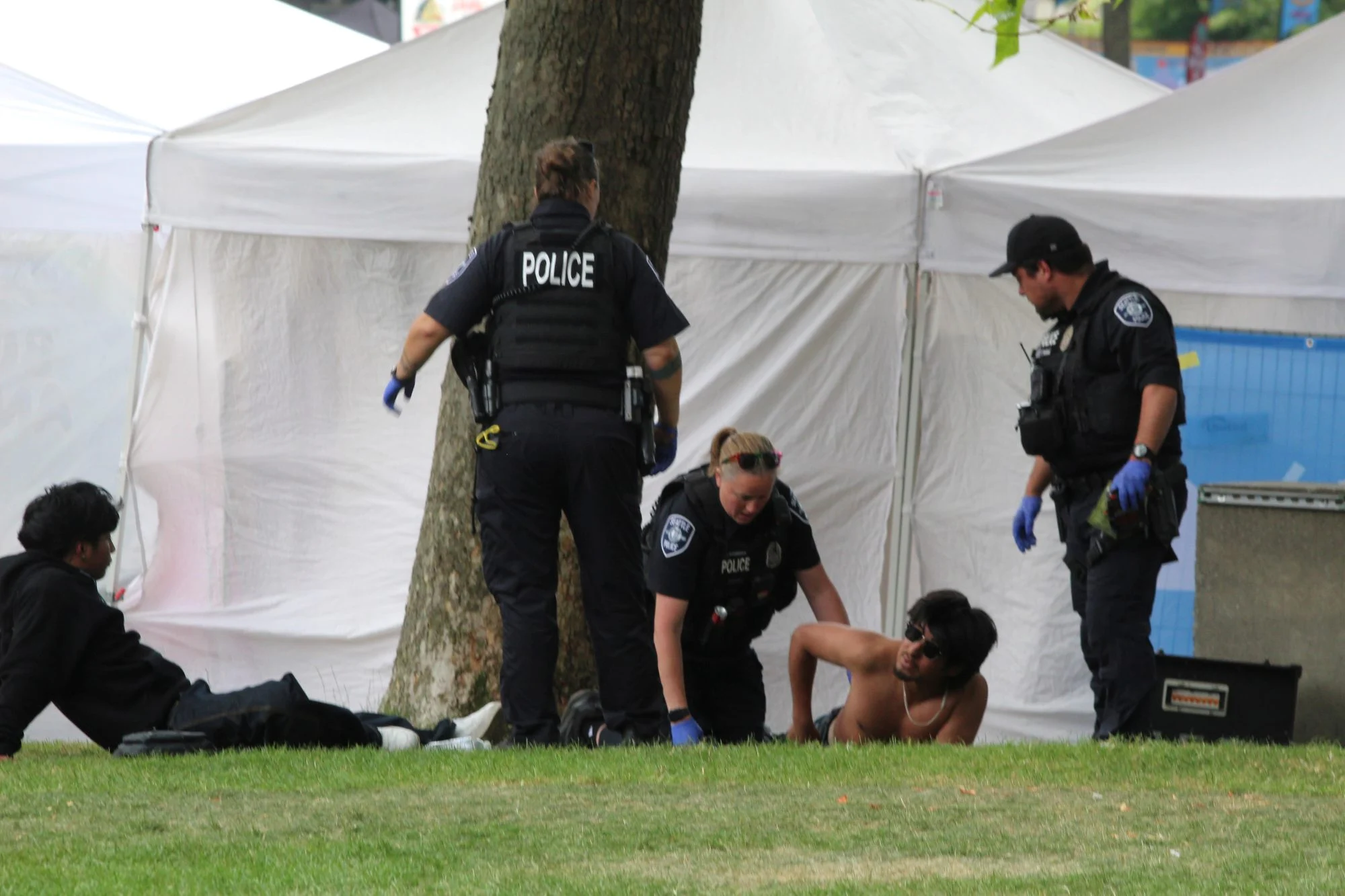
The Seattle Center shooting turned one of the city’s largest summer gatherings into a scene of panic on Sunday evening, leaving two people dead and at least five others wounded — among them a two-year-old boy.
Gunfire broke out around 6 p.m. across the 74-acre campus, where thousands had come for the Bite of Seattle food festival. Witnesses described crowds scattering in every direction, people diving for cover behind stages and buildings, and food lines dissolving into a stampede within seconds.
What Officials Have Confirmed
Mayor Katie Wilson said in a Sunday night statement that one person had been taken into custody. An earlier statement had indicated two people were detained.
Police did not clarify whether anyone connected to the shooting remained at large, and no motive was disclosed. Officers urged the public on social media to stay away from the area while the scene was secured.
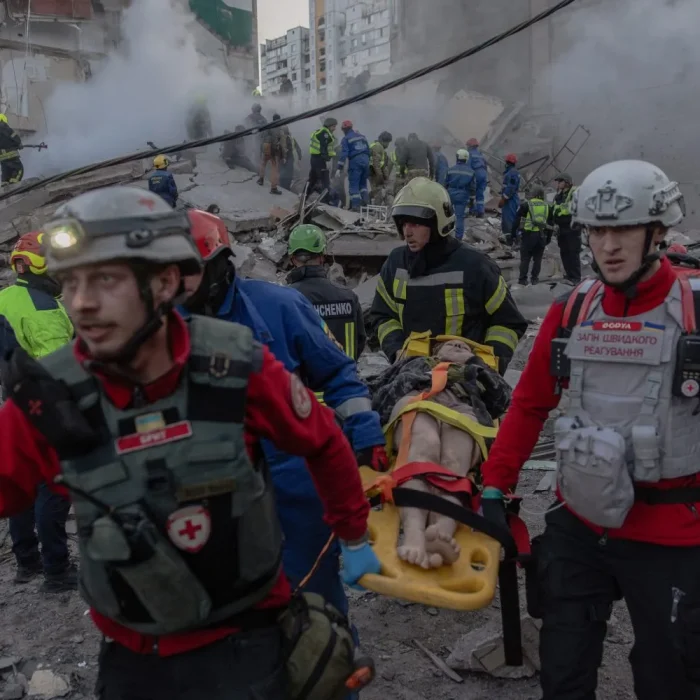
The Seattle Fire Department reported that aid crews treated five people at the scene beyond the two who died. Those taken to the hospital included the two-year-old boy, a 23-year-old man, a 39-year-old woman and a 56-year-old woman. A 40-year-old woman sustained minor injuries.
Harborview Medical Center confirmed that all four patients who arrived there had gunshot wounds. A spokesperson said the 56-year-old woman went into surgery in critical condition, while the others were listed as satisfactory.
Seconds of Confusion, Then Running
A Seattle Times reporter standing on the south side of Climate Pledge Arena described hearing several loud pops followed by what sounded like very rapid gunfire.
Estan Wakonabo, 25, was at the festival with his girlfriend. The crowd was already so tight that moving between food lines was difficult, and when the shots came, people began trampling one another. The couple stayed where they were rather than joining the surge. He described the moment as pure chaos. Returning later, he saw victims on the ground, including a body covered by a yellow sheet.
A live video stream from a food vendor appeared to capture the first shots, along with voices shouting warnings and telling people to get down as the crowd broke into a run.
Kayla Carris, 22, was seated outside the Seattle Center Armory when screaming started and people rushed to get inside. She said everyone was throwing things and running.
Paul Skinner, 47, had just come back with drinks for his staff at his Filipino food booth. The sound registered as loud fireworks at first, he said. Then the atmosphere shifted, crowds came flooding back toward him, and he told his workers to get down.
Todd Behrends, 59, counted several rounds. He watched people leaping over one another to escape and saw a woman fall and get stepped on. As he moved toward an exit, he passed a woman on the ground and a man being loaded onto a stretcher.
Lockdowns Across the Campus
The response reached well beyond the immediate scene.
Abdul Mohammed was watching a film at the Pacific Science Center IMAX theater when the screening stopped without explanation. Audience members were instructed to raise their hands and walk out slowly. He described ten to fifteen officers entering with weapons drawn. A theater spokesperson said the venue was clearing patrons and closing for the remainder of the day.
Chase Hutchinson, a freelance film and culture writer, was outside the SIFF Film Center when the shots rang out. He said he recognized the sound immediately, though others took a moment — a surreal pause before the running began. He helped a child who had fallen and dropped his bag. Based on the volume, he judged the gunfire to be extremely close to the film center, near the northeast corner of Climate Pledge Arena beside the International Fountain.
Harborview, the region’s highest-level trauma center, went into partial lockdown for several hours, with police vehicles lining nearby sidewalks. Spokesperson Susan Gregg said the measure was precautionary, taken while the number of shooters remained unclear. Family members of victims were still admitted, escorted in by security.
A Toddler Among the Injured
Michael Girardi was standing near the music stage by Fisher Pavilion when he heard two rounds. He took cover behind the stage with others.
He saw paramedics treating the wounded toddler, who appeared conscious and was not crying. The child’s mother, he said, was in anguish.
Girardi was struck by how quickly it ended, and by what followed. Some people wandered back into the area afterward. A few remained in line waiting for their food.
That detail says something about how these events actually unfold — not as a sustained siege, but as a burst of violence lasting seconds, followed by a strange and uneven return to normalcy among people who never fully understood what had happened.
An Event With a Long History
Bite of Seattle has run at Seattle Center for decades and ranks among the campus’s busiest annual draws. Last year’s edition attracted 282,000 people, according to Seattle Center’s impact report, with hundreds of food and retail vendors and live music across multiple stages.
The scale is part of what made Sunday so dangerous. Dense crowds in confined walkways limit escape routes and turn any panic into a crush risk independent of the original threat.
Violence at festivals on the campus is not unprecedented. In July 1998, a riot involving roughly 1,000 people at Bite of Seattle injured two police officers and led to three arrests. In 2006, a 16-year-old boy was taken to Harborview after reportedly being shot near Seattle Center around closing time for the festival.
What Comes Next
Investigators will now work through a scene involving thousands of potential witnesses, extensive vendor and venue camera coverage, and a large volume of phone footage captured by attendees.
Key questions remain unanswered: how many people fired, whether the victims were targeted or struck at random, and what preceded the first shot. Police have not released the identities of those killed pending notification of families.
For a city that treats this festival as a fixture of summer, the immediate aftermath involves both a criminal investigation and a harder conversation about securing open public gatherings without turning them into checkpoints.
Anyone struggling in the wake of the event can reach out to crisis counseling services; support is available for witnesses as well as those directly affected.
Author
-
Lucienne Albrecht is Luxe Chronicle’s wealth and lifestyle editor, celebrated for her elegant perspective on finance, legacy, and global luxury culture. With a flair for blending sophistication with insight, she brings a distinctly feminine voice to the world of high society and wealth.