US Russia Sanctions Bill Sparks Concern In India Over Trade And Energy Ties
The US Russia Sanctions Bill has set off alarm bells in New Delhi, with the Indian government making it clear that it will do whatever it takes to shield its trade and economic interests. The legislation, formally called the Sanctioning Russia and Iran Act of 2026, is now on its way to the US president’s desk after clearing both chambers of Congress, and it carries the potential to shake up India’s energy strategy in a big way.
India’s Response To The US Russia Sanctions Bill
India’s Foreign Ministry didn’t hold back when addressing the risks tied to this new US Russia Sanctions Bill. Officials pointed out that the legislation doesn’t just take aim at Russian leadership, it also goes after the so-called shadow fleet of tankers that have helped Moscow dodge existing oil sanctions.
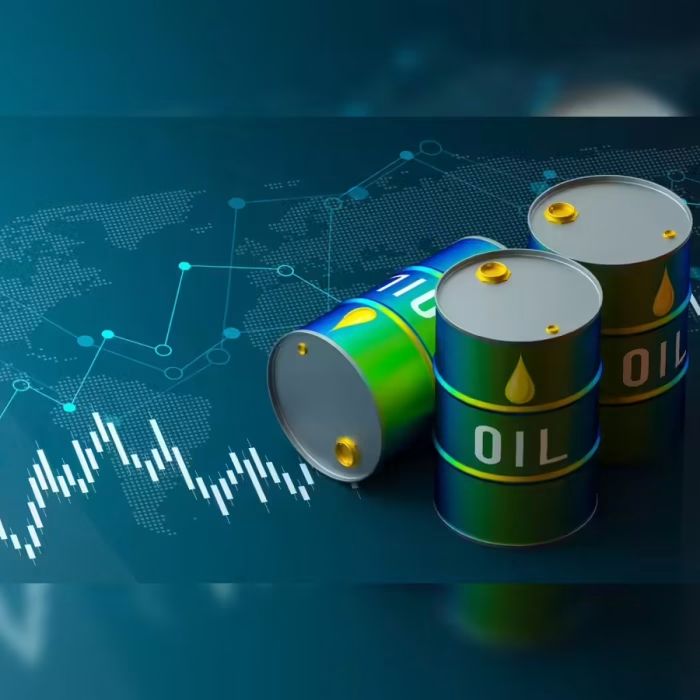
Here’s the tricky part for India: it happens to be Russia’s largest buyer of seaborne crude oil right now. And this new law hands the US president sweeping authority to slap unprecedented tariffs as a penalty for that. That said, Indian refiners haven’t been sitting idle. They’ve already started reaching out to suppliers in the US, Brazil, Canada, Venezuela, and various African nations to spread out their oil sourcing and reduce over-reliance on any single country.
What Exactly Did India’s Foreign Ministry Say
According to the ministry, New Delhi has taken note of the bill’s passage through the US Congress and is keeping a close eye on how things unfold from here.
The official statement emphasized that India’s top priority remains keeping energy flowing to its massive population of 1.4 billion people. The country plans to keep diversifying where it buys oil from, adjusting based on how global markets shift over time.
Interestingly, this isn’t a new topic between the two nations. The ministry revealed that India’s oil dealings with Russia have already come up repeatedly in high-level talks with American officials in recent months. India has been upfront about how this could ripple beyond just the two countries’ relationship, potentially affecting the broader global energy market too.
New Delhi also made a firm point: it’s prepared to take whatever steps are necessary to protect its own economic and trade interests. The government has committed to teaming up with Indian trade associations and industry groups to figure out how best to navigate whatever comes next.
Breaking Down The Sanctioning Russia and Iran Act of 2026
This bill, championed by Senator Lindsey Graham, didn’t move quickly through Congress by accident. After clearing the Senate last month, the House gave it the green light with a 262-159 vote. The next stop is the president’s desk for a signature that would make it official law.
At its core, the bill is designed to choke off the money flowing into Russia’s ongoing conflict with Ukraine. It’s built to hit Russian banks, government officials, and energy companies, along with any foreign entities seen as propping up Moscow’s military campaign.
One of the most eye-catching provisions gives the US president the power to impose tariffs as steep as 100 percent on countries like China and India if they continue depending heavily on Russian oil and gas.
Digging deeper, the House Ways and Means Committee laid out even harsher numbers. Goods coming directly from Russia could face tariffs up to a staggering 500 percent. Meanwhile, nations that fall under the bill’s oil and gas purchasing rules could see duties as high as 100 percent on their exports to the US.
Who exactly gets caught in this net? The rules specifically target countries that are major buyers of Russian energy or that play a significant role in helping Russia dodge sanctions. And it doesn’t stop there, the US Trade Representative has the authority to review the list and potentially add more countries every 180 days.
What This Means Going Forward
Right now, there’s still a lot of uncertainty hanging over exactly how this will play out for Indian exporters. The real consequences won’t be clear until Washington actually announces specific tariff percentages, which products get covered, and a timeline for rolling everything out.
For India, the coming months will likely involve a delicate balancing act, managing its long-standing energy relationship with Russia while also protecting its trade ties with the US and working to insulate its economy from any fallout. How Indian refiners and policymakers respond in this window could shape the country’s energy and trade strategy for years to come.
Author