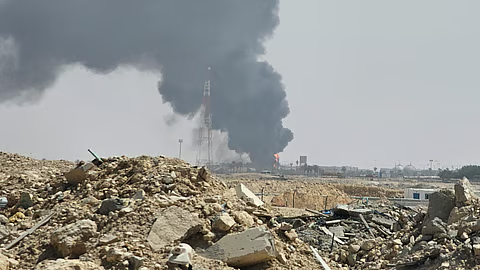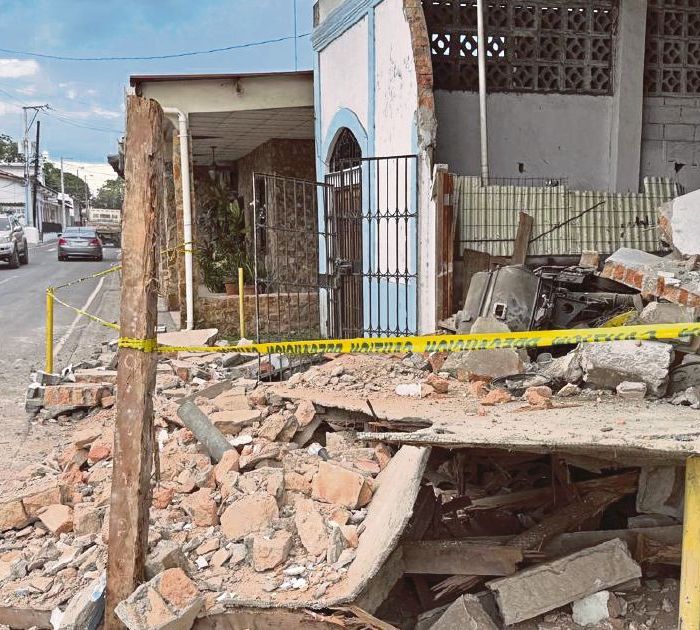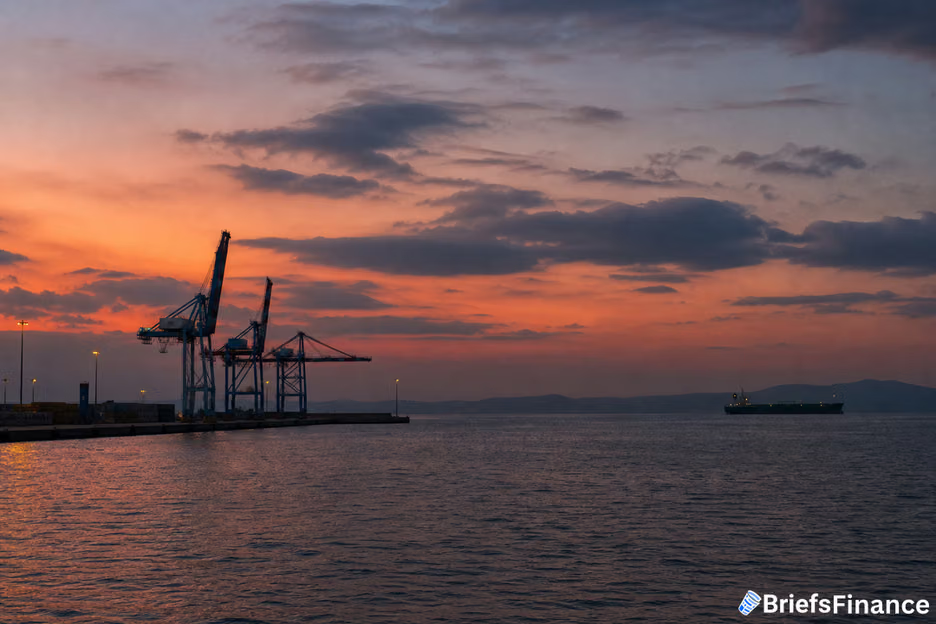
Iran oil exports have fallen close to zero under the American maritime blockade, according to the energy analytics firm Kpler — and the timing could hardly be worse for Tehran, as Washington simultaneously opens a second front against the banking networks that handle its money.
The situation has flipped almost completely from where it stood when the conflict began.
A Complete Reversal
Homayoun Falakshahi, senior oil analyst at Kpler, described the change in stark terms.
At the start of the war, Iran could still move its oil while its Persian Gulf neighbors could not. That arrangement has now inverted entirely. Iran cannot export new crude, while everyone else has largely resumed.
Crude and condensate shipments from other Gulf producers have climbed back to roughly 70 percent of their pre-war volumes.
Goldman Sachs reported Friday that traffic through the Strait of Hormuz has recovered to about two-thirds of pre-conflict levels, according to Bloomberg — a rebound that has helped keep global crude prices from spiraling further.
The practical effect is that the waterway is functioning again for the region, just not for Iran.
Why the Revenue Hit Is Delayed
The collapse in exports does not translate immediately into a collapse in income, and understanding why matters for judging how much pressure Tehran actually faces right now.
Millions of barrels loaded before restrictions tightened are already beyond the blockade zone, floating in Asian waters and still sellable.
Kpler estimates between 40 and 50 million barrels of Iranian oil remain on the water in Asia. That figure represents a substantial downward revision from an earlier estimate of around 80 million barrels.
Falakshahi attributed the change to discharge rates in China running higher than previously understood — now approaching one million barrels per day.
At that pace, the remaining floating inventory would take roughly 50 days to unload. Chinese buyers typically have another one to two months after that to pay Iranian sellers, which stretches the gap between the halt in new exports and the actual disappearance of revenue.
If the blockade holds, Falakshahi estimated Iranian oil export revenues could fall effectively to zero within three to four months.
China Is the Whole Equation
Any assessment of Iranian oil comes down to one customer.
Falakshahi said China purchases essentially all of Iran’s crude and condensate exports. Including refined products and petrochemicals, he put China’s share of total Iranian petroleum exports at somewhere between 90 and 95 percent.
That concentration is a vulnerability as much as a lifeline. A single buyer relationship means a single point of failure — and it explains why American attention is increasingly directed at Chinese financial institutions rather than Iranian ones.
The Second Front: Banking
While the blockade restricts Iran’s ability to ship oil, Washington has begun targeting the machinery Tehran uses to collect payment.
On Friday, the Treasury Department’s Financial Crimes Enforcement Network proposed invoking Section 311 of the USA Patriot Act to sever Banque Misr’s UAE branches from American correspondent banking. It marks the first such action under a campaign designated Operation Economic Outcast.
Treasury stated that those branches processed approximately $1.8 billion between January 2024 and June 2026 on behalf of 103 companies with potential links to Iranian shadow-banking networks.
The customer list, according to Treasury, included apparent front companies serving Iran’s Ministry of Defense and the Revolutionary Guards for sanctions evasion, along with entities laundering money for Supreme Leader Mojtaba Khamenei.
Why Section 311 Matters
Max Meizlish, formerly with Treasury’s Office of Foreign Assets Control, explained what makes this approach different.
The significance, he said, lies in Washington finally aiming at the foreign banks that make Iranian evasion networks functional — rather than concentrating on Iranian entities and shell companies themselves.
Section 311 operates as a threat mechanism rather than an immediate seizure. It allows Treasury to endanger a foreign bank’s access to the US financial system without freezing assets outright, giving the institution and its regulators a window to address the conduct before restrictions take hold.
That structure often produces compliance without enforcement, since losing dollar clearing access is existential for most international banks.
The Real Test Is Still Ahead
Meizlish framed the Banque Misr action as an opening move rather than a conclusion.
The question, he said, is whether this develops into a sustained campaign, and whether Treasury will apply equivalent pressure to Iran’s financial enablers in Hong Kong and China.
Given China’s overwhelming share of Iranian oil trade, that is where the campaign either succeeds or stalls.
He identified China’s Bank of Kunlun as a candidate for further action. The institution has faced American restrictions previously over Iran-related dealings, but Meizlish argued Washington could escalate to full blocking sanctions.
Treasury Secretary Scott Bessent had already signaled that a significant action against a financial institution was coming under Operation Economic Outcast. Friday’s move appears to be the first delivery on that warning.
Two Squeezes at Once
The combined picture leaves Tehran in a narrowing position.
Global markets are stabilizing as Gulf exports recover, which reduces the leverage Iran might otherwise gain from disruption. Its floating inventory is draining. Fresh exports are blocked. And the payment channels for oil that did get out are coming under direct attack.
The blockade prevents Iran from selling its next barrel. Operation Economic Outcast is designed to prevent it from collecting on the last ones.
Author