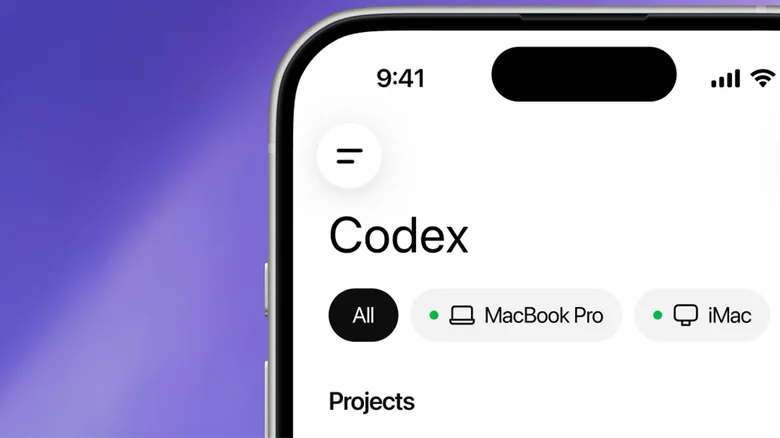
Codex Mobile App Brings AI-Powered Coding to Smartphones for the First Time
The Codex Mobile App is here, and it could change the way developers work forever. OpenAI announced that its powerful AI coding tool, Codex, has officially been integrated into the ChatGPT mobile app. This means developers can now monitor, manage, and even direct their coding workflows from their phones, whether they’re on the bus, in a meeting, or sitting on the couch.
The new functionality marks one of the biggest shifts yet in how AI coding tools are evolving. What used to require sitting at a computer can now be handled with a few taps on a mobile screen. With the update rolling out in preview to all ChatGPT plans on both iOS and Android, OpenAI is making it clear that mobile is the next major battleground in the AI developer tools race.
Why This Mobile Update Matters
For most developers, coding has traditionally been tied to a desktop or laptop setup. Writing code on the go has always been clunky at best. But with the Codex Mobile App, that picture changes significantly. Developers no longer need to physically be at their machines to keep their projects moving forward.
OpenAI describes the update as far more than simple remote control of a single task. According to the company, users can now:
- Work across all of their active Codex threads
- Review outputs from any device
- Approve commands directly from their phones
- Change AI models on the fly
- Start brand new tasks while away from a desktop
In short, mobile users now have the same essential controls that they would have in a desktop environment, opening up the possibility of true on-the-go coding management.
What Codex Actually Does
For those unfamiliar with the tool, Codex is OpenAI’s AI-powered coding agent. It was launched roughly a year ago to help developers automate repetitive coding tasks, troubleshoot issues, and accelerate software development overall. Over time, it has evolved into one of the leading AI tools in the developer ecosystem.
In recent months, OpenAI has aggressively expanded what Codex can do. Some major upgrades over the past year include:
- The ability to run autonomously in the background on desktops
- Integration into live browser sessions through a new Chrome extension
- More powerful task management features
- Deeper compatibility with various development environments
The launch of the Codex Mobile App now completes that ecosystem, allowing Codex to follow developers across virtually every type of device they use.
A Direct Response to Anthropic’s Claude Code
OpenAI isn’t moving alone in this space. The mobile push is part of a fierce competition with Anthropic, the maker of Claude Code, another increasingly popular AI coding tool. Just a few months ago, Anthropic released its own remote functionality known as Remote Control, which gave users the ability to monitor and manage Claude Code’s work from afar.
The two companies are now locked in a head-to-head race for dominance in the agentic coding tools market. Both products allow AI to perform meaningful coding tasks with minimal human intervention, and both are racing to make their tools as flexible, mobile, and intuitive as possible.
The competitive landscape includes:
- Anthropic’s Claude Code, which has gained strong traction in business and enterprise settings
- OpenAI’s Codex, which benefits from deep integration with the popular ChatGPT app
- Specialized startups offering niche AI development workflows
- Enterprise platforms looking to integrate AI agents into their existing tools
For developers, this rivalry is a major win. Faster updates, smarter features, and better cross-device support all mean more choices and more powerful tools.
The Bigger Picture: AI Agents That Travel With You
The growing trend of mobile-first AI tools reflects a much larger shift happening in the tech world. AI agents are no longer just assistants that respond to typed prompts on a desktop. They are evolving into long-running, autonomous partners that can manage tasks, communicate with other tools, and work in the background while users go about their day.
The Codex Mobile App fits perfectly into this vision. Imagine a developer kicking off a major build before leaving the house, reviewing test outputs from their phone during lunch, approving updates from a coffee shop, and dispatching new tasks from the airport. None of this would have been realistic just a few years ago. Now, it’s becoming the new normal.
This evolution also benefits a wide range of users beyond traditional developers, including:
- Startup founders who need to monitor builds while traveling
- Project managers overseeing AI-assisted coding teams
- Hobbyists working on personal projects in their spare time
- Engineers handling on-call duties who need to respond quickly
- Students learning to code while balancing busy schedules
By going mobile, Codex effectively becomes a true productivity companion rather than just a desktop tool.
Concerns and Considerations
Of course, with greater power comes a few concerns. Letting an AI agent autonomously make decisions or run code in the background raises important questions around oversight and safety. Developers need to remain thoughtful about:
- Reviewing AI-generated code before deployment
- Granting appropriate permissions to AI agents
- Monitoring sensitive operations carefully
- Avoiding over-reliance on automated decisions
- Protecting source code and user data during remote sessions
OpenAI has built approval mechanisms into the system, which means users still have control over which actions are executed. But as AI agents become more capable, the responsibility of using them wisely also grows.
What Comes Next
OpenAI’s mobile expansion is unlikely to be the end of the story. As both Codex and Claude Code continue evolving, we’re likely to see even more sophisticated capabilities. Voice-based interaction, deeper integrations with project management tools, and seamless collaboration features could all be coming soon.
Some things to watch in the months ahead include:
- Whether OpenAI rolls out Codex on additional platforms like tablets or smartwatches
- New integrations between Codex and other ChatGPT features
- Updates to Anthropic’s Claude Code that match or exceed mobile capabilities
- Expanded enterprise-focused features for both tools
- Better collaborative AI workflows between multiple developers
The release of the Codex Mobile App is a clear signal that the future of coding is more mobile, more autonomous, and more AI-driven than ever before. For developers, this means greater flexibility, faster workflows, and the ability to keep projects moving even when stepping away from the desk.
In a world where work is increasingly happening everywhere except inside a traditional office, tools like Codex are reshaping what productivity looks like. And with the mobile expansion, that future just got a whole lot more accessible.
Author