Iran Oman Strait of Hormuz Fees: A New Flashpoint in Global Tensions
Iran Oman Strait of Hormuz fees discussions are emerging as one of the most controversial geopolitical developments in recent weeks. Iran has reportedly begun talks with Oman, a long-standing American ally, about jointly creating a system that would charge ships fees for passing through the Strait of Hormuz. The conversations are unfolding despite repeated warnings from the Trump administration, which has firmly opposed the idea of any payment system tied to this critical international waterway.
While it remains unclear whether the discussions will lead to anything concrete, the very fact that they are happening signals that the United States and Iran remain far apart on resolving the war that has shaken the global economy.
A War That Reshaped the Global Economy
The story behind these talks goes back to late February, when American and Israeli forces launched military strikes on Iran. In response, Iran nearly shut down commercial shipping through the Strait of Hormuz, sending shockwaves through the global economy. Energy prices climbed sharply, supply chains buckled, and international shipping operations were thrown into disarray.
Having demonstrated its ability to disrupt global trade, Iranian officials began considering ways to use the strait as a long-term economic and strategic lever. Out of that came the idea of charging vessels for passage, an idea that has set off intense international debate.
Iran’s Newly Created Strait Authority
On Wednesday, Iran’s newly established Persian Gulf Strait Authority announced via social media that it had defined the boundaries of its Strait of Hormuz management area and that vessels passing through would need a permit from the authority. The Gulf of Oman, which lies right next to the strait, must be crossed to reach it from the east, making cooperation with Oman a strategically important piece of the puzzle.
Iran’s strategy appears to focus on positioning the proposed system as a service-based fee structure rather than a transit toll. This is a deliberate distinction with serious legal implications.
Trump and Rubio Push Back Firmly
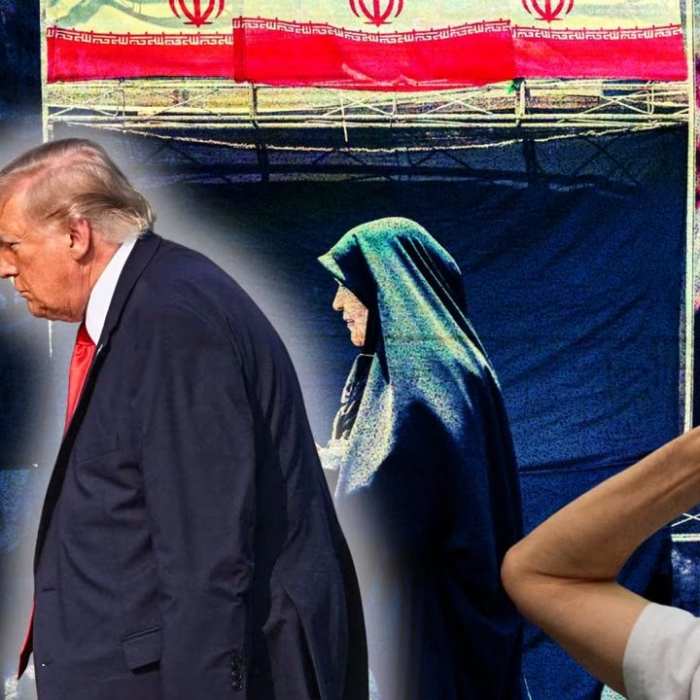
President Donald Trump has reacted strongly to the idea of Iran imposing payments. Speaking from the Oval Office on Thursday, Trump said simply, “We want it free. We don’t want tolls. It’s international. It’s an international waterway.”
Earlier this year, Trump had also floated the controversial idea that the United States itself might charge ships passing through the strait as the self-declared victor of the war, even suggesting that revenue could be shared. He has since dismissed any version of a payment system.
Secretary of State Marco Rubio echoed the message, saying that such a fee system would be unacceptable and would make any diplomatic deal with Iran unworkable.
Iran’s Reasoning Behind the Fees
Despite reaching a fragile cease-fire with the United States, Iran has continued pursuing some form of revenue from the strait, which carries about one-fifth of the world’s seaborne oil and natural gas.
Iranian officials have floated several types of charges, including:
- Service fees for vessels using the route
- Transit fees framed as administrative requirements
- Environmental charges tied to pollution control
- Specialized service costs covered by maritime infrastructure
Iran’s state-run Press TV recently reported that the country is rolling out a new mechanism to manage traffic through a designated route in the strait, while collecting fees described as “specialized services.”
The Role of Oman
Oman’s involvement is a crucial development. According to two Iranian officials with knowledge of the discussions, Oman initially turned down the idea of partnering with Iran. However, the country has now reconsidered and is exploring a possible revenue-sharing arrangement.
Iranian officials say Oman is now willing to:
- Use its diplomatic influence with Gulf neighbors like Saudi Arabia, the UAE, Bahrain, Kuwait, and Qatar
- Engage in discussions with the United States on the proposed system
- Help legitimize a service-based fee structure
- Take part in any revenue generated through such a system
Oman’s potential involvement reflects how the economic benefits of a fee system might outweigh political risks for some regional players. The talks between Iran and Oman were first reported by Bloomberg News.
Fees vs. Tolls: The Legal Distinction
A key point in this entire conversation is the difference between fees and tolls. While the terms may sound similar, they carry very different legal meanings.
Under the 1982 United Nations Convention on the Law of the Sea:
- Vessels have the right to pass through international straits unimpeded
- Nations cannot charge tolls simply for passage
- Reasonable fees for actual services rendered, such as waste disposal or navigation assistance, are allowed under specific conditions
- Safety and pollution control requirements may apply but cannot block free transit
Iran is not a signatory to the convention and claims it is not bound by it. Oman, however, is a signatory, complicating any joint effort.
Maritime law expert James Kraska, a professor at the U.S. Naval War College and visiting professor at Harvard Law School, explained that even non-signatories like Iran are bound by customary international law, which broadly prohibits payment for passage. He acknowledged that reasonable service-based fees can be legal but warned that Iran would need to prove its proposed charges genuinely correspond to actual services rendered.
In his words, the proposed approach is “almost like the mafia saying you have to pay protection money.”
Why This Matters Globally
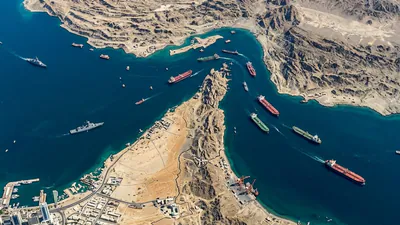
The Strait of Hormuz is one of the most strategically important waterways on the planet. Even small disruptions there can ripple through global energy markets and impact economies far beyond the Middle East.
If Iran’s proposed system becomes a reality, the consequences could be enormous:
- Higher shipping costs for oil and gas carriers
- Increased global energy prices for consumers
- Renewed instability in supply chains
- Pushback from major economies dependent on Middle Eastern energy
- A potential collapse of ongoing diplomatic talks with the U.S.
For countries already grappling with inflation and economic uncertainty, additional pressure on energy markets could be deeply damaging.
What Comes Next
For now, the talks between Iran and Oman are still in early stages. Whether they evolve into a formal partnership, fade away, or trigger renewed conflict with the United States remains to be seen.
But the signals are clear. Iran is not backing down on its desire to monetize the Strait of Hormuz, while the U.S. is just as determined to prevent that from happening. Each side appears unwilling to compromise, casting serious doubts on hopes for a meaningful diplomatic resolution.
Final Thoughts
Iran Oman Strait of Hormuz fees discussions highlight just how fragile the current state of global politics really is. With Iran pushing forward, the U.S. firmly opposing, and Oman now considering a stake, the strait once again stands at the center of a high-stakes international standoff. Whether the world is heading toward a new economic squeeze or another round of tense diplomacy, this issue will remain one of the most closely watched stories shaping the months ahead.
Author