Nepal’s Prime Minister Warns UN That Deadly Floods Are A “Warning To The World” On Climate Change
Nepal climate change UN warning delivered by Prime Minister Balendra Shah this week put fellow world leaders on notice, as he argued that his nation’s recent devastating flood serves as a stark reminder that climate change continues harming people who bear virtually no responsibility for causing the crisis in the first place.
A Direct Challenge To World Leaders
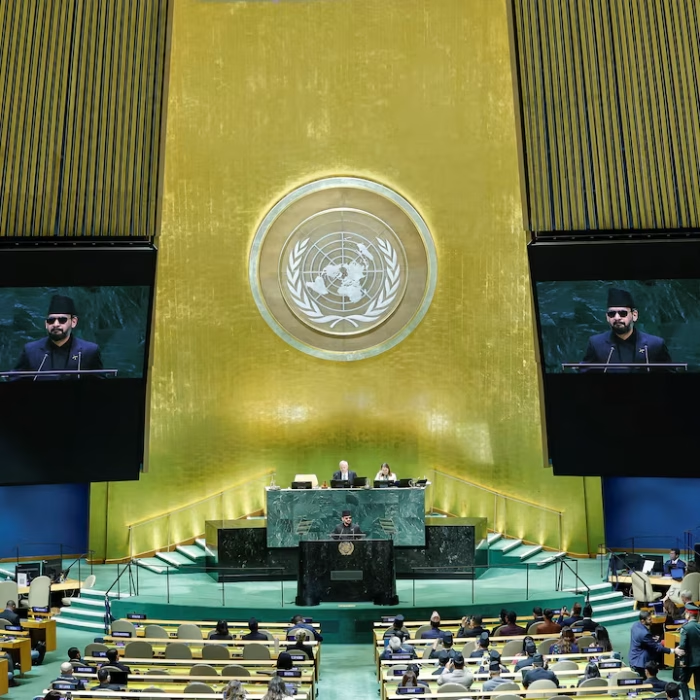
Speaking at the UN General Assembly Thursday night, Shah didn’t hold back in characterizing August’s deadly disaster as something far more significant than a purely local tragedy. He described it instead as a genuine warning to the entire world, directly asking assembled leaders whether they had truly absorbed that warning’s meaning.
Shah referenced a moment nearly three years earlier when the UN secretary-general had stood in the shadow of Mount Everest and warned humanity about the mounting madness of impending climate disaster. He lamented that this cry from what’s often called the rooftop of the world wasn’t adequately heard at the time. While Nepal’s own communities heard that warning, and scientists worldwide heard it too, repeatedly reinforcing it with mounting evidence, Shah argued that political leaders globally have been negligent in translating those warnings into action at the speed and scale that vulnerable populations genuinely require.
The Science Behind Nepal’s Disaster
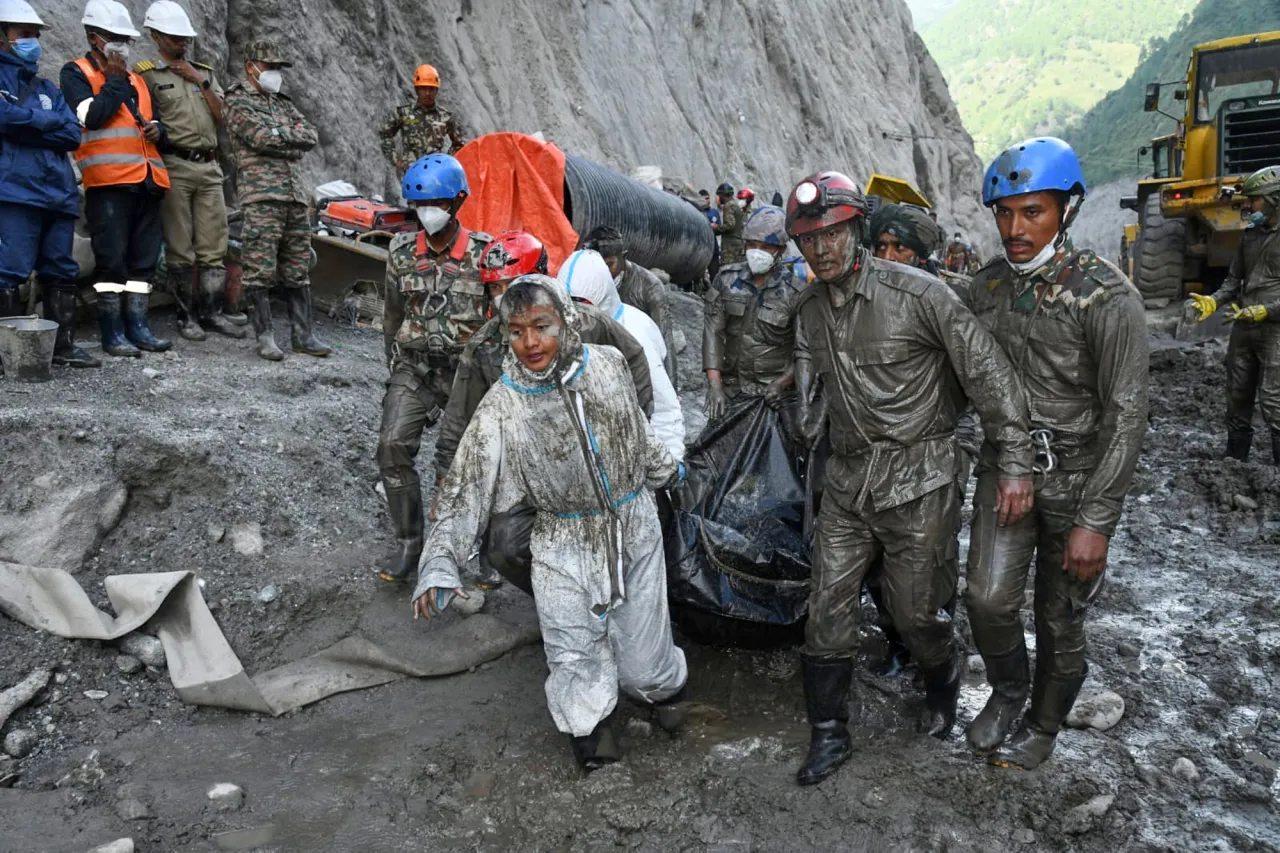
International scientists have established connections between melting permafrost, caused by continued burning of coal, oil, and gas, and the resulting instability of glaciers in the region. This instability led to a partial glacier collapse that triggered a massive flood, a disaster that has already killed at least 1,400 people, with additional victims still unaccounted for.
Shah emphasized that Nepal contributes less than one-tenth of one percent of the heat-trapping gases actually driving climate change globally. Notably, approximately 99 percent of Nepal’s electricity comes from hydropower, a relatively clean energy source, yet many workers found themselves trapped in tunnels when the catastrophic flooding hit.
At 36 years old, Shah, a former rapper and trained engineer, holds the distinction of being the youngest head of government to address this year’s General Assembly. He emphasized that Nepal didn’t create this crisis, yet the country continues paying an enormous price for it, describing how the nation’s glaciers are steadily retreating, mountain slopes becoming increasingly unstable, rivers growing less predictable, with every major disaster threatening to erase years of hard-won development progress.
Wearing a traditional black Dhaka topi, a brimless Nepali hat, along with his signature dark sunglasses worn for medical reasons, Shah argued that the tragic consequences of a warming climate demonstrate clearly that climate change recognizes no borders whatsoever, emphasizing that glaciers and floods don’t require passports or respect international boundaries when they strike.
Voices Supporting Nepal’s Message
Subeksha Khadka, a humanitarian worker and former Miss Nepal International, praised Shah’s address during an online interview, echoing his broader warning to the international community. She emphasized that while Nepal happened to be the target this particular time, the same fate could befall any nation, framing Nepal’s current crisis as a preview of what other vulnerable countries might face in the future, and insisting the time for meaningful action has arrived.
Challenging The International Aid System
While Shah didn’t request a specific dollar amount in international aid, he strongly criticized the current international financial aid system as fundamentally inadequate and excessively bureaucratic. This criticism extended to a loss and damage fund that wealthy nations had previously agreed to establish for poorer countries suffering climate disasters they didn’t cause.
Shah argued forcefully that climate finance shouldn’t become another bureaucratic maze forcing vulnerable countries to spend years navigating complex processes when they desperately need immediate help. He offered a powerful analogy, noting that when a house is burning, nobody asks the affected family to complete fifty separate forms before receiving assistance, arguing that genuine climate justice requires immediate action rather than administrative delay.
Beyond traditional international relief concepts like recovery, rehabilitation, and reconstruction, Shah urged the General Assembly to embrace additional principles: responsibility, reparation, and resilience. The concept of reparation in particular remains a contentious issue for industrialized Western nations, including the United States, which historically ranks as the world’s largest carbon emitter by a substantial margin.
The Stark Emissions Gap
According to the Global Carbon Project, a group of scientists specifically tracking greenhouse gas emissions by country, the United States has emitted approximately 1,500 times more carbon into the atmosphere than Nepal has over the past 75 years. These historical emissions carry particular significance because carbon dioxide remains in the atmosphere for more than a century, continuing to trap heat long after it’s initially released.
This week, the United States announced 31 million dollars in additional aid for Nepal’s flood recovery efforts, bringing America’s total financial assistance to 36 million dollars total, an amount representing less than 1 percent of what Nepal actually needs to recover.
The Scale Of Nepal’s Losses
Shisir Khanal, Nepal’s foreign minister, provided additional context during Wednesday’s UN climate summit, explaining that preliminary assessments indicate Nepal has suffered losses exceeding 5 billion dollars from this single disaster alone, representing nearly 15 percent of the country’s entire GDP and a full third of its annual budget.
Khanal characterized the catastrophe as extending far beyond a purely humanitarian emergency, describing it instead as a development emergency actively dismantling years of accumulated progress. He framed it additionally as a justice crisis exposing fundamental inequities within global climate action, and ultimately as an existential crisis striking directly at the survival of Nepali communities and their collective future. He warned that what happened in Nepal shouldn’t be viewed as an isolated disaster, but rather as a preview of challenges awaiting many other vulnerable nations worldwide.
A Broader Warning For Global Water Security
Former US Vice President Al Gore offered his own assessment in a separate interview, suggesting that Nepal’s disaster demonstrates how the broader climate crisis has been intensifying much faster than people can effectively manage or respond to. He warned that this disaster foreshadows serious problems with melting glaciers that feed all of Asia’s great river systems, potentially putting the water supply for approximately 2 billion people at risk in the years ahead.
Author