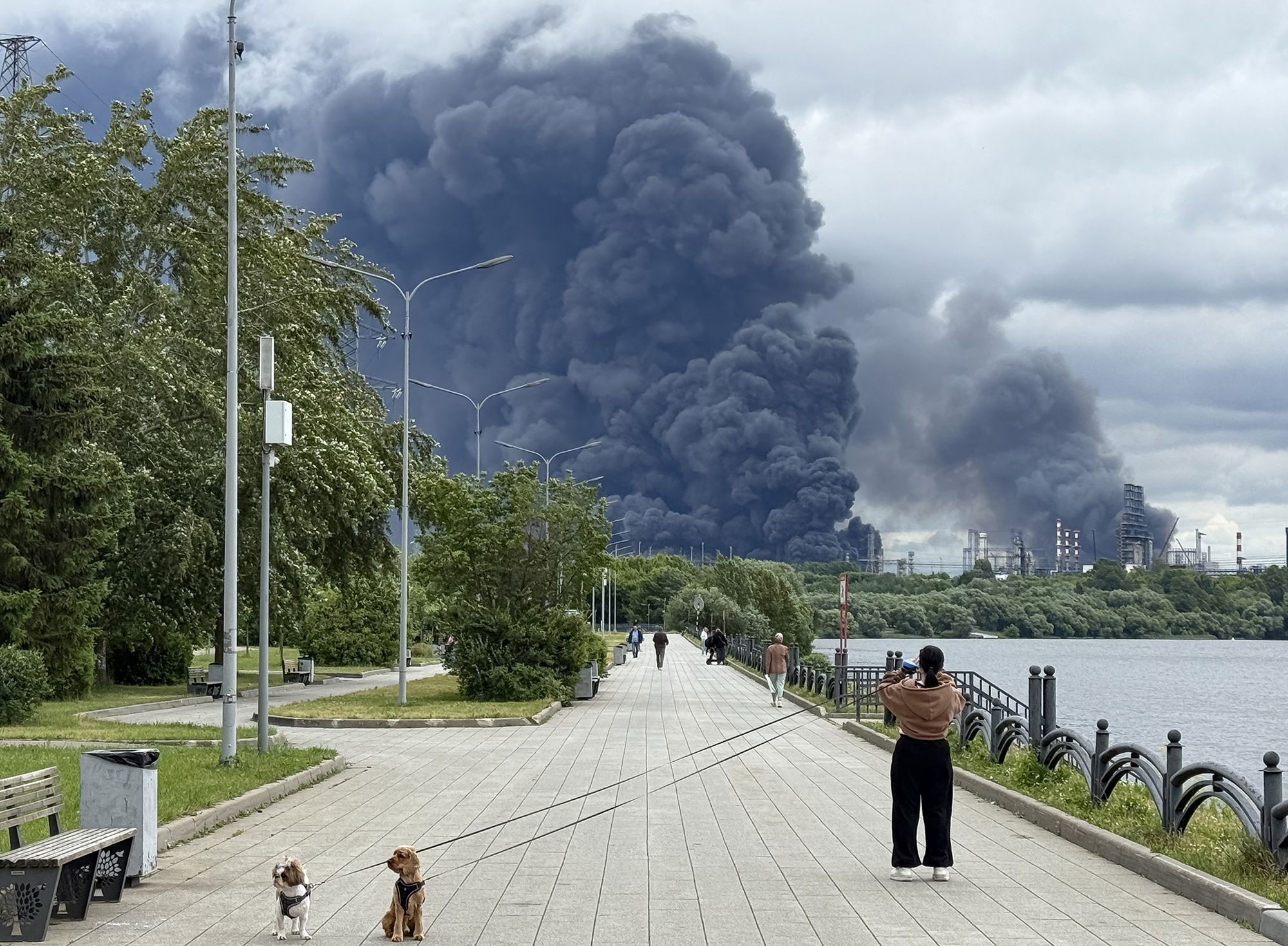
On the streets of Moscow, frustrated drivers sit patiently in long lines of cars and trucks, waiting for gasoline amid a severe national shortage. Many describe spending entire days circling the city in search of fuel, a stunning scene in the capital of one of the world’s largest energy producers and one long shielded from the realities of the war in Ukraine.
A War That Can No Longer Be Ignored
For the first time in a conflict now entering its fifth year, the harsh truth of what the Kremlin still calls a special military operation has become impossible for ordinary Russians to comfortably overlook. The fuel lines are a visible, daily reminder that the war has finally reached home.
Over the past month, Ukraine’s drone campaign has reached an unprecedented scale and impact. On a single night last week, Russia reported intercepting 660 drones across 12 regions, one of the largest Ukrainian attacks since the full-scale invasion began in 2022.
A Campaign Built to Bleed the War Economy
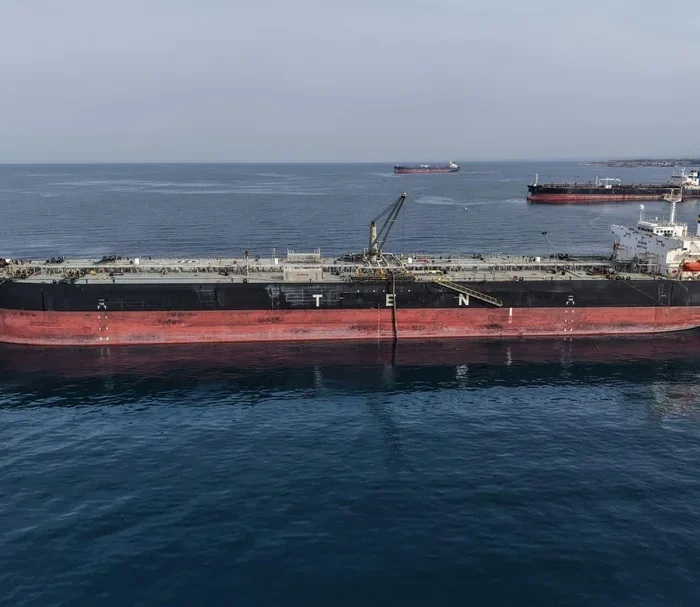
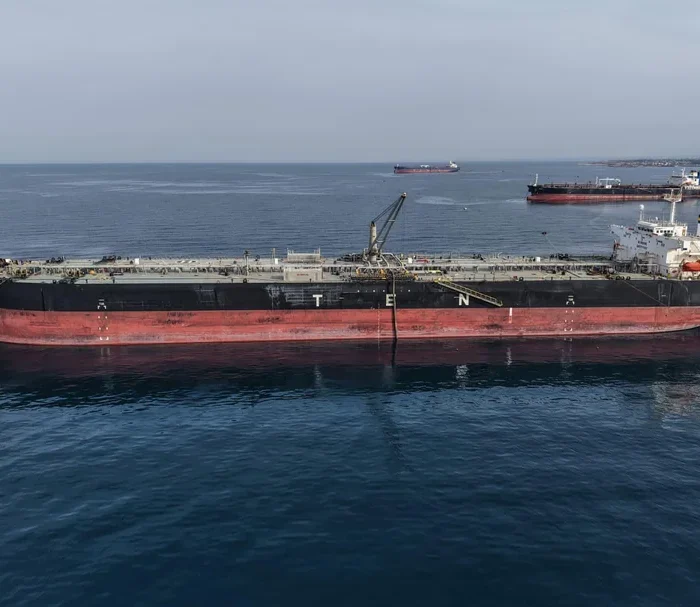
The targets are anything but random. Ukraine has carefully selected refineries, oil terminals, naval vessels, and weapons plants deep inside Russian territory. The strategy is deliberate: to bleed the Russian war economy and raise the economic and political costs of continuing the war.
By every available indication, it is working. Independent Russian media outlets have documented growing lines of vehicles at fuel stations as shortages take hold, scenes authorities would clearly prefer to keep hidden. In Crimea, annexed from Ukraine in 2014, fuel sales were suspended entirely as the peninsula was placed under a state of emergency.
The Kremlin Feels the Pressure
Even for a government practiced at downplaying painful setbacks, the situation has grown too severe to dismiss. President Vladimir Putin chaired an emergency meeting over the weekend and acknowledged that national gasoline reserves had been drawn down to uncomfortable levels.
Speaking to senior officials, Putin admitted that problems for drivers and businesses persisted, conceding the existence of queues at gas stations after weeks of official denials. Other signs of strain followed. Putin revealed that a complete ban on diesel exports was under consideration, contradicting his own deputy prime minister, who had told reporters no such ban was necessary. He also confirmed that a dedicated task force was now working on the fuel crisis.
In a striking shift in tone, Putin warned that agriculture was at risk and said Russia must reduce to a minimum the impact of what he termed terrorist attacks on civilian targets and infrastructure, a notably careful reversal for a leader who had long dismissed Ukrainian drone strikes as irrelevant.
A Strategy Turned on Its Head
There is no small irony in the current moment. For years, the systematic destruction of Ukraine’s energy infrastructure, including power stations, substations, and heating plants, was one of Russia’s most deliberate wartime strategies, intended to break civilian morale by making everyday life unbearable.
Now Ukraine appears to have reversed that logic, and Russians themselves are beginning to feel the sharp edge of the very approach Moscow once wielded against them.
Hope Among Ukraine’s Allies
The shift has fueled optimism among Moscow’s Western critics. At the Group of Seven summit in France earlier this month, European Commission President Ursula von der Leyen was emphatic, declaring that the tide was turning for Ukraine. She argued that the situation in 2026 looked very different from 2025, that Russia’s fatigue was openly showing, and that the moment called for doubling down on support.
Western officials say Ukraine’s campaign has choked off Russian fuel supplies and military deliveries, stalling Moscow’s battlefield efforts. A recent report from the Council on Foreign Relations noted that scaling up drone operations contributed directly to Ukraine retaking 78 square miles of territory in February, reversing a pattern of Russian gains that had defined much of 2025.
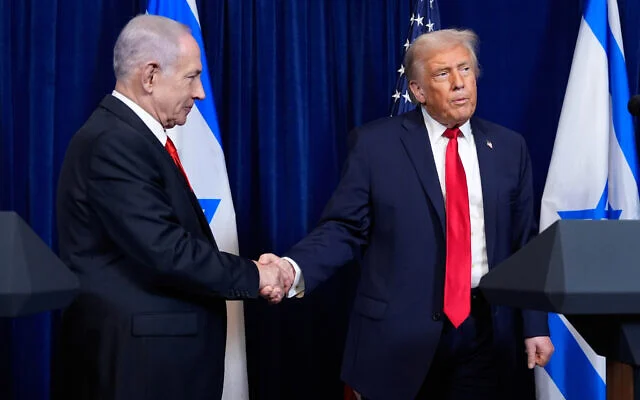
Even the tone of U.S. President Donald Trump appears to have softened. At the G7 summit, he told reporters that Russia should make a deal. Days later, speaking from the Oval Office in Washington, he called Ukrainian President Volodymyr Zelensky courageous and said he was doing pretty well in the war, markedly warmer language from a president who spent much of the previous year pressuring Kyiv to negotiate from weakness.
Zelensky has been clear about what he believes the drone campaign can accomplish. With the right support, he said, Ukraine can quickly create conditions in which Russia will be forced to choose peace.
Why Putin Is Unlikely to Yield
Yet it may be a mistake to assume that Russia’s mounting problems will force the Kremlin to back down, at least not soon. Over the decades, Putin has cultivated a brittle image as an uncompromising leader, a persona that makes capitulation, retreat, or even compromise in Ukraine exceedingly difficult for him to attempt.
With well over a million dead and injured in the invasion, according to the best Western estimates, and sovereignty claims staked on four Ukrainian regions he does not fully control, any settlement that cannot be framed in Moscow as a decisive victory risks igniting serious internal political tensions.
The hawks surrounding Putin continue to insist that the entire Donbas region can and should be taken, an argument that does not vanish simply because Russian refineries are ablaze.
A Real Crisis, But Not Surrender
The fuel shortage gripping Russia is painfully real, and it marks a genuine turning point in how the war is felt at home. But it would be a mistake to read it as a white flag. For all the pressure now bearing down on the Kremlin, the forces driving Putin’s resolve, his political image, his territorial ambitions, and the hardliners in his orbit, remain firmly in place. Russia may be burning, but the path to peace still runs through a leader who has built his entire reputation on refusing to blink.
Author